













A Model 3 Plaid Is Possible. Tesla's Priorities Say It Is Not Coming.
Lars Moravy says a tri-motor Model 3 lives in his head rent free. The product roadmap, the margin pressure, and the robotaxi pivot say otherwise.
Yair Knijn
Founder & editor-in-chief
- tesla
- model 3
- product strategy
- robotaxi
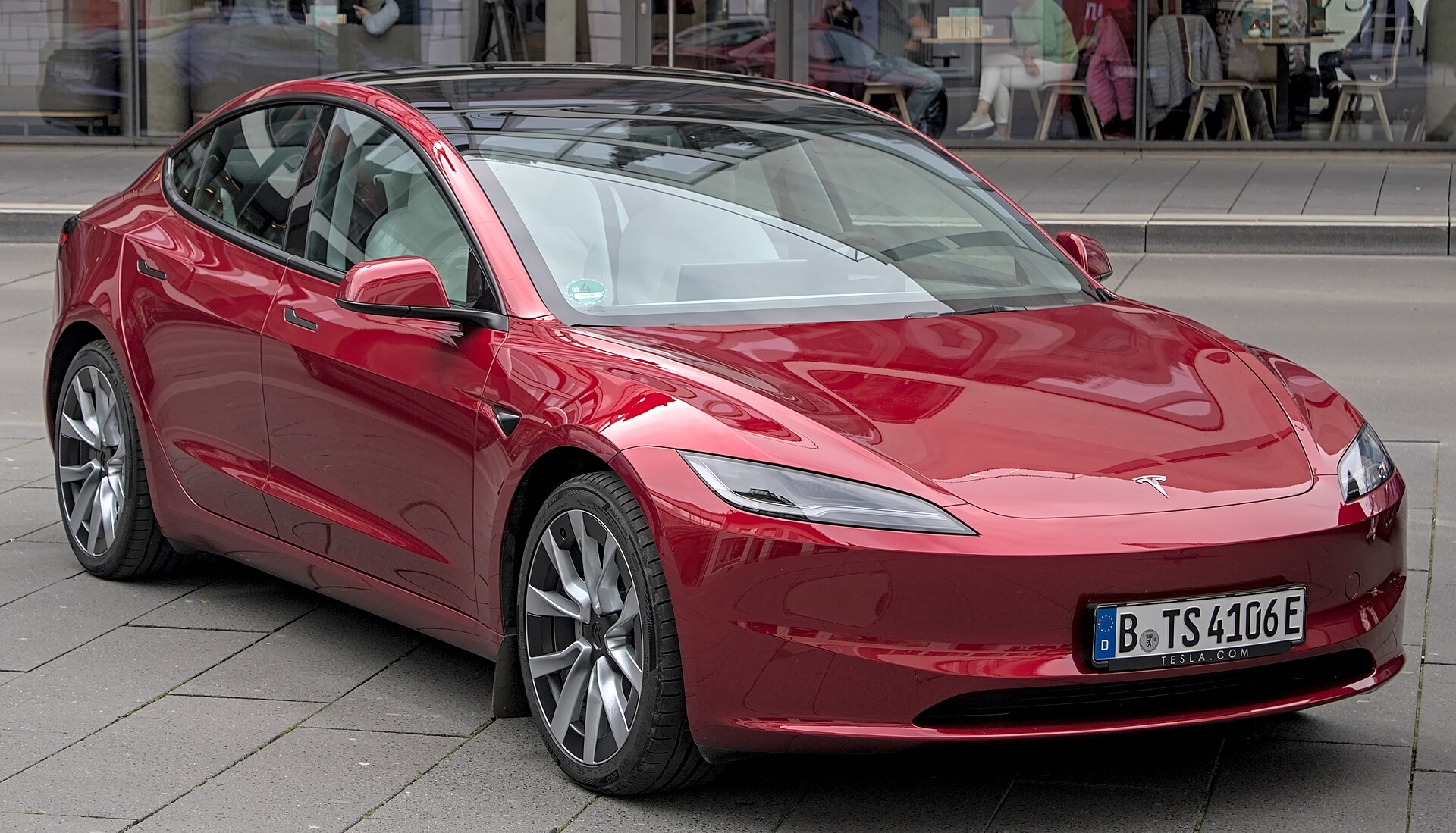
Tesla's head of vehicle engineering, Lars Moravy, told a podcast that a tri-motor Model 3 is something he thinks about constantly. He also said the company is not building one. Both parts of that sentence matter, and most of the coverage is keeping only the fun half.
The original quote comes from a Ride the Lightning podcast appearance flagged by InsideEVs, where Moravy described a Model 3 Plaid as technically obvious and strategically unloved. Tesla has the motor, the inverter, and the pack. What it does not have is a reason.
The engineering case is the easy part
A Model 3 Plaid is essentially a packaging exercise. The Model S Plaid already runs three carbon-sleeved motors and posts a 1.99 second 0 to 60 mph figure on Tesla's own spec page. Dropping that powertrain architecture into the smaller, lighter Model 3 platform would produce a car that humiliates almost anything on a public road, including the current dual-motor Model 3 Performance at 2.9 seconds.
Moravy is not bluffing when he says the team has thought about it. Tesla's engineering culture rewards exactly this kind of exercise. The hard part is not the motor count. It is the business case.
Why Tesla keeps not shipping it
The Model 3 refresh, Cybertruck ramp, the affordable model, and the Cybercab are all consuming engineering bandwidth at the same time the company is defending margin. Tesla's Q1 2025 update showed delivery declines year over year, and the response from Austin has been to cut costs and chase volume, not to chase halo variants.
A Model 3 Plaid would sell in low five-figure annual volumes, cannibalize Model S Plaid buyers, require a homologation cycle in every market, and divert validation engineers from programs Elon Musk has publicly committed to. It is the kind of project that wins internal enthusiasm and loses the quarterly priority meeting.
The bigger signal is where Tesla put its stage time. At the October 2024 We, Robot event, the company centered the Cybercab and a robotaxi narrative. A performance Model 3 was not on the slide deck. That is not an accident of scheduling. It is the product strategy.
AutonomyEV's opinion
Moravy's comment is a useful tell, and not the one the fan accounts are reading. When a VP of engineering says publicly that he thinks about a product all the time and the company is not building it, he is describing an organization that has decided what it is, and a performance halo car is not it. Tesla is betting the next decade on autonomy software, the Cybercab, energy storage, and a cheaper vehicle. Spending validation cycles on a 1.9 second Model 3 would be inconsistent with every other signal coming out of the company in the last eighteen months.
If Tesla ships a Model 3 Plaid, it will be because the affordable model slipped again and someone needed a headline. That is the scenario to watch, and it is not a flattering one.

Comments
Closed.
Comments close 30 days after a piece runs. The thread on this one is locked.
Tips and corrections still welcome at tips@autonomy-ev.com.