













A red light, a barrier, and a school bus: the case for layered safety
A level crossing did its job in Buggenhout. The system around it still failed. Child transport deserves more than one line of defense.
Yair Knijn
Founder & editor-in-chief
- safety
- ADAS
- level crossings
- school transport
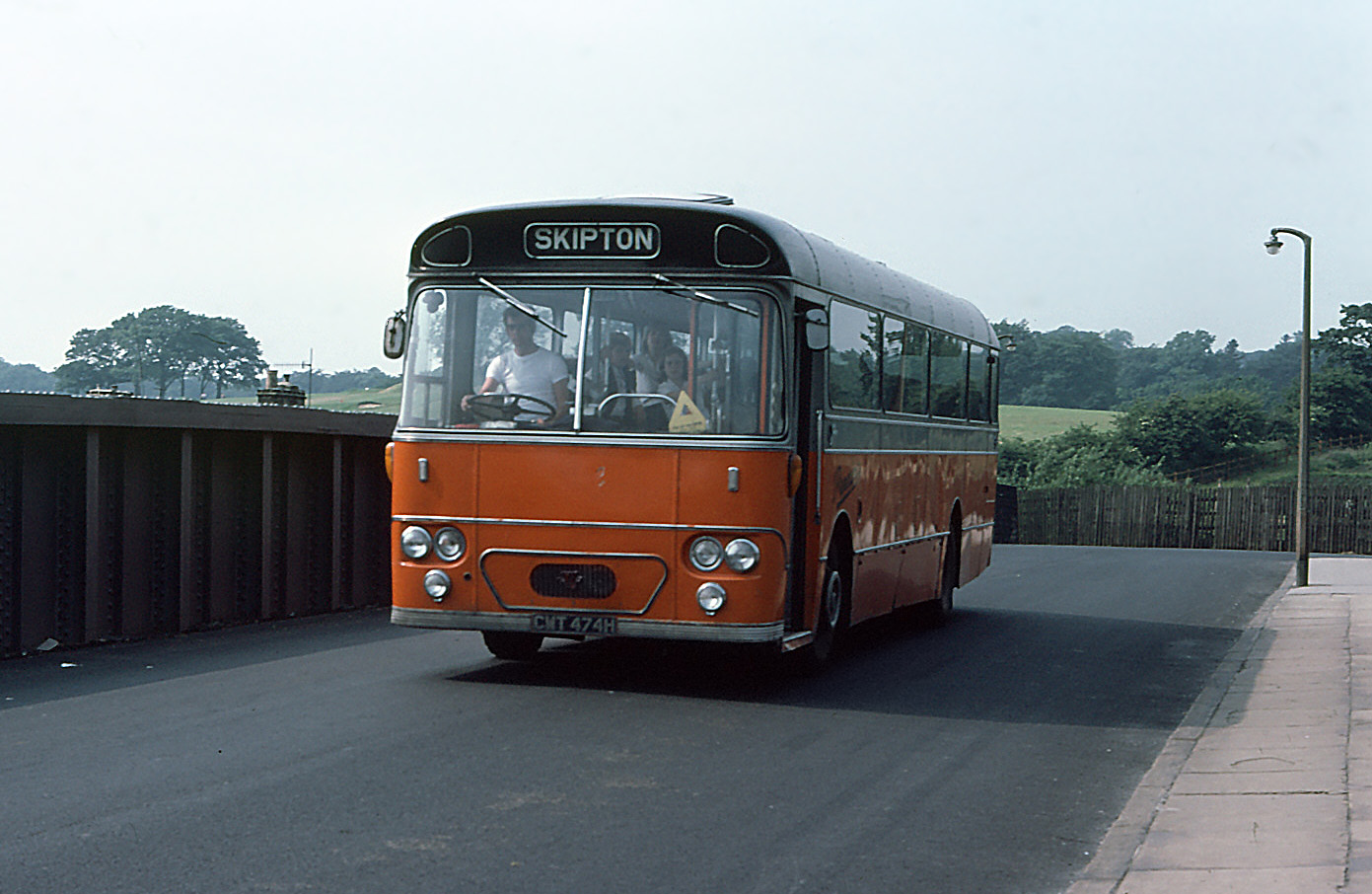
On the morning of 26 May, a train hit a small school bus at a protected level crossing in Buggenhout. According to NOS, citing VRT and Infrabel, the lights were red, the barriers were down, and the train driver pulled the emergency brake but could not stop in time. Seven children from a special-education school, a supervisor, and the driver were in the bus.
We are not going to speculate about what happened inside that vehicle. We do not know. The police and the Belgian prosecutor will work that out. What we can talk about, carefully, is the system that put a single human being in charge of stopping a vehicle full of children at a red signal with no second line of defense.
What the infrastructure already does
The crossing itself appears to have worked. Infrabel's public safety guidance is blunt: road users must stop whenever red lights flash, a bell rings, or barriers are closed or moving. That is genuine engineering and clear instruction. It is also the end of the chain on the road side. Once the warning is given, everything depends on the driver reading it, believing it, and acting on it.
That is a heavy load to put on one person at 08:15 on a weekday. It is heavier still when the cargo is children who cannot evacuate themselves.
What vehicles can already add today
The EU General Safety Regulation already requires new vehicles in the bloc to ship with intelligent speed assistance, advanced emergency braking, driver drowsiness and attention warning, and event data recorders, among other systems. These are mature technologies. They sit in passenger cars sold to private buyers every day. The regulation applies to buses and coaches as well.
A dedicated school transport vehicle could go further without inventing anything new. Forward radar and camera fusion can read the red flashers and descending arms of a protected crossing as a hard stop, the same way production cars read traffic lights today. Geofenced route plans can flag every level crossing on a known school route and reduce approach speed automatically. Inward-facing driver monitoring can catch distraction or incapacitation. Remote supervision can review live telematics. Every event can be logged for audit, not stored in a single dashcam that may or may not survive an impact.
None of this requires full autonomy. None of it removes the driver. It adds independent perception and an independent brake authority on top of the human.
AutonomyEV's opinion
We are not going to claim any of this would have prevented Buggenhout. We do not know what happened, and pretending otherwise would be disrespectful to the families. The argument is narrower and, we think, harder to dismiss. Society has decided that a private car sold in Lisbon or Helsinki must ship with automatic emergency braking and speed assistance. Public school transport for children with special needs should not be held to a lower standard than a hatchback.
The road safety conversation in Europe has spent years debating whether ADAS mandates go too far. Mornings like this one are why they do not go far enough. Buy the sensors. Geofence the routes. Log the trips. Give the driver a second pair of eyes that does not get tired, does not look at a phone, and does not assume the barrier is wrong.

Comments
Closed.
Comments close 30 days after a piece runs. The thread on this one is locked.
Tips and corrections still welcome at tips@autonomy-ev.com.