













CATL Pushes Sodium-Ion Into Volume Production With a 600 km Range Claim
Wu Kai says CATL will scale sodium-ion cell lines through 2026 with a pack targeting 600 km. The chemistry is finally leaving the pilot stage.
Yair Knijn
Founder & editor-in-chief
- CATL
- sodium-ion
- batteries
- China
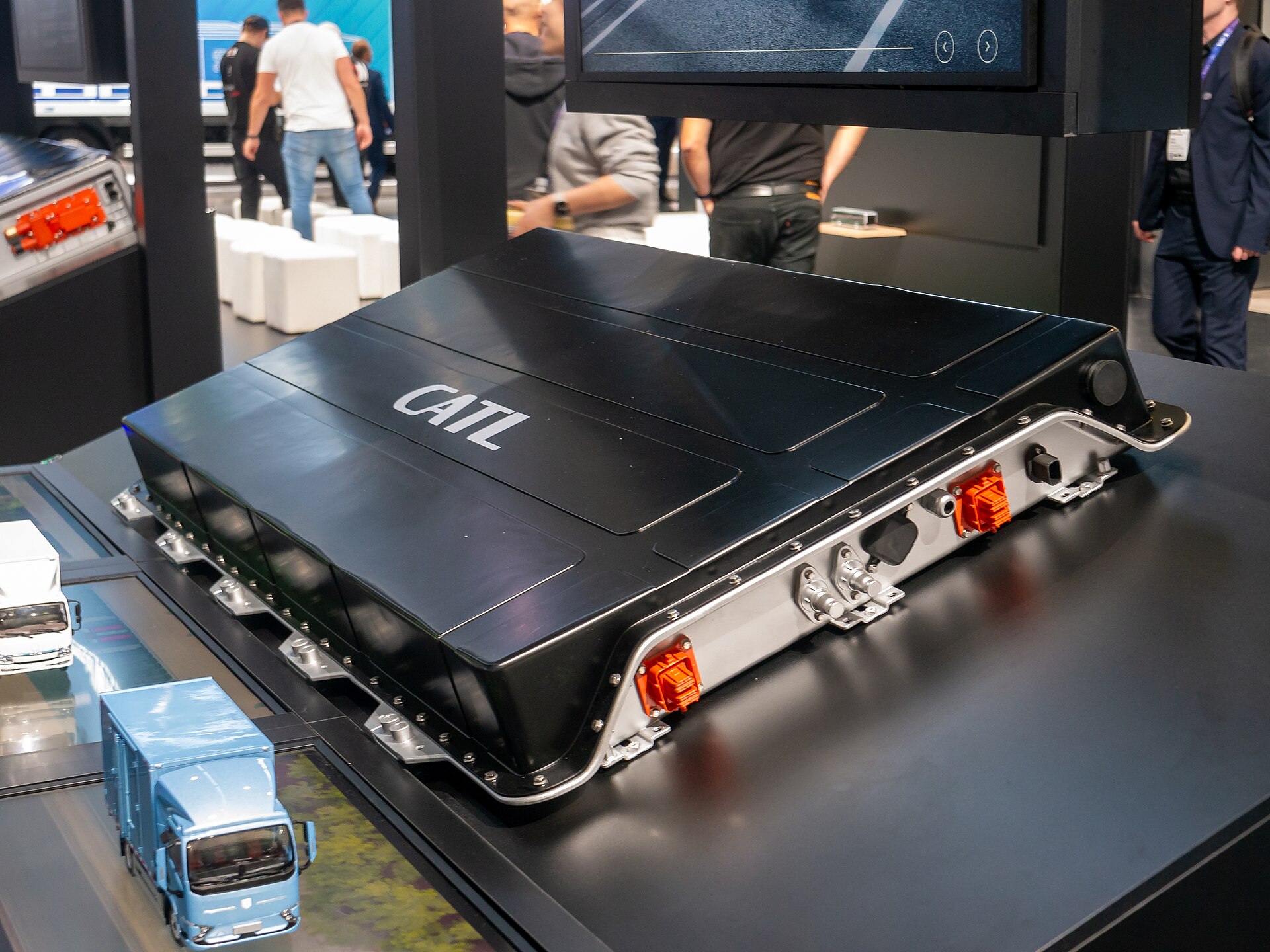
CATL Chief Scientist Wu Kai told an industry forum that the company will run sodium-ion cell lines at scale through 2026, with a pack targeting 600 km of range, according to CarNewsChina. That is the line the industry has been waiting for since CATL first showed a sodium-ion prototype in 2021.
What Wu Kai actually said
The message from Wu Kai was narrow and specific. Lines are being built, output is being staged across 2026, and the headline pack is being engineered for 600 km of range on the CLTC cycle. The 600 km figure puts sodium-ion into the same conversation as mid-range LFP packs, which is where the chemistry has to land if it is going to take cost share rather than serve as a cold-weather curiosity.
This is the production half of the announcement CATL started last year. In April 2025 the company launched its Naxtra sodium-ion brand and said passenger EV cells would follow commercial vehicle cells. Wu Kai is now putting a calendar on it.
Why the range number matters
Sodium-ion has always had two selling points and one problem. The selling points are cost, since sodium is far cheaper than lithium carbonate, and cold-weather performance, since the chemistry holds capacity better at low temperatures. The problem is energy density. First-generation cells came in around 160 Wh/kg, which is fine for two-wheelers and entry city cars, and not fine for a 600 km sedan.
A 600 km pack at sodium-ion density implies either a very large pack, a serious jump in cell energy density, or both. CATL has not published a cell spec sheet for the 2026 line, so the engineering claim has to be read alongside the production claim. One without the other is a press release. Both together would change the floor price of a usable EV in China.
AutonomyEV's opinion
The interesting question is not whether CATL ships sodium-ion in 2026. They will ship something. The question is what segment it lands in. If the 600 km pack shows up in a sub-100,000 yuan sedan, LFP suppliers outside CATL get squeezed first and lithium carbonate spot prices take another leg down. If it shows up in commercial fleets and entry hatchbacks at 300 to 400 km, the Naxtra brand becomes a hedge rather than a disruption.
The second question is export. Sodium-ion sidesteps a lot of the raw material politics that wrap around lithium and nickel. A CATL sodium-ion line that can supply European and Southeast Asian assembly without tripping critical mineral reviews is worth more strategically than the cost saving alone. Watch which OEMs sign supply deals before the end of 2026. That tells you whether Wu Kai's timeline is real or aspirational.

Comments
Closed.
Comments close 30 days after a piece runs. The thread on this one is locked.
Tips and corrections still welcome at tips@autonomy-ev.com.