













CATL's Xiamen testbed is the new center of gravity for grid storage
CATL switched on what it calls the world's largest energy storage testbed in Xiamen, next to its Fujian headquarters, betting full-stack validation data becomes its bankable edge in grid storage procurement.
Yair Knijn
Founder & editor-in-chief
- CATL
- energy storage
- batteries
- China
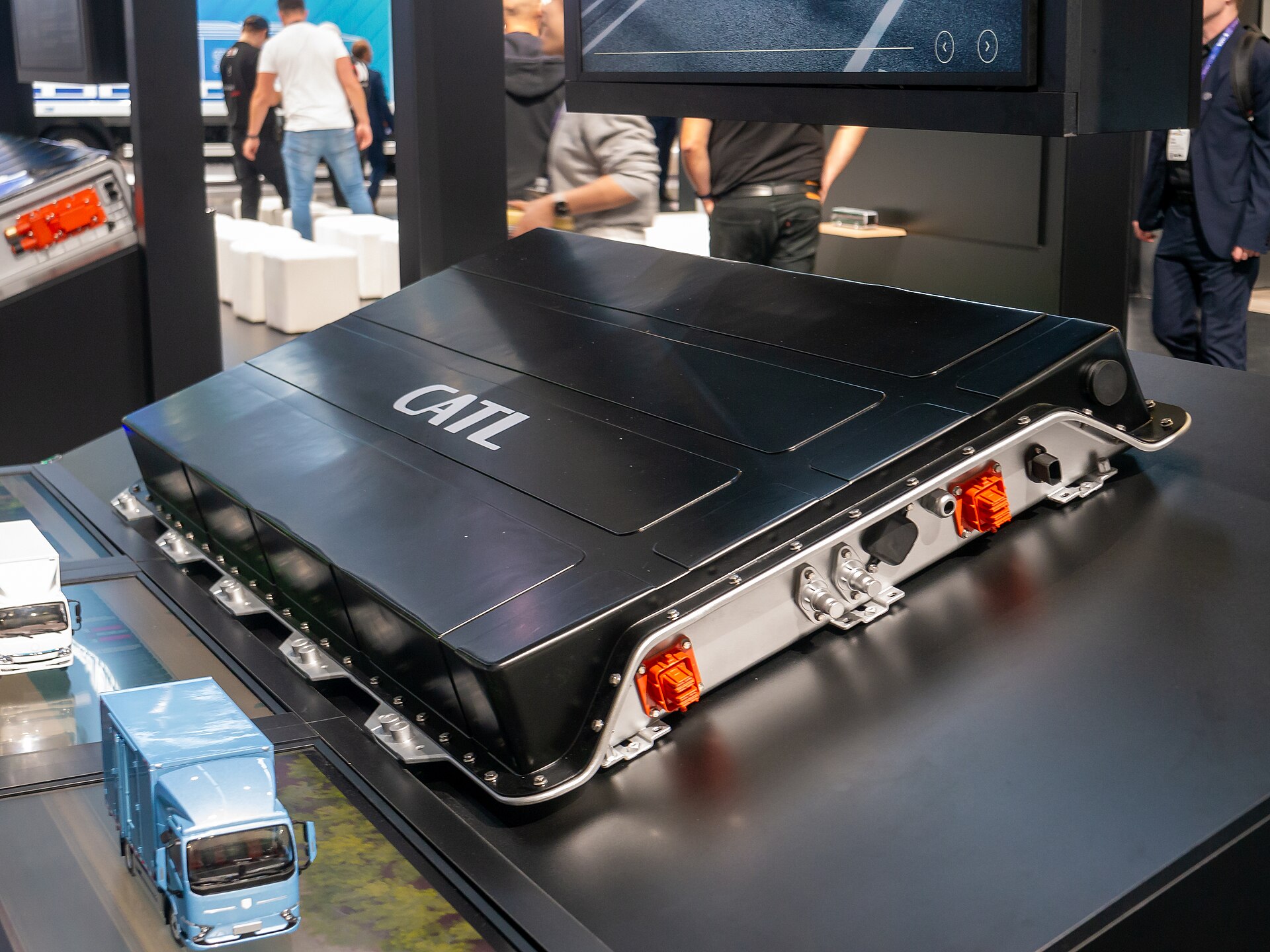
The world's largest battery maker just put a stake in the ground for stationary storage, and it sits next door to its Fujian headquarters.
What CATL actually opened
Per CarNewsChina, CATL has switched on what it calls the world's largest energy storage testbed in Xiamen, the coastal city in Fujian that also houses the company's headquarters. CATL's announcement names the facility the Xiamen Energy Storage Validation Research Institute and frames it as open, shared infrastructure for the global energy storage sector. The site is set up to validate large-format storage systems end to end before they ship to grid operators and project developers. That means racks, containers, thermal loops, fire suppression, and power conversion gear running together under real load profiles, with cells tested as part of a system rather than in isolation on a bench.
The location is deliberate. Putting the testbed next to engineering and quality teams in Xiamen cuts the loop time between a field anomaly and a design change. It also lets CATL run accelerated cycling on the same hardware revisions that go into customer projects, which is the only honest way to back a 20-year warranty on a stationary asset.
Why a testbed is the right unlock
The storage market is no longer cell-limited. The IEA executive summary records grid-scale battery storage deployment more than doubling year-on-year in 2023, with LFP chemistry accounting for roughly 80% of new battery storage capacity added that year. The broader IEA report situates that growth inside a wider shift toward batteries as a tool for secure energy transitions. The harder problems now sit one layer up: thermal runaway containment, inverter coordination, state-of-health drift across thousands of modules, and degradation curves that hold over a decade of merchant dispatch.
A full-stack testbed is how you generate the data that wins those arguments with procurement teams. CATL's TENER platform is pitched as the world's first five-year zero-degradation energy storage system, packing 6.25 MWh into a standard TEU container. Those numbers are useful in a pitch deck. They become bankable when an independent engineer can point to a multi-year curve from a controlled site running real grid duty.
The competitive picture
LG Energy Solution, Samsung SDI, BYD, EVE Energy, and Fluence all run energy storage programs. From what is publicly visible today, no rival has announced a validation site at this scale. CATL is also vertically integrated in a way Korean rivals are not, with cell production, BMS, container assembly, and now system-level testing inside one operating perimeter. That shortens the path from a failure mode observed in Xiamen to a corrected bill of materials in the next production run.
AutonomyEV's opinion
A testbed is plumbing, and that is why it matters. Grid buyers want degradation curves they can finance against, and a controlled facility is the cheapest way to produce them at the volume CATL needs. The risk is that the published data stays selective, with cherry-picked duty cycles and anonymized failures. We would like to see CATL commit to third-party access for the testbed, similar to how UL and DNV instrument independent storage trials. Without that, the Xiamen site is a marketing asset with very good instrumentation. With it, CATL gets a decade-long structural advantage in ESS procurement, and the Korean and US incumbents will need their own answer inside 18 months.

Comments
Closed.
Comments close 30 days after a piece runs. The thread on this one is locked.
Tips and corrections still welcome at tips@autonomy-ev.com.