













China EV Sales Rebound in May While Overcapacity Persists
Zeekr and Leapmotor posted record May 2026 deliveries as fresh models with better batteries and driver assistance drew buyers, yet excess factory capacity keeps price pressure high across China's crowded EV market.
Yair Knijn
Founder & editor-in-chief
- china
- ev-sales
- overcapacity
- competition
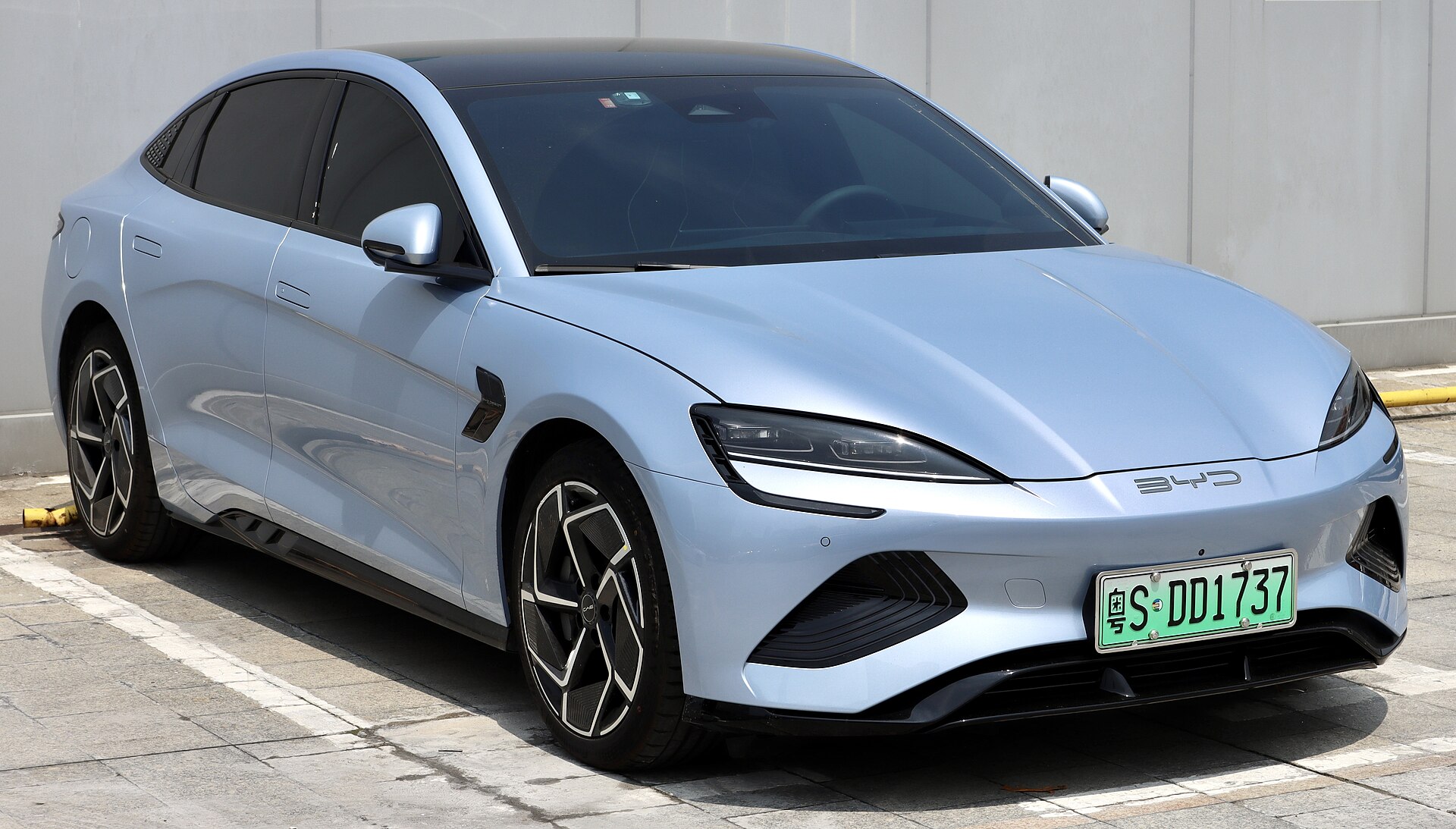
Chinese electric vehicle makers posted stronger May 2026 delivery figures after several months of softer demand, yet the market remains crowded and price-driven amid persistent overcapacity Chinese EV makers recover in May while competition remains fierce amid overcapacity woes. Buyers responded to regional purchase incentives and to newer vehicles carrying upgraded batteries and expanded driver assistance features.
Delivery Records at Zeekr and Leapmotor
Zeekr, Geely's premium brand, reported record May 2026 deliveries of 34,377 units, up about 81.8% year over year and about 8.2% versus April, with premium models cited as the main driver Zeekr's May 2026 deliveries. Leapmotor, backed by Stellantis, set its own monthly record at 81,569 deliveries in May 2026, up about 81% year over year and about 14.3% above its prior peak of 71,387 units Leapmotor sets new record: 81,569 deliveries in May; global expansion accelerates. The South China Morning Post linked both brands' results to fresh model launches and continued subsidy support from regional governments Chinese EV makers recover in May while competition remains fierce amid overcapacity woes.
Overcapacity and Price Pressure
Factory output still exceeds current demand across much of the sector Chinese EV makers recover in May while competition remains fierce amid overcapacity woes. Multiple makers continue to cut prices to move inventory, which compresses margins even as unit volumes recover. No major consolidation announcements have surfaced in regulator filings or company statements to date.
Battery and ADAS Upgrades
Higher energy density cells and expanded driver assistance functions appear in the latest vehicle batches. These changes help differentiate products in a crowded showroom, though real-world performance data from fleet operators remains limited, so operators should treat marketing claims with caution until more field evidence accumulates.
AutonomyEV's opinion
The May numbers show that subsidies and refreshed hardware can move metal in the short term. Sustained profitability will require either higher utilization rates or capacity cuts that have not yet materialized in public filings or corporate statements. Operators tracking total cost per kilometer should weigh actual utilization data rather than headline delivery totals alone.


Comments
Closed.
Comments close 30 days after a piece runs. The thread on this one is locked.
Tips and corrections still welcome at tips@autonomy-ev.com.