













China's 2026 Auto Standards Plan Targets Chips, AI, and Batteries
Beijing's MIIT is writing the technical rulebook for EVs, vehicle chips, and autonomous driving, and global suppliers will have to read it.
Yair Knijn
Founder & editor-in-chief
- china
- standards
- autonomous-driving
- ev-policy
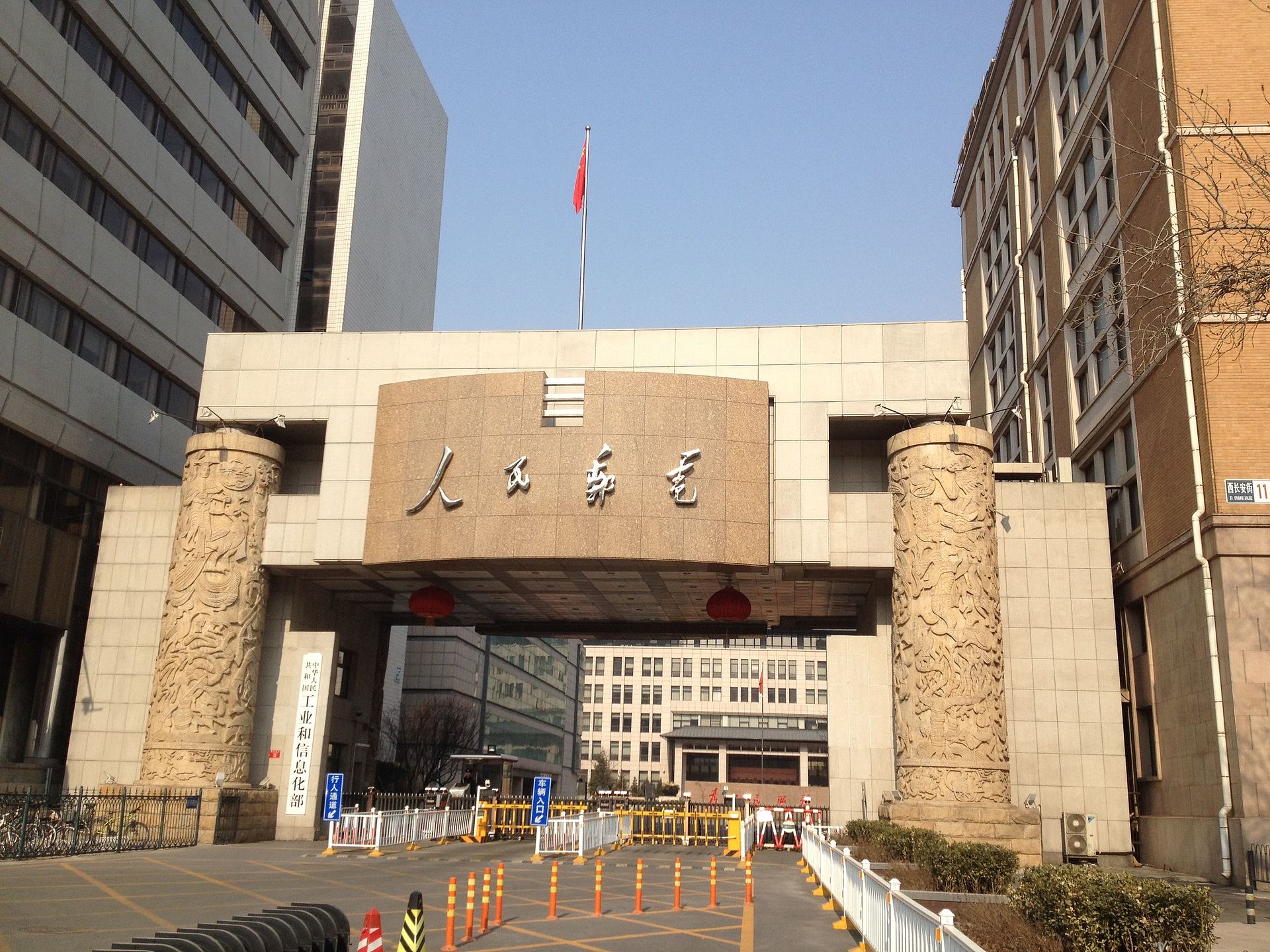
China's Ministry of Industry and Information Technology published its 2026 work plan on automotive standardisation on Tuesday, and the scope is the point. The plan covers vehicle chips, AI systems, batteries, autonomous driving, and low-carbon manufacturing. MIIT is drafting the technical baseline that any supplier shipping into China has to meet, and that any Chinese automaker exporting to Europe or Southeast Asia will carry with them.
What MIIT actually released
The SCMP report lists the priority areas: vehicle-grade semiconductors, in-car AI, batteries, autonomous driving, and decarbonisation across the production chain. MIIT frames it as tightening technical requirements to reinforce China's lead in EVs. That lead is already real. The IEA's Global EV Outlook 2024 put China at roughly 60 percent of new electric car registrations worldwide in 2023, which means standards written in Beijing now have a larger captive market than standards written anywhere else.
Standards work is dull until it isn't. Once MIIT fixes a chip qualification spec or a battery thermal-runaway test, every Tier 1 supplier targeting the Chinese market codes against it. The rest of the world either adopts a compatible spec or accepts that its domestic vendors are building to a smaller market.
Where this hits autonomous driving
The autonomous driving piece matters most outside China. Beijing has already moved Level 3 conditional automation from concept toward production, with MIIT-led pilot approvals issued to nine carmakers including BYD, Nio, and SAIC in June 2024. A 2026 standardisation plan that codifies test methods, data recording requirements, and operational design domain definitions gives those pilots a path to type approval rather than indefinite trial status.
For foreign players, the implication is direct. Tesla's FSD rollout in China, and any European OEM trying to homologate L3 there, will be measured against MIIT's test suite, not a self-certified one. Cross-recognition with UNECE rules in Geneva will probably happen for the easy parts, like lamps and tyres. For perception stack validation and over-the-air update governance, the gap will be wider.
AutonomyEV's opinion
The 2026 plan is a regulatory moat dressed as a technical document. China is doing what the EU did with GDPR and what the US did with FMVSS in the 1970s: write the spec early, make it detailed, and let the rest of the world catch up. The interesting question is whether UNECE working groups absorb these specs or compete with them. If MIIT's chip and AD standards become the de facto reference for the rest of Asia, the Brussels and Geneva agenda-setters lose ground on the technologies that will define vehicles for the next decade.
For automakers, the practical move is unglamorous. Staff up the Beijing standards team, send engineers to the SAC/TC114 meetings, and stop treating Chinese regulation as a localisation tax bolted on after design freeze. It is becoming the upstream input.


Comments
Closed.
Comments close 30 days after a piece runs. The thread on this one is locked.
Tips and corrections still welcome at tips@autonomy-ev.com.