













China's Robotic Hand Race Is an EV Story, Not a Robotics Story
Xiaomi and Li Auto are funding Xynova because the same factories that build their cars need cheaper hands on the line, and soon.
Yair Knijn
Founder & editor-in-chief
- china
- humanoids
- xiaomi
- li-auto
Xynova, a Hangzhou outfit barely out of stealth, just closed a Series A with money from Xiaomi's and Li Auto's venture arms, per SCMP, which puts Xynova's total raised at nearly 1 billion yuan. Most coverage frames the deal around humanoids. The more useful frame is car manufacturing.
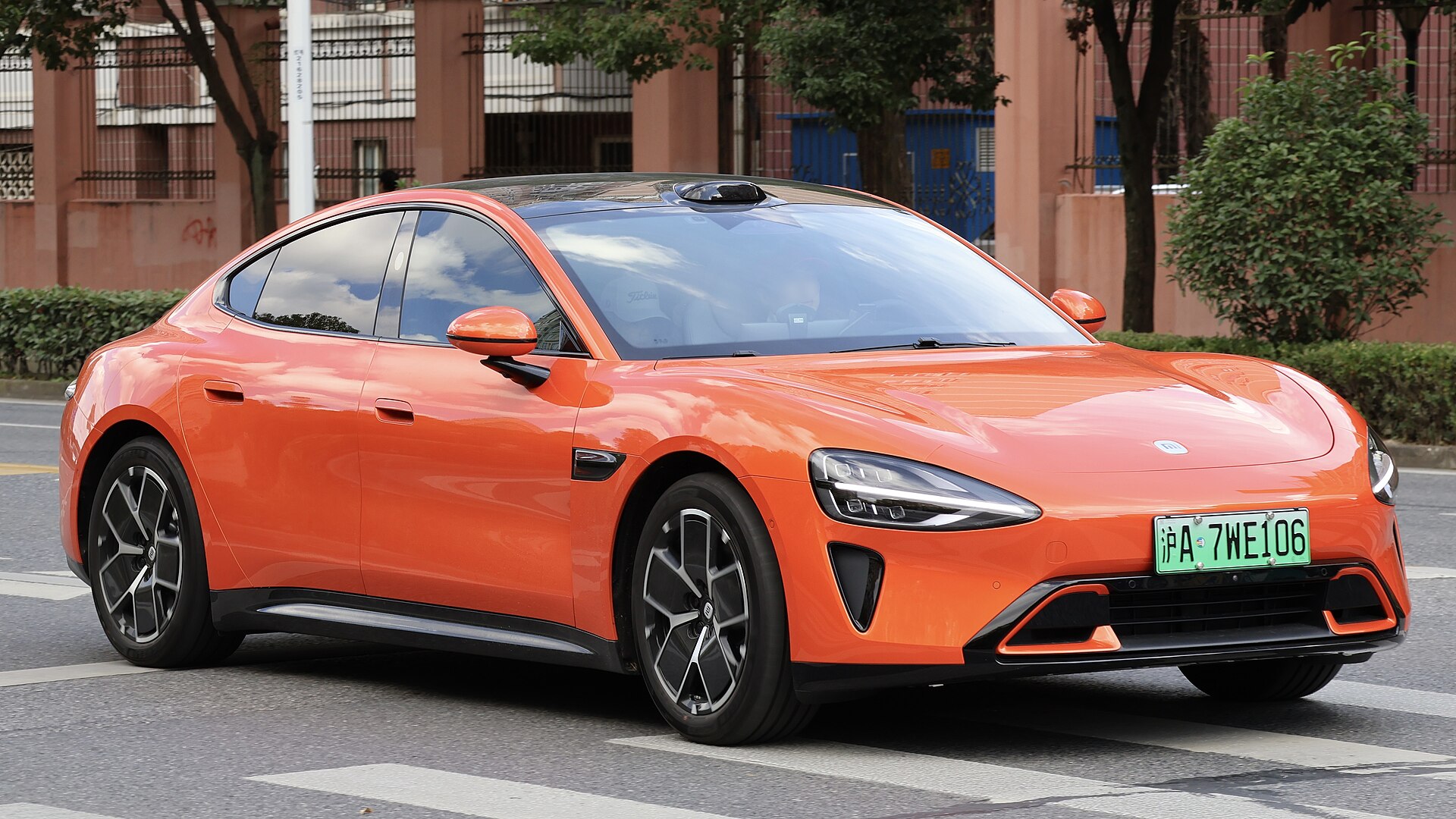
Both Xiaomi and Li Auto run their own EV assembly lines. Xiaomi began delivering the SU7 in April 2024 and is building a second plant in Beijing. Li Auto operates plants in Changzhou and Beijing. Neither company is primarily a robotics vendor. They are writing checks into dexterous hands because the hand decides whether a robot can replace a person on a wiring harness, a battery module, or a final inspection station. Everything else in a humanoid (legs, torso, vision) is closer to solved than the hand.
Why hands, why now
The SCMP piece describes an arms race among China's robotic-hand developers, with investors treating dexterous hands as the hardest remaining bottleneck in humanoid hardware and valuations climbing in months rather than years. That tracks with what the rest of the field has been saying. Tesla pitches Optimus as a factory worker first and a consumer product later, and the demos that get the most attention are the ones where the hand picks up a battery cell or sorts parts. The hand is the gating item for the use case that actually pays.
For a Chinese automaker, the math is direct. A working bimanual humanoid on a final assembly line, at a unit cost in the tens of thousands of dollars, beats hiring and retraining workers in a tight labor market. It also lets the automaker stop paying integrator margins to Fanuc, ABB, and Yaskawa for the awkward tasks that fixed industrial arms still cannot do well.
What the money buys
A Series A into a hand company buys option value: a seat at the table, early access to hardware iterations, and a hedge against whichever of UBTech, Unitree, AgiBot, or the next entrant ends up with a credible product. Xiaomi and Li Auto are unlikely to treat Xynova as their only path. The same pattern showed up in the LiDAR market five years ago. Automakers backed multiple startups, took the data, and consolidated later.
The arms-race framing in SCMP holds up on the funding side. It is less clear on the product side. Tendon-driven hands, linkage hands, and direct-drive hands all have open problems in durability, force sensing, and cost. None of the public demos from Chinese vendors so far show a hand running an eight-hour shift on a real assembly line without a teleoperator.
AutonomyEV's opinion
Treat this round as an EV manufacturing signal. The Chinese automakers most aggressive on vertical integration (Xiaomi, Li Auto, BYD by extension) are the ones funding the hand layer, because they are the ones who will deploy it first inside their own four walls. Western automakers are not visibly doing this. If a Chinese-built humanoid hits a labor-cost-competitive price on a Xiaomi or Li Auto line in 2027, the cost-per-vehicle gap with Stellantis, VW, and Ford widens again, on top of the gap that batteries already created. The hand is the part to watch.


Comments
Closed.
Comments close 30 days after a piece runs. The thread on this one is locked.
Tips and corrections still welcome at tips@autonomy-ev.com.