













Daily Level 1 Charging Is Fine. Here Is What Actually Hurts Your Battery
A new EV owner asks if plugging in daily at work will wreck the pack. Fleet data and lab testing agree it will not, and Level 1 is close to ideal.
Yair Knijn
Founder & editor-in-chief
- charging
- battery
- level 1
- degradation
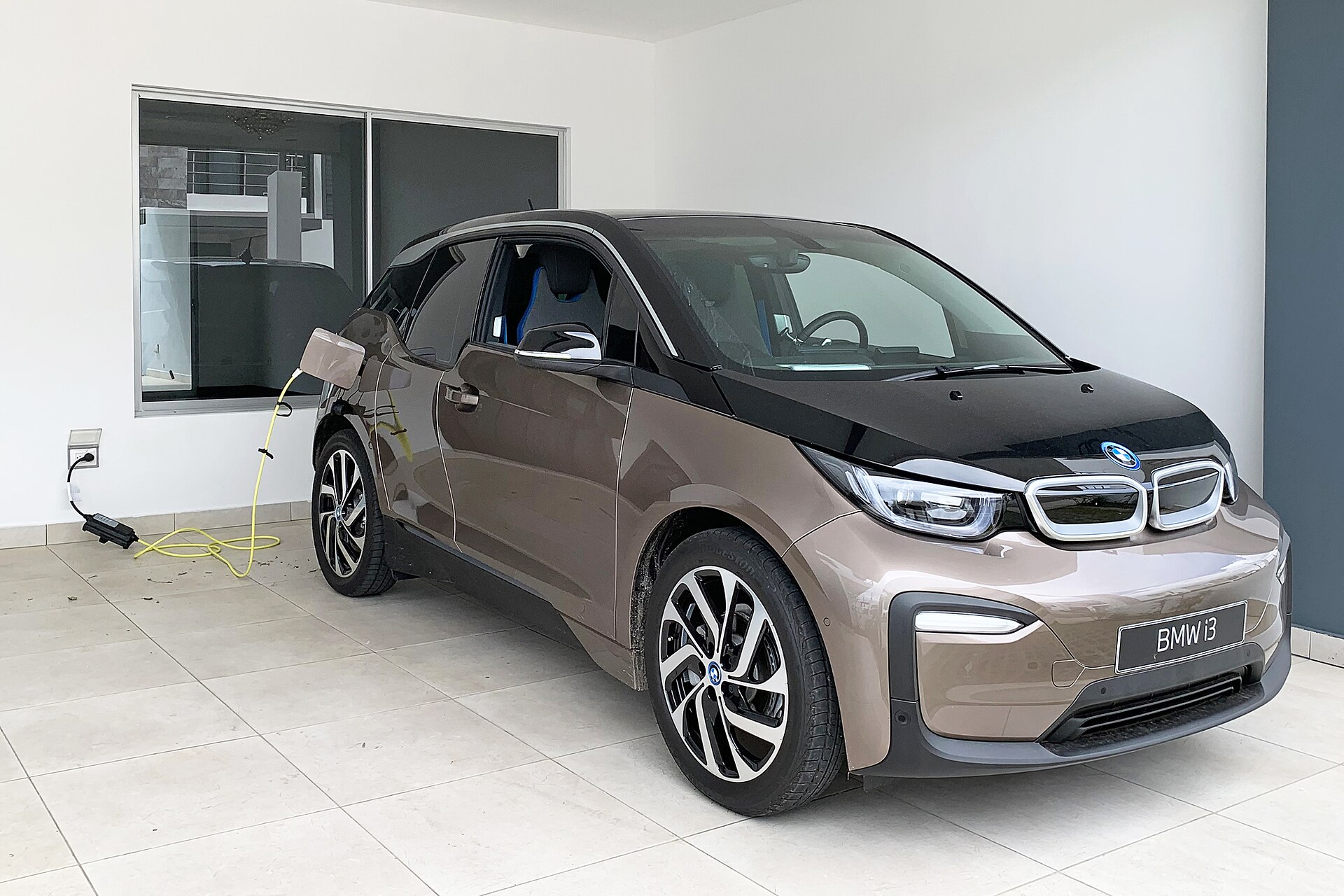
The question every new EV owner asks
A driver on r/electricvehicles commutes 40 miles each way, six days a week, and has free Level 1 outlets at work. The question, shaped by years of phone battery anxiety, is whether plugging in every day will kill the pack faster. The short answer is no. The longer answer is that habits which wear out a phone do not map cleanly onto a 60 to 90 kWh traction battery with active thermal management and a buffered state of charge window.
What the fleet data shows
Geotab's 2025 analysis of more than 22,700 EVs across 21 models puts average annual capacity loss at about 2.3 percent. An earlier interim report from 2023, covering 11 models, found roughly 1.8 percent per year. At the current rate, compounding over five years leaves most packs around 89 to 91 percent of original capacity, well within the range most owners care about at trade-in or lease end. Cycle count matters less than what state of charge the pack sits at and how hot it gets while sitting there.
Why Level 1 at work is close to ideal
Slow charging at 1.4 kW is among the gentlest ways to put energy back into a lithium-ion cell. Green Car Reports summarized an Idaho National Laboratory study that compared identical Nissan Leafs charged exclusively on DC fast charging versus AC Level 2. The DC fast charging pack lost about three percentage points more capacity over the same mileage, roughly 27 percent versus 24.5 percent at 50,000 miles. Total miles driven mattered more than which charger was used. Level 1 is slower still, generates almost no waste heat, and keeps the pack inside the comfortable middle of its voltage range for most of the day.
The math on the Reddit commute works out cleanly. Forty miles drains roughly 12 kWh. An eight hour workday on a standard 120 volt outlet replaces about 11 of those. Arriving home near 60 percent and topping up overnight only if needed matches the common manufacturer guidance for NMC packs: keep the daily limit around 80 percent, plug in whenever convenient, avoid sitting at 100 percent. Jalopnik's breakdown of the 80 percent rule explains why the chemistry matters, LFP packs can sit at 100 percent daily, while NMC cells benefit from a lower ceiling.
AutonomyEV's opinion
Use the free outlet. Set the car's charge limit to 70 or 80 percent if the pack is NMC, or 100 percent if it is LFP, per the chemistry distinction Jalopnik outlines. Skip DC fast charging unless a road trip demands it. Heat and time spent at high state of charge are what actually move the degradation curve. Daily Level 1 at work sidesteps both.
The phone analogy fails because phones have no thermal management, no usable buffer above and below the visible 0 to 100, and a charging profile tuned for speed over longevity. EV packs are engineered the opposite way. The owner who plugs in every day at 1.4 kW and rarely touches a fast charger should, by Geotab's current fleet numbers, still hold well over 90 percent of original capacity when the lease ends.

Comments
Closed.
Comments close 30 days after a piece runs. The thread on this one is locked.
Tips and corrections still welcome at tips@autonomy-ev.com.