













DC's Streetlight EV Chargers, Paid For By Diesel Drivers
Washington is converting lampposts into Level 2 curbside chargers, funded by a one-time Volkswagen diesel settlement rather than any recurring fuel tax or the city's general fund.
Yair Knijn
Founder & editor-in-chief
- charging
- policy
- infrastructure
- dc
The pilot
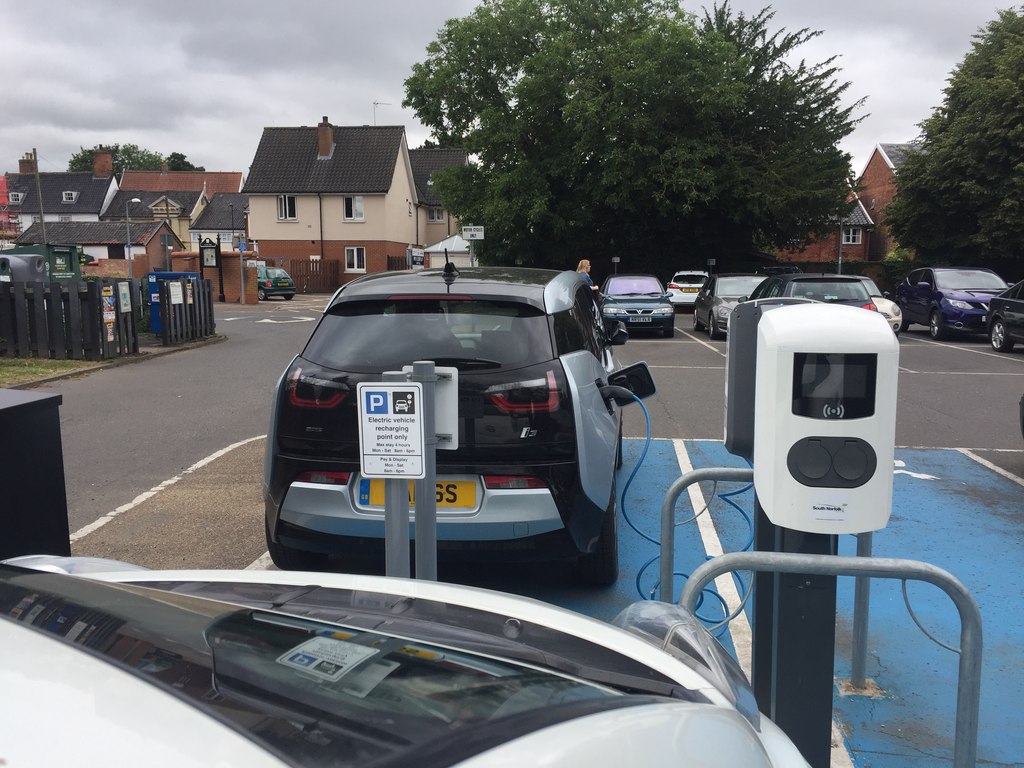
Washington is mounting Level 2 chargers on existing streetlight poles across the District, turning curbside parking into overnight charging for residents without driveways. The hardware comes from Voltpost, a New York startup that retrofits lampposts with modular, upgradable Level 2 charging heads. Electrek reports that DOEE selected Voltpost as one of three companies to deploy curbside and near-site chargers, coordinating with the city as EVs reach roughly a fifth of new DC vehicle registrations.
The appeal is obvious. Curbside retrofits avoid the permitting and trenching costs that make typical pole-mounted Level 2 stations expensive. Voltpost retrofits the existing pole with a shroud that holds the electronics and cabling, and says an install takes about an hour. A renter without a garage gets a port within sight of their apartment, which is what dense-city EV adoption actually needs. Level 2 suits overnight charging on the block where someone already parks.
Who pays
The program is funded through a one-time grant, not ongoing fuel taxes. DOEE awarded $609,500 in grants for streetlight and curbside Level 2 EV chargers, with Voltpost among three recipients. WJLA's local coverage corroborates the grant structure and the curbside mitigation angle.
The money comes from DC's allocation of the Volkswagen "Dieselgate" emissions settlement: a fixed, one-time EPA Clean Air Act penalty pool restricted to NOx-reduction mitigation. The District received $8.125 million total. Fifteen percent of that allocation, the EVSE category, can fund charging infrastructure. This is a settlement allocation tied to a specific enforcement action. It does not scale with diesel sales volume, and it is unrelated to any recurring per-gallon diesel levy or a standing clean energy fund.
That framing matters for anyone tracking the pilot. The grant covers deployment now. What pays for maintenance, expansion, and operations once the settlement pot is spent is a separate policy question the city has not fully answered in public.
AutonomyEV's opinion
Lamppost charging is the right answer for dense cities. DC is correct to skip the parking-lot DC fast charger model that suburbanites assume scales everywhere. A resident in Adams Morgan does not need 150 kW for ten minutes. They need 7 kW for eight hours, on the block where they already park.
The funding story is more interesting than the hardware, and it points in a different direction than a fuel-tax loop. One-time settlement money can seed a pilot. It cannot indefinitely subsidize a growing charger network. The honest question is what comes after the Volkswagen allocation is committed: usage fees, parking revenue, utility rate-basing, future federal or state grants, or some mix. European curbside programs have tended to migrate toward operator revenue and utility partnerships once capital subsidies run out. DC should plan that transition now, while the pilot is still small.
Voltpost's bet is that municipalities will standardize on retrofits rather than greenfield installs. If the DC deployment scales past its initial footprint, that bet looks correct. DC is the test case the industry should be watching, and the metric that matters is utilization per port six months after the ribbon-cutting, not the install count on day one.

Comments
Closed.
Comments close 30 days after a piece runs. The thread on this one is locked.
Tips and corrections still welcome at tips@autonomy-ev.com.