













EV Slowdown? Not Outside the US. Global Sales Grew 20%
The IEA pegs 2025 plug-in sales near 20.7 million units, up 20 percent, with China and Europe absorbing the growth while US adoption stalls under federal policy reversals.
Yair Knijn
Founder & editor-in-chief
- ev-sales
- iea
- policy
- china
Where the growth went
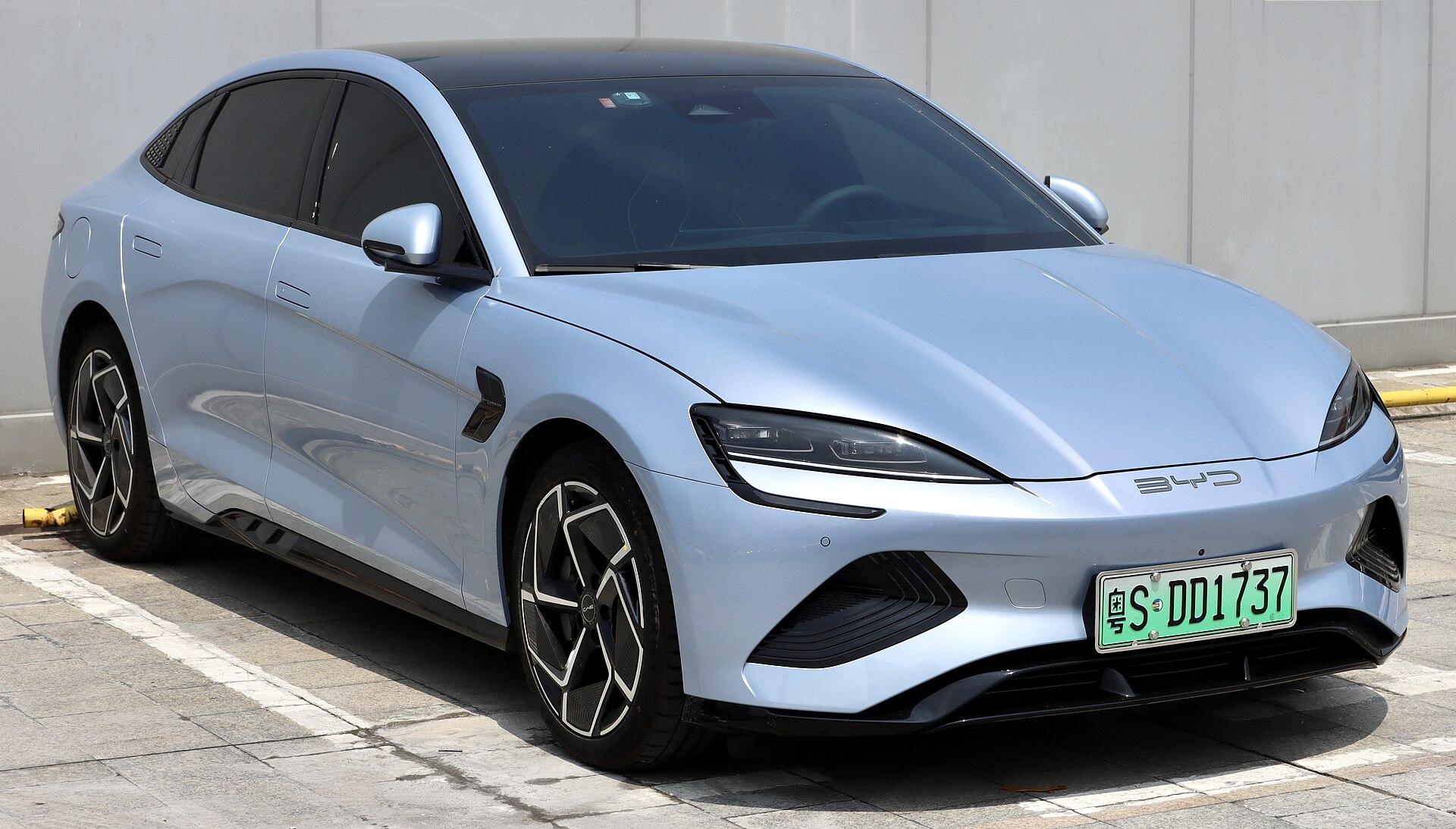
The IEA's Global EV Outlook 2025 executive summary puts 2025 plug-in car sales at roughly 20.7 million units, about 20 percent above the 17 million sold in 2024. Benchmark Mineral Intelligence independently confirms that total and notes that China accounted for the majority of global volume. Per the IEA, more than one in four new cars sold worldwide in 2025 was electric, with China reaching a 53 percent plug-in share of its domestic market as BYD, Geely, and SAIC pushed battery-electric and plug-in hybrid models into mainstream price bands.
Europe rebounded after a soft 2024. ACEA registration data shows EU battery-electric share reaching 17.4 percent in 2025, up from 13.6 percent in 2024. The IEA reports European plug-in sales rose roughly 30 percent to more than four million units, capturing about 28 percent of the regional new-car market. The 2025 EU fleet CO2 targets took effect and helped drive that battery-electric growth, while regulators later softened near-term compliance pressure by averaging the standard over 2025 through 2027, with financial penalties only applying after 2027.
Why the US looks flat
The IEA pegs the global plug-in share near a quarter of new car sales, while the US remains below 10 percent, well under half the worldwide rate. Federal policy reversals are the main drag. Per Plug In America's federal policy timeline, Congress repealed the $7,500 clean vehicle credit for vehicles acquired after September 30, 2025, rescinded NEVI guidance and state-plan approvals on February 6, 2025, and tariffs on Chinese EVs and batteries continue to block the cheapest supply chains.
Traditional hybrids are carrying much of the US electrification story, with major automakers posting strong hybrid sales even as plug-in adoption slows. Fleet-average CO2 can still edge down on paper, yet the country is building battery and charging scale far more slowly than China and the EU.
AutonomyEV's opinion
The headline number, 20 percent global growth, is the one to anchor on. It undercuts the lazy framing that EVs are stalling worldwide. The stall is concentrated in the US, where explicit policy reversal explains the gap more than consumer rejection or immature technology.
For automakers, the strategic implication is that the US is increasingly optional for new EV programs. Capital follows volume. When a model must clear margin in China or Europe to survive, US variants become derivatives of decisions made in Hefei or Wolfsburg, and product timing reflects that hierarchy.
For US buyers, the practical effect is fewer new entries, slower price declines, and a charging buildout that depends more on private capital from Tesla, Ionna, and EVgo than on federal cost-sharing. None of that is fatal. The next two years in the US likely look like a plateau while other markets continue climbing the adoption curve.


Comments
Closed.
Comments close 30 days after a piece runs. The thread on this one is locked.
Tips and corrections still welcome at tips@autonomy-ev.com.