













Ferrari's Luce reveal: what to watch past the styling
Ferrari revealed Luce, its first EV, at 550,000 euros with a 122 kWh, 800-volt pack and four in-house motors. The open questions now are the sustained charging curve and high-voltage service.
Yair Knijn
Founder & editor-in-chief
- ferrari
- luxury-ev
- automaker-strategy
- europe
What Ferrari confirmed at the reveal
Ferrari unveiled Luce, its first battery-electric car, in a staged livestream that led with the powertrain, then the chassis, then the complete car. Until the public naming, Ferrari referred to the program internally and in investor materials as Elettrica.
The price landed where early reporting pointed. Reuters told CBS News in August 2024 that the car would sell above $500,000 before options, citing sources familiar with planning. At the reveal, Ferrari set the figure at €550,000. CEO Benedetto Vigna defended that price and framed the Luce within a broader multi-energy strategy.
What the powertrain numbers actually say
The reveal filled in much of what Ferrari had left out of investor decks. The Luce carries a 122 kWh pack on an 800-volt architecture, with fast charging up to 350 kW. Cells are NMC, supplied by SK On.
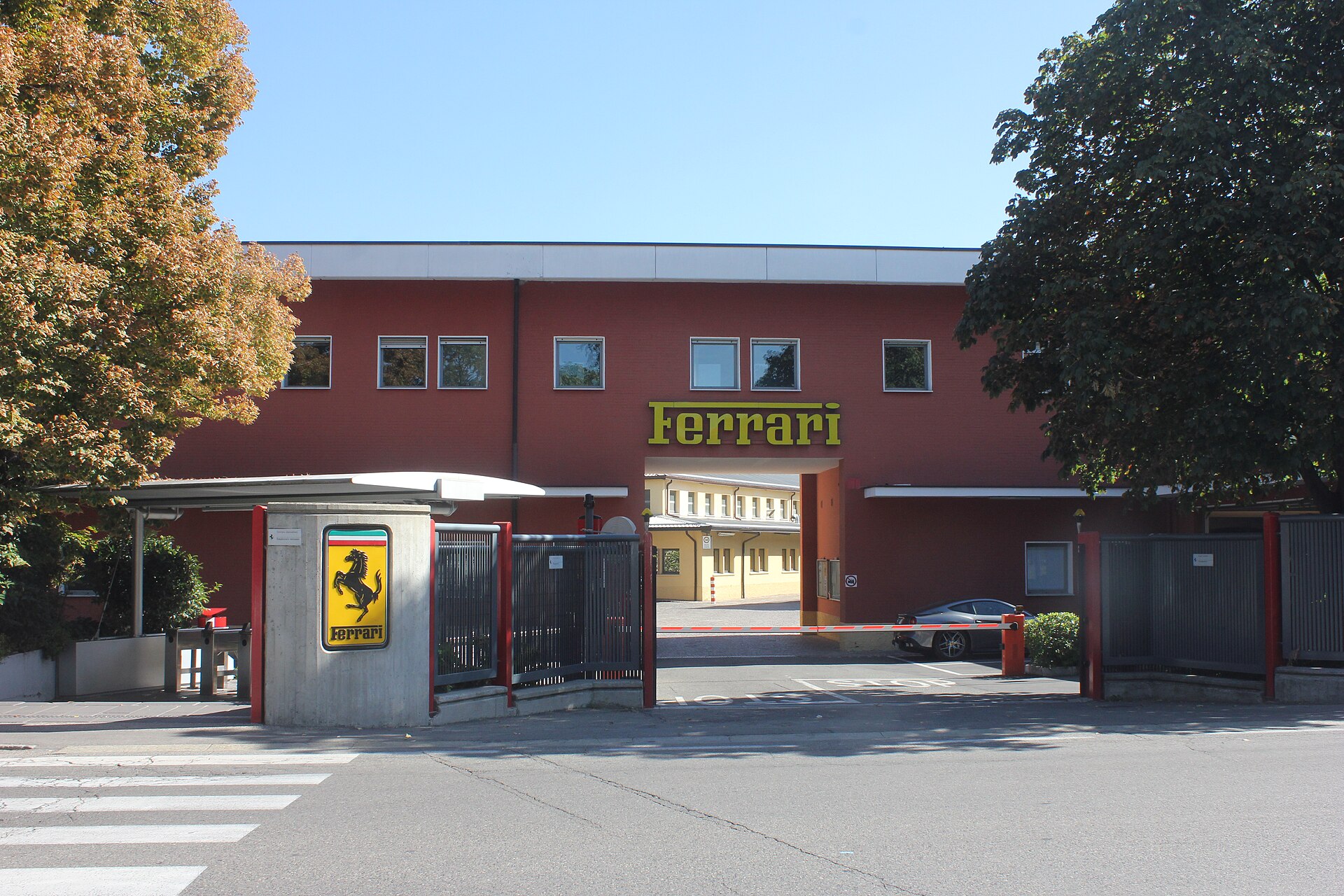
Ferrari says it engineers, develops, and manufactures the powertrain in-house, including four motors and the inverters at Maranello's E-Building. That is the section competitors and the engineering press will dissect hardest, and the staged format put it ahead of the body design for a reason.
What Ferrari still has not published in detail is thermal management architecture and the sustained charging curve. Peak kilowatts is a headline number. How many kilowatts the pack holds from 20 to 80 percent state of charge is what owners will feel on a road trip.
Volume math and what the car is for
Ferrari shipped roughly 13,800 cars in 2024, with reported deliveries of 13,752 units, up about 1% year over year. A car priced at €550,000 at that scale will not shift the global luxury EV market. It will move Ferrari's average selling price and its European fleet CO2 accounting.
AutonomyEV's opinion
Luce reads as a regulatory and brand bet with real engineering behind it. Ferrari needs an EV in the catalog to keep selling V12s in Europe under tightening fleet emissions rules, and it needs one that stands apart from a Taycan or an SF90 with a battery swap. The reveal answered the pack size, voltage class, cell supplier, peak charging rate, and in-house motor count. Those were the gaps that made the pre-reveal car look like styling with a price tag.
Two questions still matter for buyers. The charging curve beyond the 350 kW peak, and whether Ferrari commits to high-voltage repair capability at dealers outside Maranello. That service question is where most low-volume EV programs quietly fail, and it is the one Ferrari will be slowest to talk about.
Vigna's defense of the €550,000 price and his multi-energy framing suggest Ferrari sees the Luce as a catalog anchor, a car that keeps the combustion portfolio viable in regulated markets while the E-Building proves Maranello can build electric hardware. The specs make that a serious launch. Whether the ownership experience matches the spec sheet is still open.

Comments
Closed.
Comments close 30 days after a piece runs. The thread on this one is locked.
Tips and corrections still welcome at tips@autonomy-ev.com.