













Honda Backs Nexeon's Silicon-Carbon Anode Bet
Honda takes an equity stake in UK anode developer Nexeon, betting blended silicon-carbon chemistry can lift EV energy density without forcing cell makers to rebuild their lines from scratch.
Yair Knijn
Founder & editor-in-chief
- batteries
- honda
- nexeon
- silicon-anode
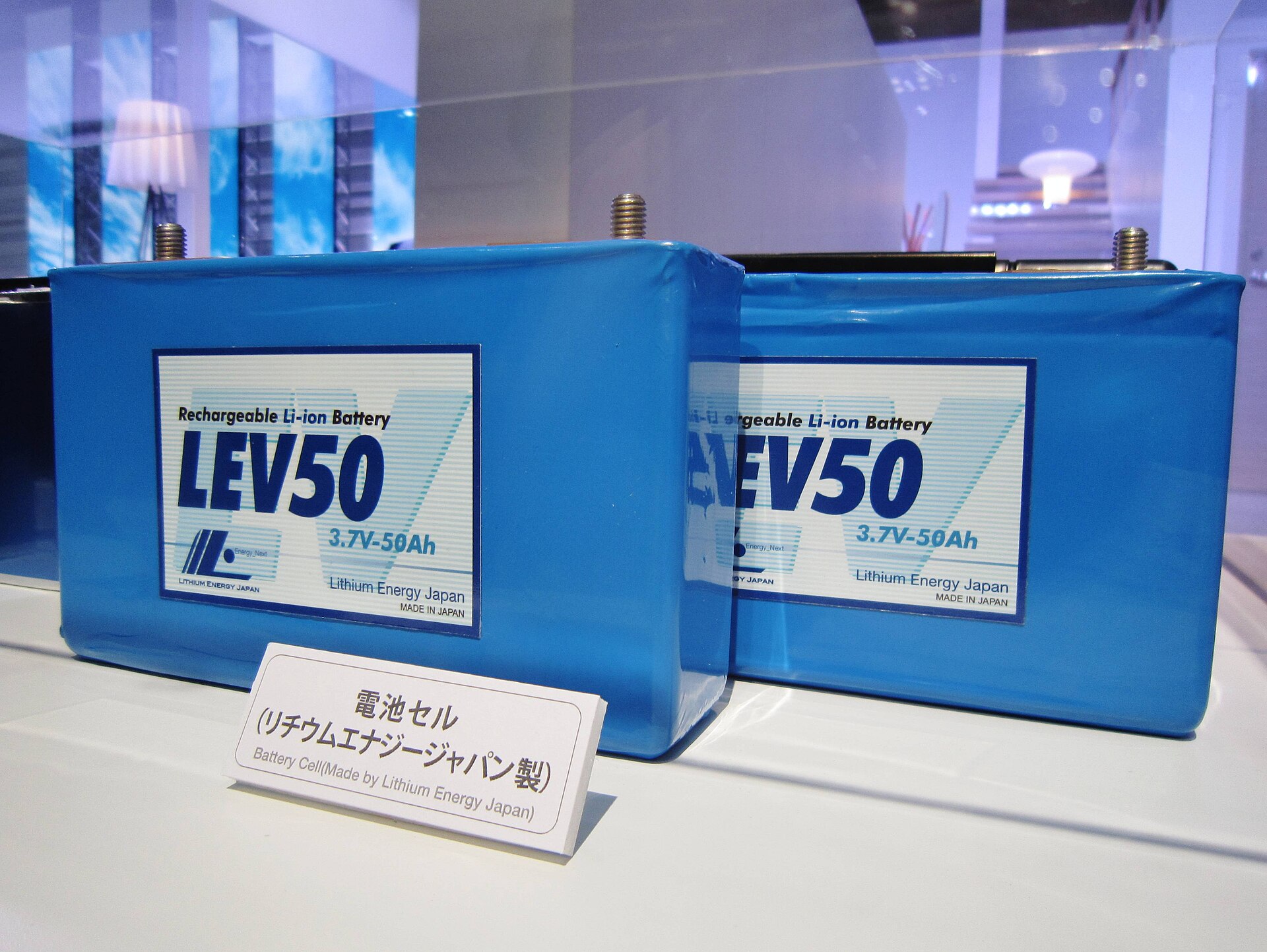
Honda has made a strategic equity investment in Nexeon, the UK silicon-anode developer, through Honda Xcelerator Ventures. The stated goal is co-development of blended silicon-carbon anode material for Honda's next EV cells. Nexeon's partner roster already includes battery players such as Panasonic Energy, which agreed to purchase Nexeon silicon anode materials. It is a supply chain move dressed up as a science move, and worth reading on both levels.
What Honda actually bought
This is an equity-plus-development deal, as electrive reported. Honda gains proximity to the technology and a hedge against the graphite anode market, which CleanTechnica notes is dominated by Chinese refiners. Nexeon gets a Tier 1 automaker validating its roadmap, which matters when you are trying to lock down qualification at cell makers. The announcement did not disclose the dollar figure, and Electronics Weekly framed the deal around higher energy density.
The interesting part is the chemistry choice. Nexeon builds silicon particles designed to blend into conventional graphite anodes at low to moderate percentages. Pure silicon swells and cracks under cycling. Keeping the graphite backbone preserves most of the existing manufacturing stack. Cell makers hate redesigning everything at once. A drop-in additive that buys 20 to 50 percent more anode capacity is a much easier sell than a from-scratch all-silicon electrode.
Why silicon-carbon, why now
Every automaker chasing 400 Wh/kg at the cell level needs more from the anode. Graphite is near its theoretical limit around 372 mAh/g. Silicon sits roughly ten times higher in theory, but only if you can keep it from tearing itself apart over a thousand cycles. The pragmatic answer the industry has converged on is blended anodes, single-digit to mid-teens percent silicon by mass, climbing over time as binders and prelithiation improve.
For Honda, the Nexeon stake arrives ahead of a mid-decade EV ramp that will need cells in volume, as CleanTechnica observed. It also gives Honda exposure to a UK-based anode source outside the Chinese graphite supply chain that dominates today's market.
AutonomyEV's opinion
Honda appears to be buying optionality here. A minority stake in an anode startup does not deliver gigawatt-hours, and Nexeon still has to prove cycle life at automotive duty cycles inside someone else's cell. The deal that would actually move Honda's EV cost curve is a binding offtake at a named cell maker, with Nexeon material qualified inside it. That announcement is the one to wait for.
The broader signal is more useful. When a conservative OEM like Honda writes a check into a silicon-anode supplier in 2026, the industry has decided blended silicon is the next default. Pure-graphite anodes in premium EV cells are on a clock.

Comments
Closed.
Comments close 30 days after a piece runs. The thread on this one is locked.
Tips and corrections still welcome at tips@autonomy-ev.com.