













Kia PV5's 1000 km Run Shows Where the 400V Ceiling Bites
The PV5 Passenger can cover real distance on the highway, but the charging curve is the story Kia's PBV pitch keeps glossing over.
Yair Knijn
Founder & editor-in-chief
- Kia
- PV5
- PBV
- charging
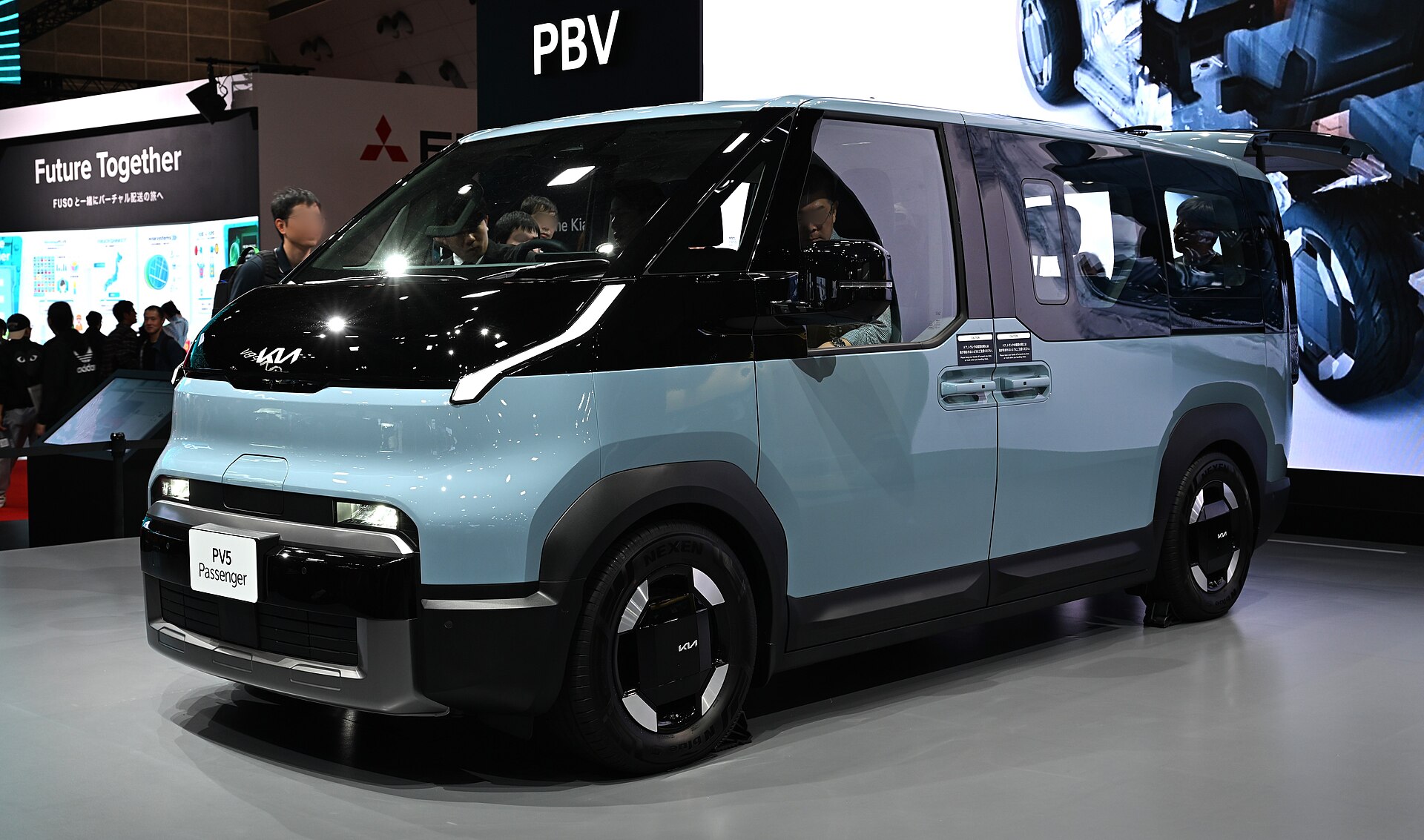
The PV5 Passenger can cover real distance on the highway, but the charging curve is the story Kia's PBV pitch keeps glossing over.
The Kia PV5 Passenger 1000 km challenge posted to r/electricvehicles is the kind of test that matters for a working vehicle. It is a full day on the road with real stops and weather against a stopwatch, rather than a controlled press loop or a single charge-to-empty lab run.
The headline result is that the PV5 can do it. The interesting part is how.
What the run actually tested
The PV5 Passenger is the people-mover variant of Kia's Platform Beyond Vehicle program, built on the dedicated E-GMP.S skateboard and produced at the EVO Plant in Hwaseong. Kia offers it with 51.5 kWh and 71.2 kWh battery packs, with WLTP range around 400 km for the larger pack in the passenger configuration.
A 1,000 km day at motorway speeds in a tall, boxy van means at least two real charging stops on the big battery, and a third if you start anywhere short of full. The video bears that out. The PV5 gets there, but the timing is dictated by the wall plug, not the driver.
The 400V ceiling
Here is where the engineering choice shows. Unlike the EV6 and EV9 on Hyundai Motor Group's 800V E-GMP, the PV5 runs on a 400V architecture with a DC fast-charging peak of 150 kW. On paper that is fine. In practice, the gap between a 350 kW capable 800V car and a 150 kW 400V van on a long day adds up to the length of a coffee stop at every recharge session.
For a family on a holiday run, that is a manageable trade-off in exchange for a lower bill of materials and a cheaper sticker. For a fleet operator running airport shuttles or last-mile passenger work, every extra minute at the charger is a minute the asset is not earning. Kia knows this. The PBV pitch leans on modularity and total cost of ownership, and the 400V decision is a deliberate cost call.
AutonomyEV's opinion
The PV5 1,000 km run is useful precisely because it does not flatter the vehicle. It shows a competent, efficient van that hits its range numbers and then waits on the charger. That is the right answer for a passenger product priced against diesel competition like the Volkswagen ID. Buzz and the Ford E-Transit Custom. It is the wrong answer if Kia wants the PV5 Cargo and the eventually-promised robotaxi-adjacent variants to compete with vehicles designed around 800V from day one.
The sensible read is that Kia has built a van that works for the buyer who plugs in overnight and takes one long trip a year. For anyone whose duty cycle is built around midday fast charging, the architecture question is going to come back. A mid-cycle 800V option for the commercial variants would close that gap. Until then, the 1,000 km video is the honest brochure.

Comments
Closed.
Comments close 30 days after a piece runs. The thread on this one is locked.
Tips and corrections still welcome at tips@autonomy-ev.com.