













Mercedes-Benz Could Lose the US Over Who Owns Its Shares
A draft bill targeting Chinese ownership of automakers reaches past Chinese brands and lands on Stuttgart, where BAIC and Geely together hold roughly a fifth of the float.
Yair Knijn
Founder & editor-in-chief
- mercedes-benz
- china
- us-policy
- ev
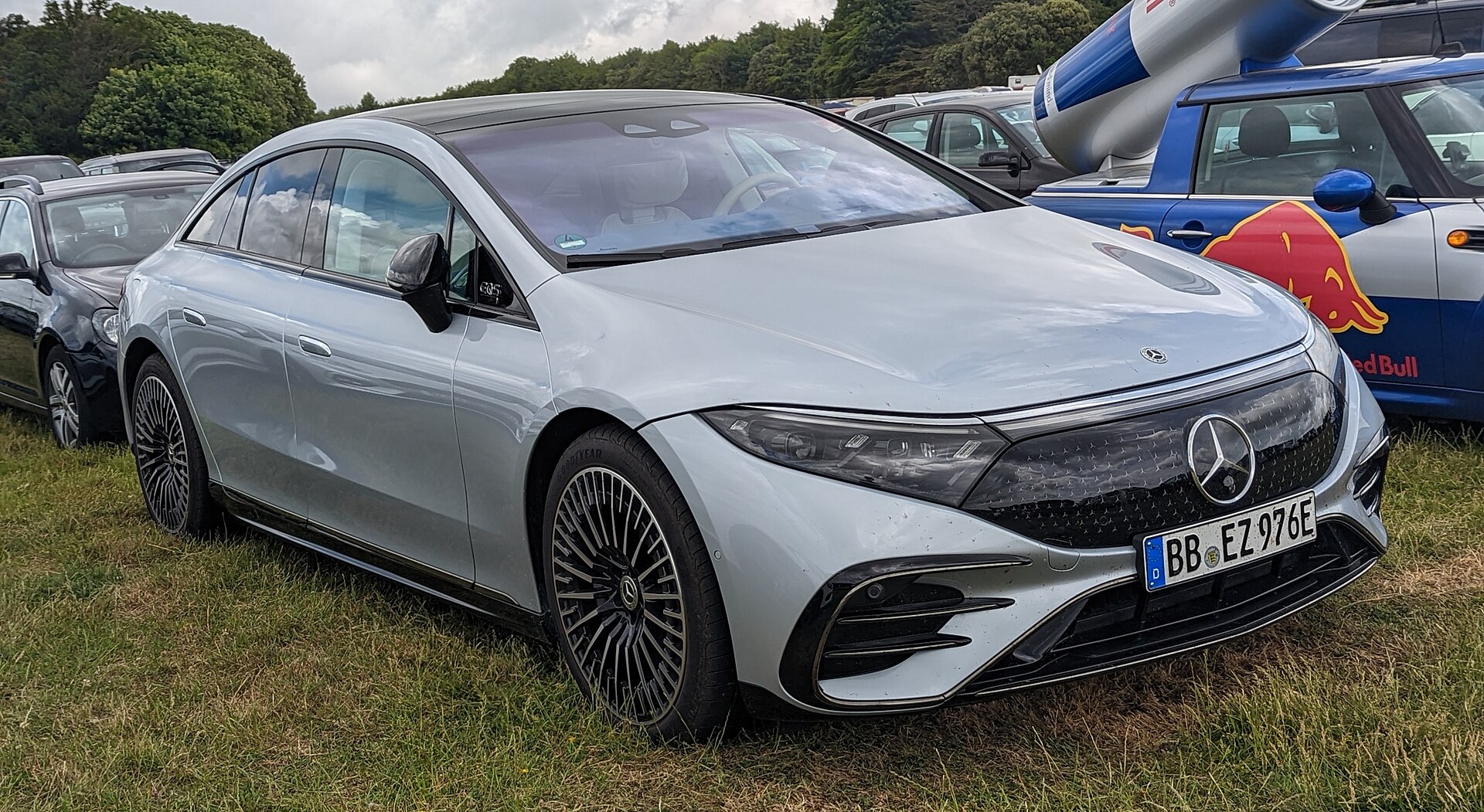
Washington is drafting a rule that would treat any automaker with meaningful Chinese ownership as a national security problem, and the first big name caught by the wording is German. CNBC reports that a bill working through Congress would bar US sales of vehicles from manufacturers in which Chinese entities hold a defined ownership share. Mercedes-Benz qualifies on paper.
The shareholder math
Mercedes-Benz Group's own shareholder structure page lists BAIC Group at around 9.98% and Tenaciou3 Prospect Investment, the vehicle controlled by Geely chairman Li Shufu, at roughly 9.69%. Together that is close to 20% of the float in the hands of two Chinese groups. BAIC's position has been public since 2019, when Reuters confirmed the Beijing automaker had quietly built the largest single stake in what was then Daimler AG.
The German company is not Chinese-controlled. Neither holder has a board majority, neither directs product strategy, and the C-Class and EQE that Mercedes ships to Tuscaloosa-adjacent dealers are engineered in Germany. The bill, as described by CNBC, does not care. It draws the line at ownership thresholds, and Mercedes is on the wrong side of the line as the share register stands today.
Why this is bigger than Mercedes
The ownership bill sits on top of an existing layer of US restrictions. The Commerce Department's Connected Vehicles final rule, published in January 2025, already prohibits the import or sale of vehicles with Chinese or Russian vehicle connectivity systems or automated driving systems software, with hardware restrictions phasing in for model year 2030. That rule polices what is in the car. The new bill polices who owns the company that builds the car. Stack them and you get a regime where a European automaker can be clean on bill of materials, clean on software stack, and still locked out because of a passive minority shareholder it cannot legally force to sell.
Volvo Cars, owned by Geely, is the obvious next name on the list. Polestar is already there. Lotus is there. Volkswagen's China joint ventures are structured differently, but anyone writing the regulatory implementation will need to decide whether JV exposure counts.
AutonomyEV's opinion
If this passes in the form CNBC describes, Mercedes has three options and none of them are quick. It can lobby for a carve-out tied to governance rather than ownership percentage, which is the honest fix because BAIC and Geely do not run the company. It can try to engineer a buyback or forced dilution, which is expensive and legally messy under German corporate law. Or it can accept a US carve-out of its lineup and shift EQS and EQE volume to other markets, which hands segments to BMW and Lexus for free.
The deeper problem is that Washington is now using ownership as a proxy for software and supply chain risk it already regulates directly. That is a blunt instrument, and blunt instruments hit allies. Berlin will notice.


Comments
Closed.
Comments close 30 days after a piece runs. The thread on this one is locked.
Tips and corrections still welcome at tips@autonomy-ev.com.