













NACS Is Becoming the Standard. The Rollout Is the Problem.
Automakers chose NACS as a procurement move, not a regulator's order. Federal NEVI rules keep CCS as the floor, so used CCS cars and the public network stay viable well into the 2030s.
Yair Knijn
Founder & editor-in-chief
- NACS
- CCS
- charging
- standards
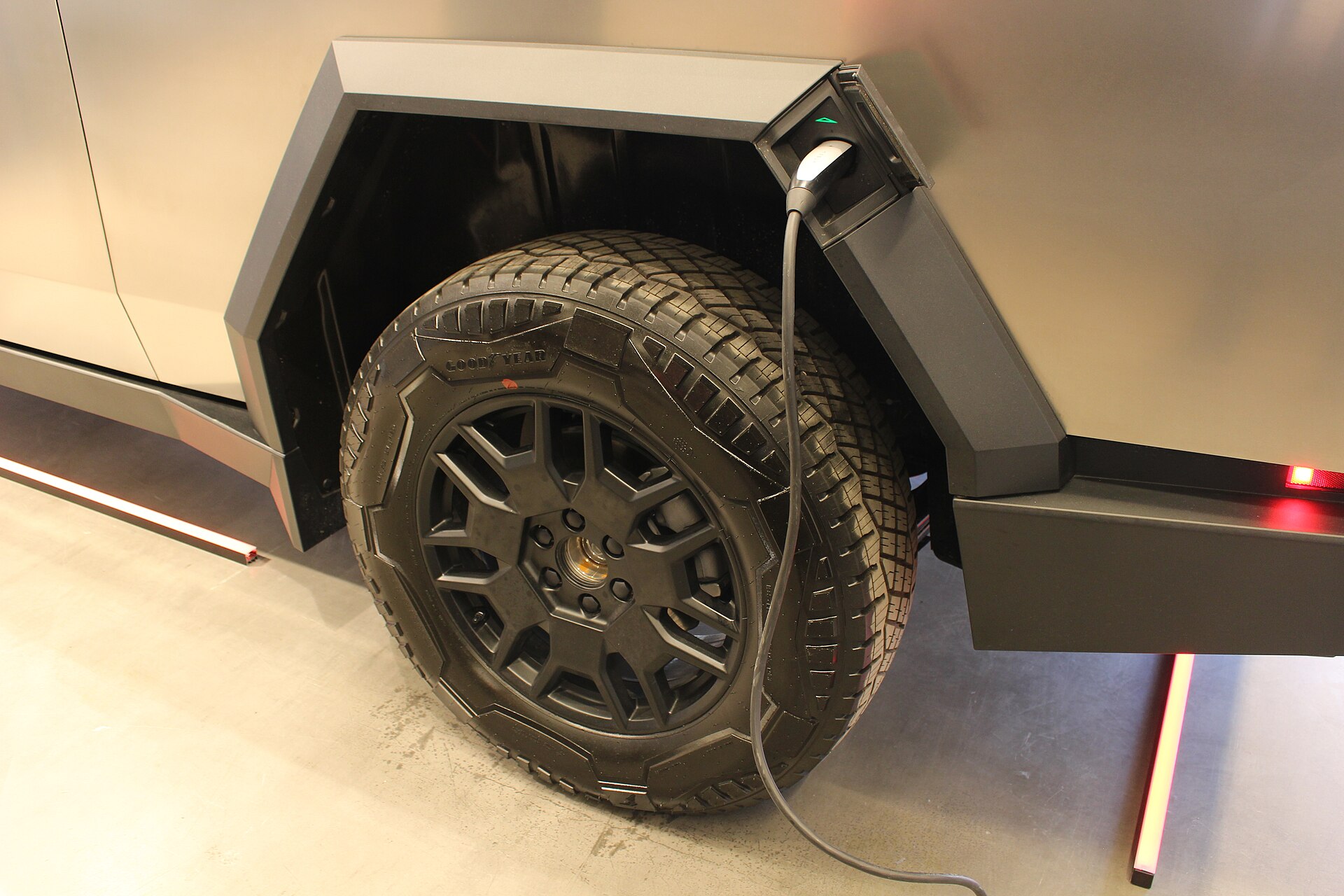
A reader on the r/electricvehicles forum bought a used CCS car, looked around their town, and noticed something the press releases gloss over. Every Level 2 charger at the library and parking garages is CCS. The local DC fast charger is CCS. Their home charger is CCS. And yet every automaker is telling them the future plug is NACS. The question is fair: if the installed base is CCS, why is the industry switching?
What actually happened
Regulators did not order the switch. Automakers made a procurement decision. Ford committed to NACS in May 2023, citing access to roughly 12,000 Tesla Supercharger stalls. GM followed two weeks later with the same reasoning. Once two of the Detroit Three had moved, the rest had little room to hold out. SAE then began standardizing the connector as J3400, the formal process that lets utilities, networks, and federal programs reference it.
The CCS network is not disappearing
Federal money built most of the new non-Tesla DC fast charging in the United States, and the FHWA's NEVI program still requires CCS on every funded site. NACS can be added, and CCS is the floor. Operators are responding accordingly. Electrify America said it will add NACS connectors across its network by 2025 while keeping CCS in place, which is the only sensible move when a large share of the cars at its stations have CCS ports and will keep having them for years.
Level 2 hardware is even slower to turn over. A J1772 wallbox installed at a library in 2022 will still be there in 2032. Adapters handle the rest. The reader is describing exactly what the transition looks like from inside it: CCS everywhere on the ground, NACS in the press releases, and adapters bridging the two.
AutonomyEV's opinion
The standardization itself looks defensible. The communication does not. Automakers sold NACS as a clean switch and it is not playing out that way. A buyer picking up a used 2022 or 2023 CCS car today will likely live with CCS for the full life of that vehicle, and the public network will still serve them well into the 2030s. The honest framing for new buyers is dual-standard for years, with NACS-native cars carrying a CCS adapter and CCS-native cars carrying a NACS adapter. Anyone telling a used-EV shopper that CCS is obsolete has not read the NEVI rules. The plug on the car matters less than the adapter in the trunk.

Comments
Closed.
Comments close 30 days after a piece runs. The thread on this one is locked.
Tips and corrections still welcome at tips@autonomy-ev.com.