Tesla's Wiper Problem Is a Tell on Its Self-Driving Pitch
If the same vision stack that misreads rain on a windshield is also steering the car, the gap between demo and shipped product matters.
Yair Knijn
Founder & editor-in-chief
- tesla
- fsd
- tesla-vision
- perception
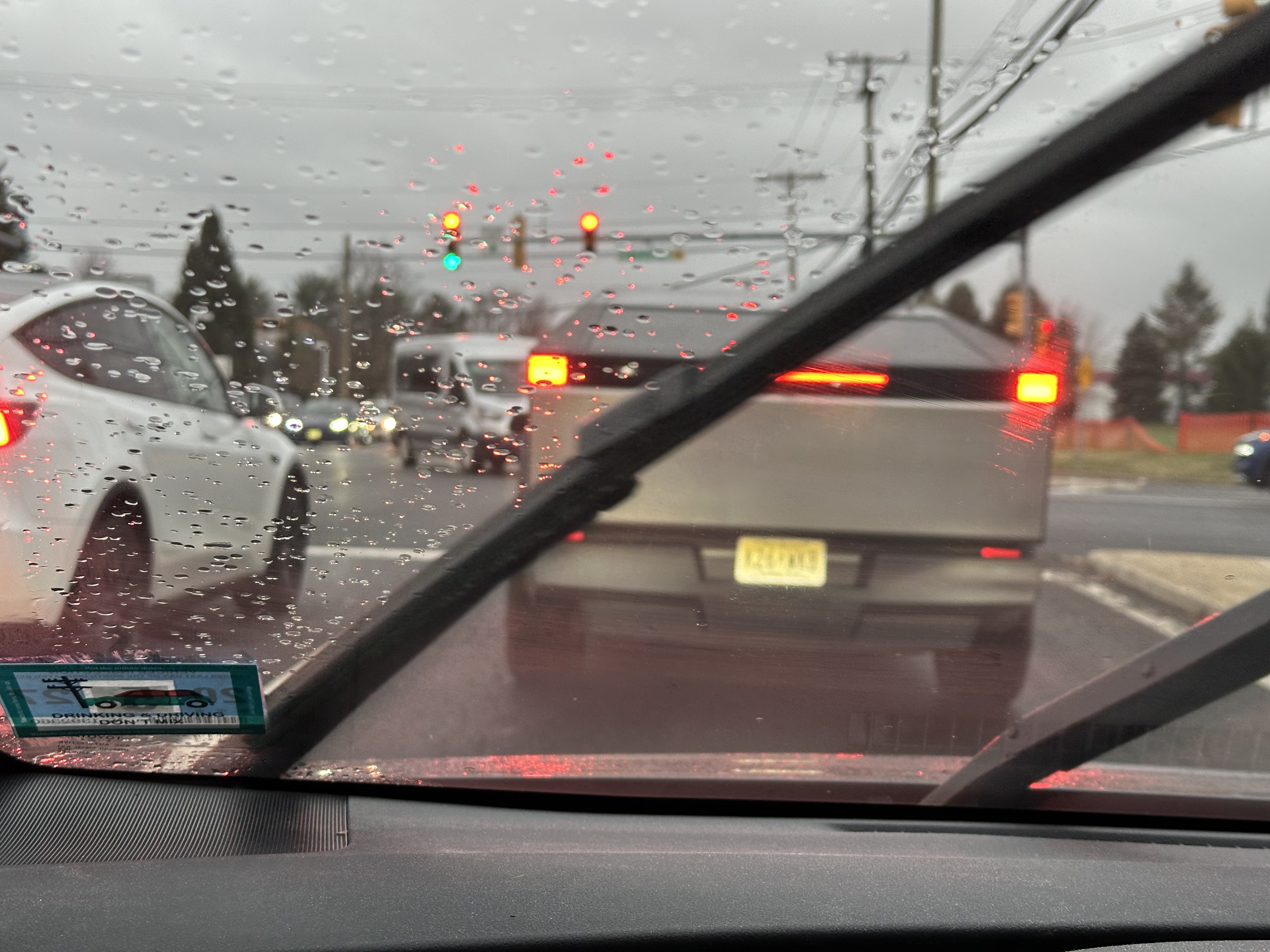
What CleanTechnica reports
CleanTechnica's column walks through a long-running owner complaint: Tesla's automatic wipers, which run off the forward cameras, still misjudge rain. The piece describes them smearing in drizzle, stalling in heavier weather, then sweeping dry glass after a storm passes. It frames the wiper as a small, closed test for the same perception stack that handles Autopilot and Full Self-Driving.
The argument is straightforward. The car already has cameras pointed at the windshield. If those cameras cannot reliably classify water on glass two feet in front of them, the harder claim that the same stack can drive in traffic deserves scrutiny. That framing comes from CleanTechnica, not from a regulator, and we are treating it as a hypothesis, not a verdict.
The Tesla Vision context
Tesla moved its cars to a camera-only perception system it calls Tesla Vision, removing radar and, later, ultrasonic sensors from new builds. That support page describes the transition and lists the features affected during the rollout, including automatic wipers. The wiper subsystem shares cameras and inference with the higher-level driving features rather than running on a separate dedicated sensor.
That shared dependency is what makes the wiper a useful diagnostic in principle. It runs against a static scene with a fixed lighting envelope and a single binary question. There is no pedestrian, no occlusion, no path planning. A persistent miss rate on that task is a data point about the camera and inference pipeline.
AutonomyEV's opinion
The wiper complaint is worth bothering with because it is cheap to evaluate. A driver can see the failure happen on the windshield, in real weather, on the same hardware Tesla points at the road. That makes it a sanity check for buyers and reviewers who cannot independently audit Autopilot or FSD performance, and who otherwise have to take Tesla's word for it.
We would put it this way. If the Tesla Vision stack still produces visible misses on a problem this constrained, claims about open-world driving need separate, independent evidence. Tesla can argue, plausibly, that wiper logic gets less compute and less training data than the planner. That argument is testable. Ship a wiper that works in rain, and one piece of supporting evidence appears. Until then, the CleanTechnica framing holds: the easy task on the easy hardware is the visible test, and customers can grade it from the driver's seat.
We are deliberately not extending the analysis to specific recall actions or NHTSA filings in this piece. Those exist and have been reported elsewhere, but they cover separate defects and software remedies, and we will cover them in their own article with the specific campaign documents in hand.

Comments
Talk back.
Disagreement is welcome. Personal attacks, slurs, and recycled press releases are not.
House rules: be useful, be brief, link your sources.