













Reddit Wants A Small Cheap EV. The U.S. Market Doesn't Sell One
A buyer on r/electricvehicles asked for a sub-Bolt commuter with 100 miles of range. The cars exist. Tariffs and homologation keep them out.
Yair Knijn
Founder & editor-in-chief
- small EVs
- tariffs
- affordability
- China
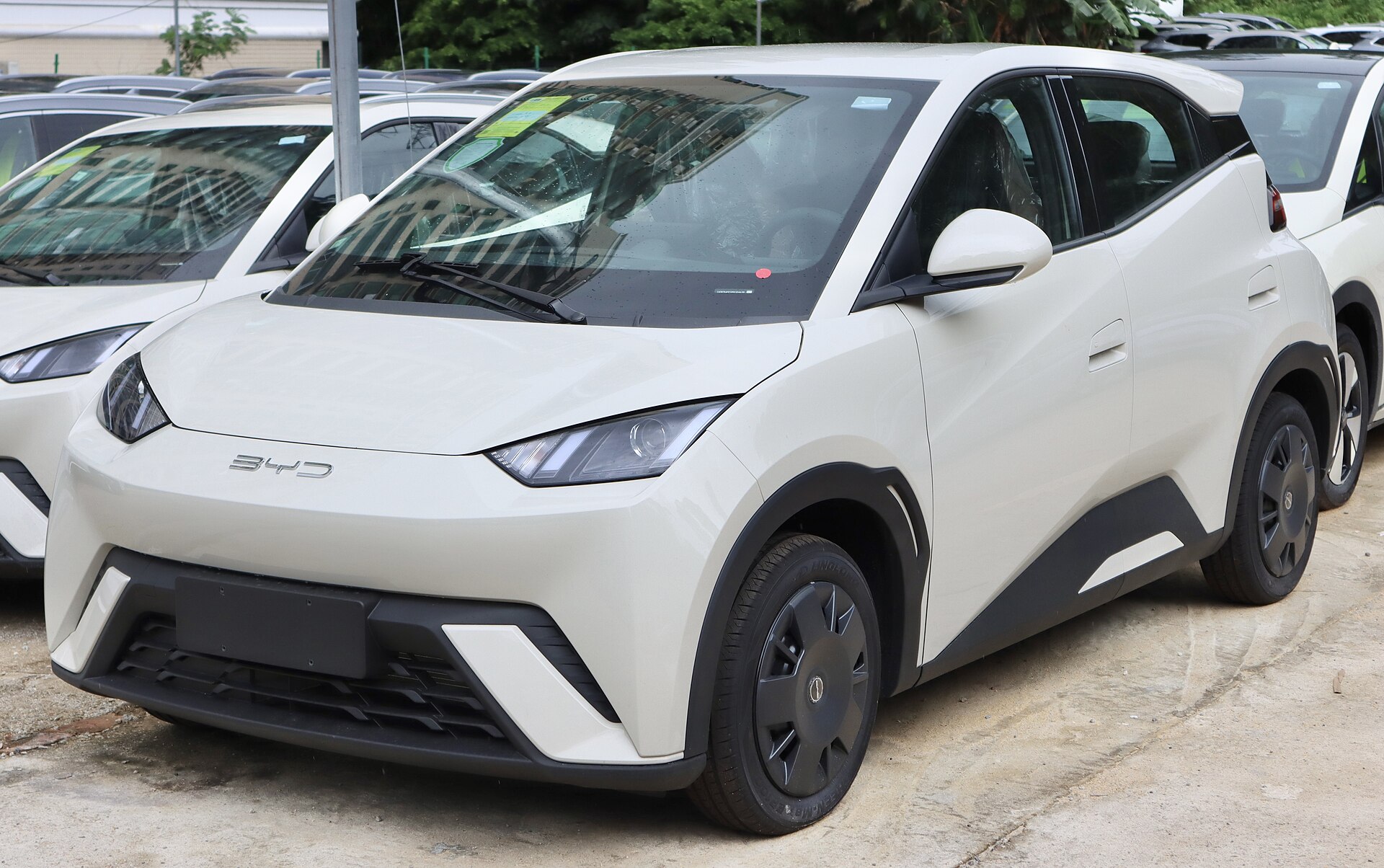
A shopper on r/electricvehicles asked a simple question this week: what is the smallest, cheapest EV you can buy for a short commute? They said 100 miles of range was fine. Every search returned the Chevy Bolt and Nissan Leaf. That is not bad searching. That is the U.S. market.
The thread is a market signal
The poster does not want a crossover. They do not want 300 miles of range. They want a small economy car that plugs in, and they are telling you that the federal government's own EV comparison tool returns the same two answers everyone else gets. The category they want, sub-compact battery commuter under $25,000, barely exists in American showrooms. Automakers have spent the last five years pushing margin upward through SUVs and trucks. The Bolt was discontinued, then promised back. The Leaf is on its third decade.
The cars exist, just not here
Europe sells the Dacia Spring, a roughly 1,000 kg hatchback with a 26.8 kWh pack, starting under £15,000 in the UK. China sells the BYD Seagull and the Wuling Hongguang Mini at price points the IEA's Global EV Outlook 2024 tracks as the floor of the global EV market, generally between $5,000 and $12,000 before export markup. These cars meet the Reddit user's spec almost exactly: small, cheap, 100 to 200 miles of range, built for cities.
They do not ship to the United States. The Spring is not federalized for FMVSS, and Dacia has no U.S. dealer network. The Chinese small EVs face a different wall.
Tariffs and homologation do the rest
In May 2024 the Office of the U.S. Trade Representative raised the Section 301 tariff on Chinese-made EVs to 100%. A $12,000 Seagull lands at the port closer to $24,000 before freight, dealer margin, and the cost of federalizing crash structures, lighting, and telematics for U.S. rules. By the time a Chinese small EV could be legally sold in California, it would cost what a base Bolt costs, and it would be smaller and slower. There is no business case for the importer.
European automakers have the same math in reverse. Stellantis can sell a Fiat 500e in the U.S. only by pricing it against the Mini Cooper SE, not against the Spring. Volkswagen killed the e-Up. The economics of homologating a sub-$20,000 car for one market do not work when American buyers will be steered toward a crossover with double the margin.
AutonomyEV's opinion
The Reddit poster is not confused. They have correctly identified a hole in the U.S. lineup that policy and product strategy created together. Tariff walls protect domestic assembly, which is a defensible goal, but they also lock out the segment where EVs make the most sense as a second car. Until a domestic OEM commits to a real sub-$25,000 commuter, or until a Mexican-assembled small EV slips under the tariff line, the answer to this thread will keep being the Bolt and the Leaf. That is not a market. That is a default.

Comments
Closed.
Comments close 30 days after a piece runs. The thread on this one is locked.
Tips and corrections still welcome at tips@autonomy-ev.com.