













US EV Sales Are Stuck. Gas Prices and Subaru May Move Them.
US EV growth has flattened. A Middle East gasoline shock and a loyal-buyer Subaru crossover are the near-term variables, but pricing, not billboards, decides when volume returns.
Yair Knijn
Founder & editor-in-chief
- ev-sales
- us-market
- subaru
- gas-prices
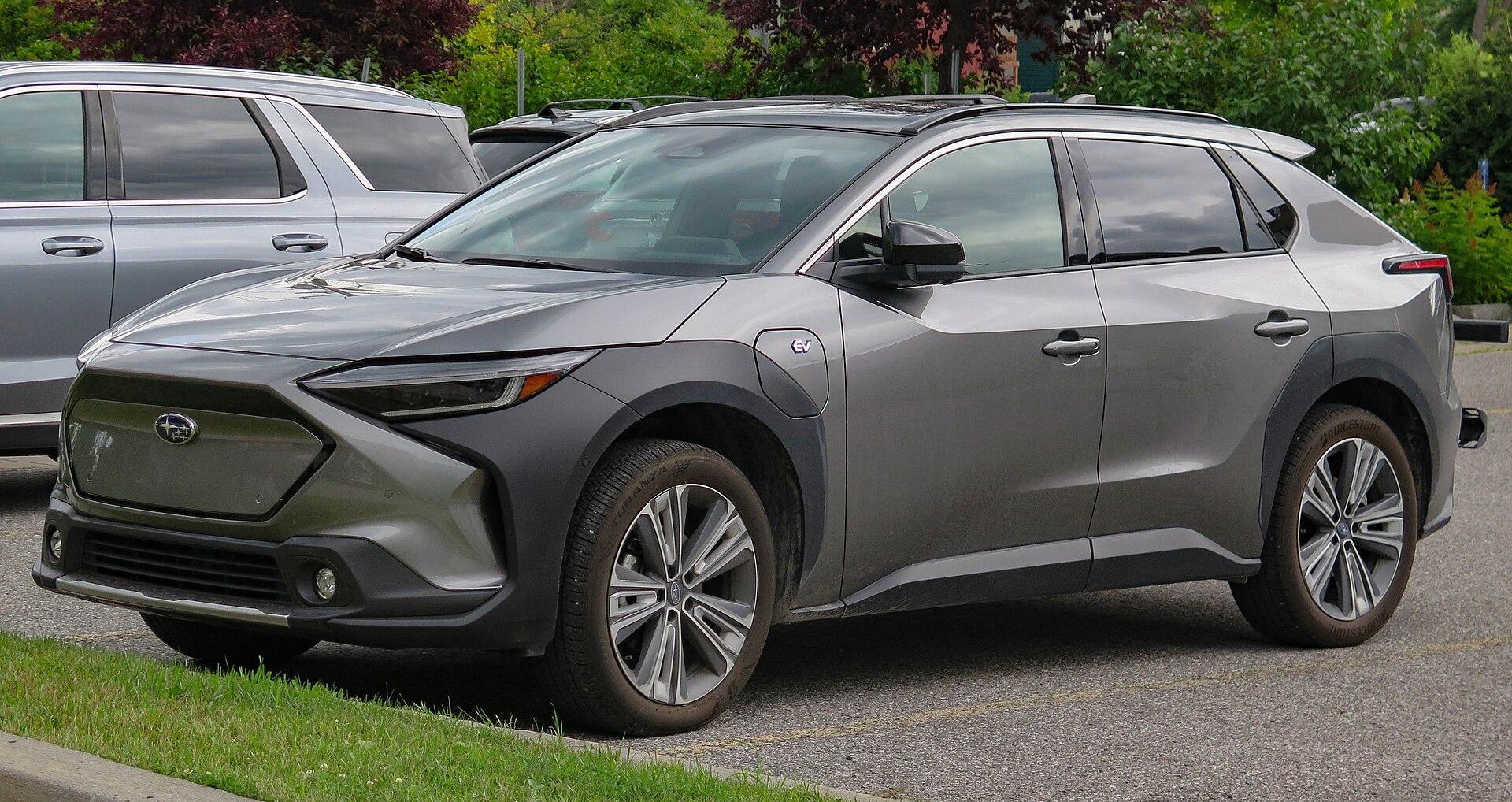
US EV sales did not stall because buyers suddenly decided combustion was better. The easy upgrades sold first while federal incentives wobbled, and most automakers then priced their second wave of electric vehicles above what the median new-car buyer can afford. That is the backdrop for CleanTechnica's weekend question about when volume actually picks up again.
The numbers behind the plateau
US EV share has hovered in the high single digits for several quarters. Cox Automotive's Q1 2025 tracker shows sales up roughly 10% year over year, with EVs accounting for about 7.5% of new-vehicle deliveries. Growth still depends on a small set of nameplates and heavy incentives. Tesla volume is soft. GM is finally shipping Ultium models in quantity. Hyundai and Kia are carrying more weight than their dealer footprint might suggest. Strip out leasing and the picture gets thinner, because a large share of non-Tesla EV deliveries are leases written against the commercial clean-vehicle credit rather than retail conviction.
CleanTechnica also reported that Electric For All ran billboards near gas stations in 15 cities over Memorial Day. That detail has not been independently verified here, but as a reported campaign it fits the moment: when the product story is not landing on its own, advocates stand next to the pain point.
Two shocks that could move the needle
The CleanTechnica piece points at a Middle East flare-up and Subaru's electric lineup, centered on the Solterra with the Trailseeker mentioned in passing, as near-term variables. Both are real. Neither is a guaranteed savior.
Gasoline is the more direct lever. The EIA's weekly fuel report shows US pump prices reacting within days to crude disruptions. Historically, a sustained move above roughly four dollars a gallon is when EV configurator traffic and hybrid waitlists swell. A short spike does not change buying behavior. A six-month plateau does. Al Jazeera reported that US gasoline costs about 50% more than before the Iran war, with AAA's national average near $4.48 a gallon as Strait of Hormuz crude disruption fed through to the pump.
The 2026 Subaru Trailseeker is one of several Subaru variables worth watching. It is a real EV on the shared Toyota bZ platform. Subaru's buyer base is unusually loyal and unusually rural, two segments EVs have struggled to reach. Pricing matters here too: the base Premium Trailseeker starts around the low 40,000s including destination, which puts it closer to 40,000 dollars than to the overpriced second-wave cohort. If Subaru dealers can move units without discounting the Forester underneath, that is a signal. If they cannot, the platform problem is bigger than any one brand.
AutonomyEV's opinion
The honest answer to CleanTechnica's headline question is that US EV sales pick up when affordable crossovers finally land at scale and the federal credit structure survives the next budget cycle intact. A sustained gasoline shock would help, but it is the weakest lever because buyers forget a spike fast. Neither of the structural conditions is fully in place today, and only one looks likely by late 2026.
Billboards do not move metal. Pricing does. Several automakers complaining loudest about soft EV demand are still asking roughly 55,000 dollars for vehicles that compete with a 38,000 dollar RAV4 Hybrid. The Trailseeker is a partial exception near 40,000 dollars. Until more of the market closes that gap, expect the plateau to hold, and expect leasing to keep doing the heavy lifting the sticker price cannot.

Comments
Closed.
Comments close 30 days after a piece runs. The thread on this one is locked.
Tips and corrections still welcome at tips@autonomy-ev.com.