













Where Classic EV Conversions Actually Work, and Where They Don't
France wrote a rulebook, the UK leans on individual approval, and Norway leaves builders stuck. The gap shapes where the conversion trade can grow.
Yair Knijn
Founder & editor-in-chief
- retrofit
- classic-ev
- regulation
- europe
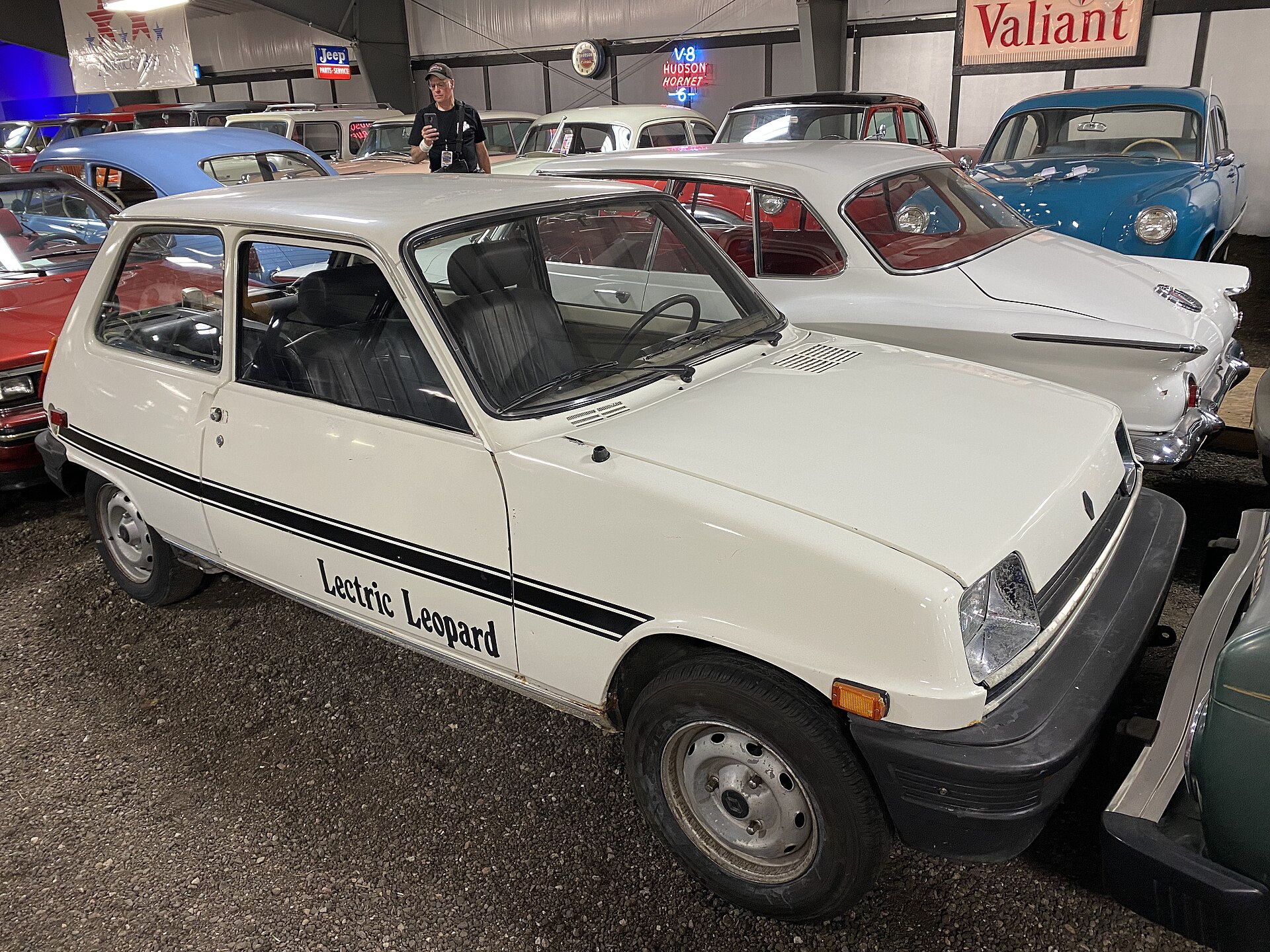
If you want to pull the engine out of a 1972 Mercedes and drop in a Tesla drive unit, the country you live in decides whether that is a weekend project or a five-year fight. The hardware is the easy part. The paperwork is where conversions live or die.
The Norwegian paradox
Norway has the highest BEV share of any car market on earth and an unusually deep pool of crashed Teslas, Leafs, and ID.3s sitting in salvage yards. It should be the natural home of the conversion trade. It is not. Teknisk Ukeblad reports that builders are running into a wall at Statens vegvesen, with approvals for converted EVs described by shops as almost impossible to obtain in practice. The country with the most batteries and motors per capita has no working path to put them in an old shell legally.
France wrote the rulebook
France took the opposite approach. The Arrêté du 13 mars 2020, published in the Journal Officiel, set national technical conditions for converting a combustion vehicle older than three years (five for two-wheelers) to electric drive. The decree defines battery placement, mass limits, and who can sign off the work. It created a category called rétrofit électrique that registered installers can deliver, and that the préfecture will actually register on the carte grise. The result is a small but real industry of certified converters working on 2CVs, R5s, and delivery vans.
The UK route, and the German one
The UK has no dedicated retrofit law, but it has a workable backdoor. DVSA's Individual Vehicle Approval covers modified and low-volume cars, and conversion shops use it routinely. That is how Electrogenic sells off-the-shelf kits for the Land Rover Series, classic Mini, Porsche 911, and Jaguar E-Type, with documentation packaged for IVA submission. Germany sits in the middle. Every conversion needs an Einzelabnahme nach §21 StVZO signed by TÜV or DEKRA. It is expensive and slow, but it is a defined process with a defined cost, which is more than Norwegian builders get.
AutonomyEV's opinion
The conversion market follows regulatory clarity, not battery supply. France has the clearest framework in Europe and the most active certified installer network. The UK has the deepest commercial conversion industry because IVA is a known quantity that insurers and buyers trust. Germany is workable if you have the budget. Norway, despite owning the raw material, has the worst environment in the region for this work, and the TU reporting makes clear that the bottleneck is administrative, not technical.
For a Norwegian regulator that already accepts 90 percent BEV sales as policy success, refusing to write a retrofit rule looks like an oversight. A decree modeled on the French one would unlock a domestic skills base, extend the life of vehicles already on the road, and put salvaged Norwegian battery packs to work instead of shipping them out for recycling. The cheapest decarbonization is the car you do not scrap.

Comments
Closed.
Comments close 30 days after a piece runs. The thread on this one is locked.
Tips and corrections still welcome at tips@autonomy-ev.com.