













XPENG P7+ Review Hype Meets the Pure-Vision ADAS Bet
A reviewer calls it luxury for less. The real story is XPENG dropping lidar on its new flagship sedan and betting its assisted-driving roadmap on cameras alone.
Yair Knijn
Founder & editor-in-chief
- xpeng
- adas
- pure-vision
- china-ev
What the review actually shows
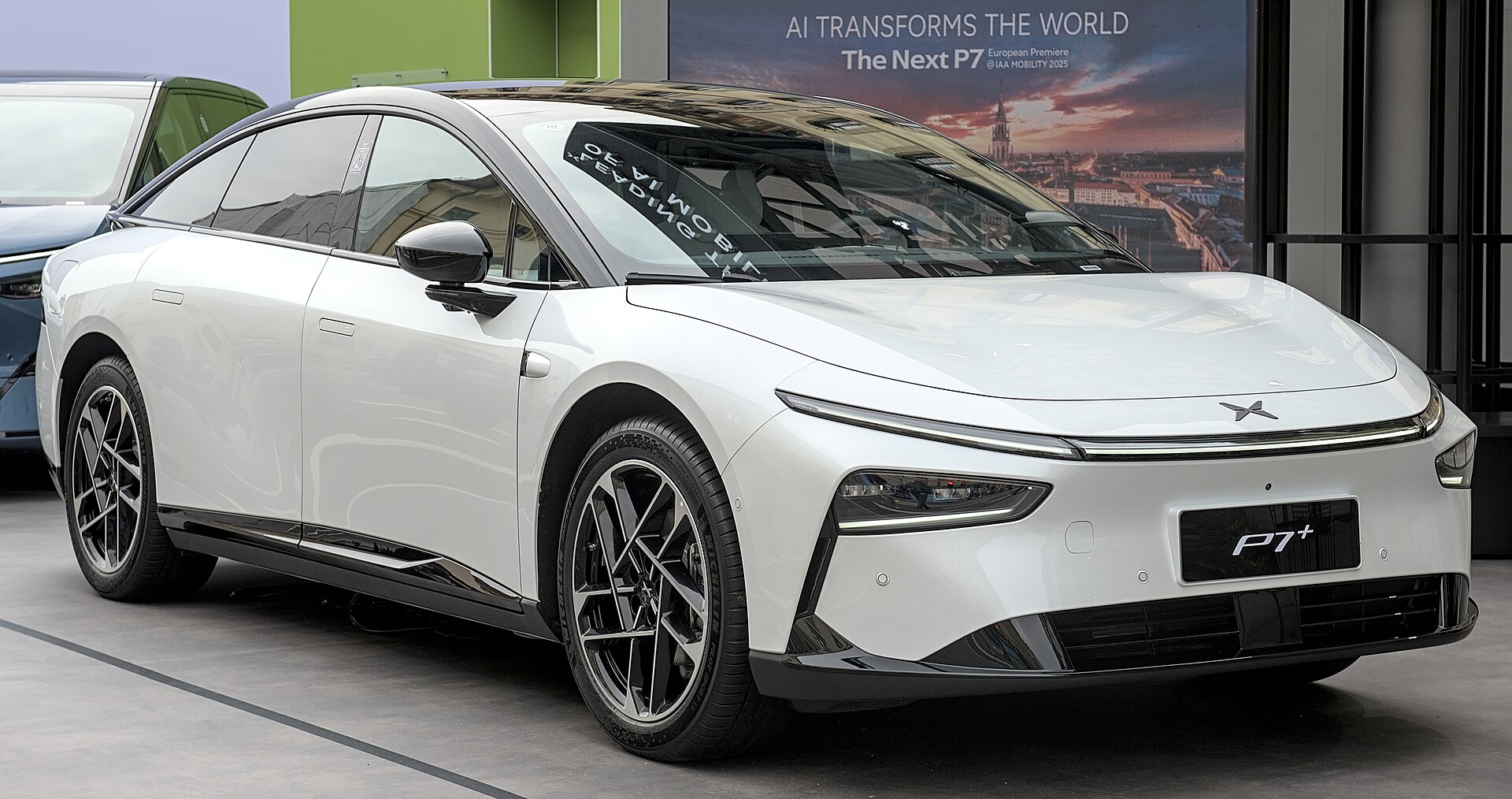
A YouTube walkthrough frames the new XPENG P7+ as luxury for less, running through cabin trim, screen layout, ride quality, and the price tag. That framing works for retail buyers. For anyone tracking autonomy, the more interesting detail sits on the roof and front bumper, where lidar used to live on XPENG's Max trims. The P7+ ships without it.
The pure-vision shift
XPENG launched the P7+ on November 7, 2024 with a starting price of 186,800 yuan. The car is the first XPENG model to drop lidar for pure-vision Hawkeye, a perception stack that runs the company's XNGP highway and urban assist features without lidar or high-definition maps, according to CnEVPost. XPENG's communications around XNGP describe cameras plus end-to-end neural networks as the long-term path to wider rollout.
That is a real shift. XPENG's existing Max trims on models like the G6 and G9 still carry lidar today. Pulling the sensor out of a 5-meter sedan that XPENG is using as its new reference point, rather than a budget compact, signals that XPENG plans to defend the choice on capability and on bill of materials.
What buyers actually get
The P7+ pairs dual Nvidia Orin X compute with 11 cameras across two trims, with CLTC range rated at 602 km or 710 km depending on battery. No 800-volt architecture, which is the obvious cost lever at this price. The review notes interior fit and ride quality that punch above the sticker, and that part tracks with other Chinese walkthroughs of the car.
The harder question is whether AI Hawkeye actually matches the lidar-equipped Max trims on unprotected left turns and in construction zones, especially when rain degrades camera performance at night. XPENG has not published failure-rate or disengagement data for the P7+ stack, and Chinese regulators do not require disclosure the way California's DMV does for driverless permits.
AutonomyEV's opinion
Treat the luxury-for-less framing as marketing. The signal worth tracking is XPENG joining Tesla, and increasingly BYD's God's Eye program, in committing volume product to vision-only assisted driving. If XPENG delivers XNGP parity without lidar across a year of customer driving on the P7+, the lidar-on-every-Max-trim approach used by rivals like NIO and Li Auto starts to look expensive for what it buys. If parity does not show up, XPENG will have shipped a hardware regression to roughly a hundred thousand buyers, and the recovery cost is a retrofit nobody wants to fund.
Watch the OTA release notes through 2026. That is where this bet either pays off in measurable XNGP coverage gains or quietly gets walked back.


Comments
Closed.
Comments close 30 days after a piece runs. The thread on this one is locked.
Tips and corrections still welcome at tips@autonomy-ev.com.