













Xpeng ships robotaxis, Tesla ships FSD in China, Nio shouts at the rain
China EV signals from two weeks: Xpeng mass-produces a robotaxi on in-house silicon, Tesla finally ships FSD Supervised in China, and Nio calls the price war structural decay.
Yair Knijn
Founder & editor-in-chief
- xpeng
- tesla-fsd
- nio
- china
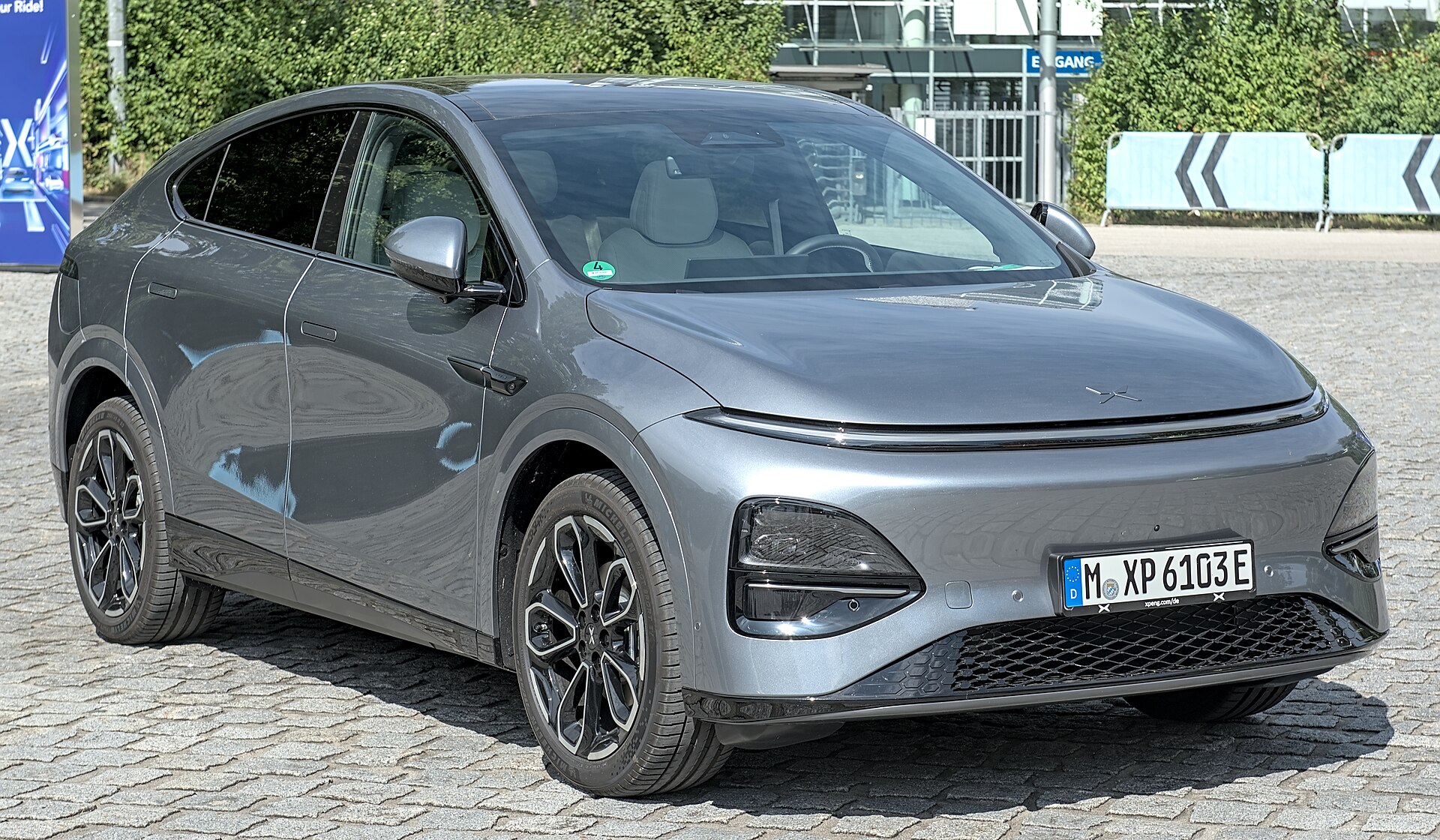
Two weeks of China EV news produced three signals that deserve more than a headline skim. A South China Morning Post roundup grouped them together, and the stories share a thread: autonomy economics and competitive posture are shifting faster than sticker prices suggest.
Xpeng goes vertical on robotaxis
Xpeng has moved its robotaxi program from slideware to mass production, building the fleet around self-developed Turing AI silicon rather than Nvidia or Mobileye. Electrek reported that XPeng rolled the first mass-produced robotaxi off the line in China, a domestic first for a volume OEM. According to TechNode's reporting on Xpeng's 2026 targets, the program runs on four in-house Turing chips rated at roughly 3,000 TOPS, with trial operations planned for the second half of 2026 and driverless service targeted for early 2027.
Anyone can assemble a robotaxi prototype. The harder question is who can own the compute bill of materials and still clear a margin when per-mile costs settle. If Chinese robotaxi unit economics land where operators like Baidu and Pony.ai have projected, in-house silicon separates a thin profit from none at all. Tesla made a similar wager years ago with HW3 and HW4. Xpeng appears to be the first Chinese OEM to pursue that vertical stack end to end.
Tesla finally turns on city driving in China
Tesla has activated city-street driver-assist features for Chinese owners after years of delay. CNBC noted that the company brought FSD (Supervised) to China as local rivals extended their leads. CNEVPost confirmed that Tesla listed FSD Supervised as available in China as of May 21, 2026.
Regulation still shapes the product. Tesla must train on data it cannot freely export and operate without the high-definition map layers that many domestic stacks use as a safety net. That places Tesla on the same city streets as Xpeng's XNGP, Huawei's ADS, and Li Auto's AD Max, rivals that have had roughly two years of on-road iteration inside China. Tesla's assist stack may still be competitive globally, yet inside China the local stacks have the advantage of having driven there.
Nio says the quiet part loud
Nio's leadership used the same stretch of news to argue again that aggressive discounting is eroding the industry it was meant to consolidate. Automotive News quoted CEO William Li saying China's auto market has moved past its "golden era," a framing that treats today's price competition as structural rather than temporary. The South China Morning Post reported separately that Nio slammed EV price wars as input costs rise, even as rivals such as Li Auto continue cutting.
Nio has a point about margin destruction, yet it lacks the leverage to halt the cycle. The company still burns cash per delivery. Calling for discipline from BYD and Geely while carrying a weaker balance sheet reads as positioning, not policy.
AutonomyEV's opinion
These three stories point to the same competitive axis: who controls the stack beneath the vehicle. Xpeng's in-house silicon and a production robotaxi line buy it optionality. Tesla's China FSD launch buys time on streets where domestic rivals already log miles. Nio's price-war rhetoric buys little beyond headlines while balance sheets decide the fight.
When Xpeng's first fleet moves from trial to revenue service, its unit economics will matter more than any press tour. That number will show who is building a business.

Comments
Closed.
Comments close 30 days after a piece runs. The thread on this one is locked.
Tips and corrections still welcome at tips@autonomy-ev.com.