













BMW's Cheaper Neue Klasse: Reading The Entry EV Move
BMW is reportedly building a smaller Neue Klasse EV below the iX3 and i3, targeting a 1 Series sized car around 2028. The move says more about cost structure than lineup.
Yair Knijn
Founder & editor-in-chief
- bmw
- neue-klasse
- affordable-ev
- platform
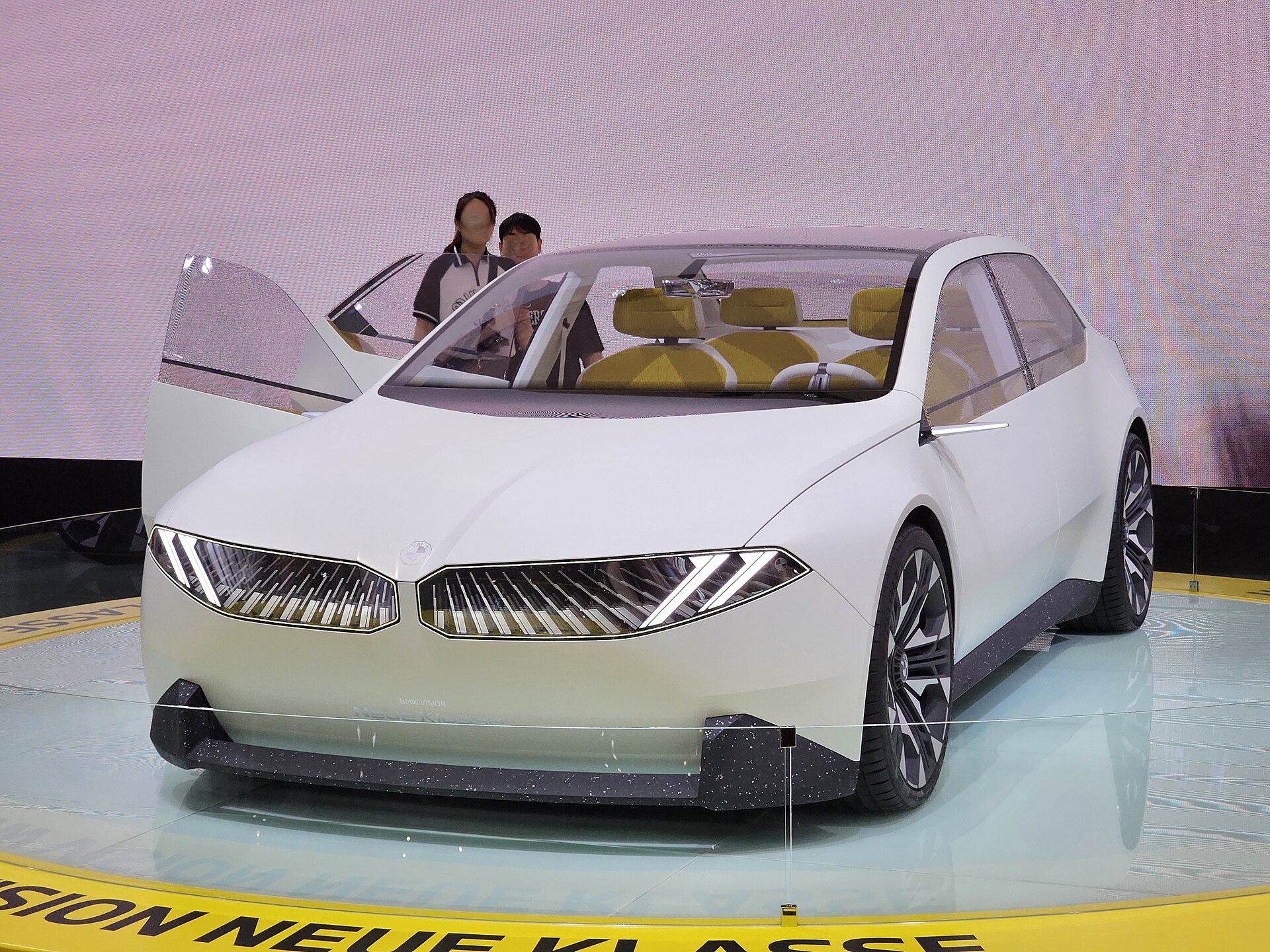
BMW's Neue Klasse pitch has always been a platform story dressed up as a product story. The iX3 reveal got the headlines, but the interesting question was always what BMW does below it. InsideEVs reports that the company is working on a cheaper Neue Klasse car positioned beneath the iX3 SUV and the i3 sedan, with a 1 Series successor as the likely shape.
That is the right read of where BMW has to go, and the timing fits what Electrek frames as a push to keep the brand young: a smaller EV sized like today's 1 Series, aimed below the iX3 and i3, with a roughly 2028 window and a price target around £30,000 or about $40,300.
What is actually being reported
The InsideEVs piece frames this as a smaller Neue Klasse model, sized roughly where the current 1 Series sits, built on the same sixth-generation cylindrical cell architecture BMW is using for the iX3 and the upcoming i3 sedan. The car is described as in development rather than confirmed for a specific market window, and BMW has not officially put a price band on it in that report.
What BMW has confirmed on the platform side, through the iX3 launch coverage, is round cells, 800V, a new four-computer electrical and software stack, and a multi-model rollout starting with the iX3 as the first Neue Klasse production model. The iX3 pack uses 108.7 kWh of usable cylindrical-cell capacity on sixth-generation eDrive hardware, and WardsAuto notes the architecture is meant to underpin at least six models. A smaller bodystyle on the same stack is the cheapest extension BMW can make once the heavy engineering bill for the platform is already paid.
Why the entry car matters more than the iX3
The iX3 sells the platform to existing BMW buyers. A cheaper Neue Klasse car is the one that has to justify the capital spend.
Cell sourcing will matter early. BMW's cylindrical cells come from external partners under contracts, including a framework agreement with CATL to supply 46mm cylindrical cells for Neue Klasse models from 2025, with production planned in China and Europe. A smaller car with a smaller pack is where pack cost per kWh shows up in the sticker. The body shape matters for a different reason: a hatchback or compact sedan on Neue Klasse would compete directly with the cars Chinese OEMs are exporting into Europe today, a fight BMW has not yet had to take in volume. Software spreads the bill across the range. The new stack is shared, so the entry car carries the same compute and ADAS overhead as the iX3, which makes the margin math harder at lower price points.
The open question is whether the platform can carry a sub-iX3 price without eroding the brand's premium positioning, given BMW clearly has the engineering capacity to build the car itself.
AutonomyEV's opinion
A cheaper Neue Klasse is the logical move and probably an overdue one. BMW spent the engineering money on a platform designed to scale, and leaving the bottom of the lineup on combustion or the aging current 1 Series electric variants would waste that spend.
The risk sits in the price. If the smaller Neue Klasse arrives at a number that looks like a premium hatch in 2024 rather than a competitive EV in 2027, it will sell to the existing BMW base and little beyond it. The interesting version of this car is the one that forces BYD and the next wave of Chinese compacts in Europe to respond on price. Anything else is a line extension.

Comments
Closed.
Comments close 30 days after a piece runs. The thread on this one is locked.
Tips and corrections still welcome at tips@autonomy-ev.com.