













BYD Blade teardown: 170 cells, 40-hour freeze, 8 hours to crack open
A filmed BYD Blade pack disassembly froze the LFP design for about 40 hours, then took engineers roughly eight hours to extract 170 prismatic cells from the structural tray.
Yair Knijn
Founder & editor-in-chief
- BYD
- Blade Battery
- LFP
- cell-to-pack
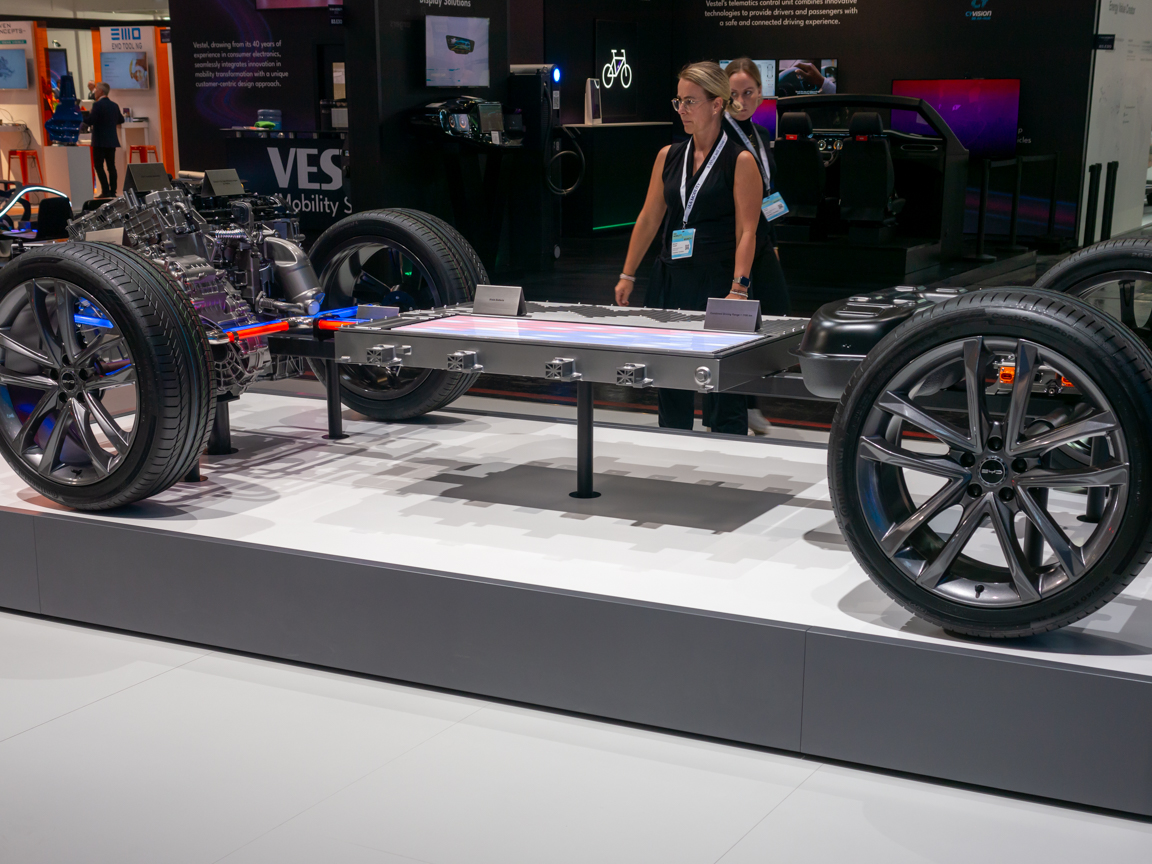
A filmed Blade pack disassembly, reported by CarNewsChina, shows engineers leaving the pack in a freezer for roughly 40 hours before spending about eight hours extracting 170 prismatic LFP cells from the structural tray. The team filmed every step and answered the obvious question: why does it take a working day to open one of these packs?
What the 40-hour freeze actually does
Cooling the pack to deep sub-zero temperatures is meant to stiffen the structural adhesives bonding the cells to the tray. According to the CarNewsChina write-up, which draws on a video the teardown team posted, the freeze is the method that team used to embrittle the adhesive so the cells could be separated without rupturing the casings. Whether that workflow matches BYD's own internal service procedure is not addressed in the report, and BYD has not publicly published a step-by-step dismantling spec we can point to.
170 cells, one structural tray
The cell count matters because Blade uses long cells arranged in a module-free, cell-to-pack layout: each long-format LFP cell runs the width of the tray and carries load, with no module layer in between. BYD describes the same approach on its technology page, and the teardown made that architecture tangible. Cells are glued in individually, and there is no quick way to lift one out without softening the bond first.
BYD engineers in the video, as quoted by CarNewsChina, defended the eight-hour figure by arguing that authorized service centers handle the work with jigs and temperature-controlled plates rather than hand tools, and that swap-style field repair was never the design intent.
What the teardown does not answer
Two questions linger. First, what is the actual yield of reusable cells after a 40-hour freeze and eight-hour pry-out? No number was published. Second, what does an out-of-warranty Blade pack repair cost a customer outside the OEM network? Also unanswered.
AutonomyEV's opinion
The following is opinion, not reporting. Cell-to-pack is a one-way bet. You gain pack density and a lower bill of materials, and you give up easy field serviceability while concentrating repair capability inside the OEM's network. That trade-off is visible in this teardown even without putting a percentage on it.
There is also a regulatory layer the video does not discuss. High-voltage EV battery service is restricted work in most major markets, and independent shops are generally limited in what they can legally do with a live traction pack regardless of whether they own a freezer. So the practical answer for a damaged Blade pack is almost always: it goes back through the OEM channel. Other OEMs face similar constraints. Blade's cell-to-pack layout still leaves owners more dependent on the manufacturer's repair network than a modular pack would.
For buyers, the useful question to put to a salesperson, in writing, is what an out-of-warranty pack incident actually costs and where the nearest authorized facility is. The brochure density numbers are real. So is the service footprint behind them.

Comments
Closed.
Comments close 30 days after a piece runs. The thread on this one is locked.
Tips and corrections still welcome at tips@autonomy-ev.com.