













BYD hires Nissan kei veteran for Racco, its Japan-only EV bet
A career kei-car engineer from Nissan moves to BYD's Racco team, signaling BYD treats Japan's 660cc segment as a serious product line rather than a showroom prop.
Yair Knijn
Founder & editor-in-chief
- BYD
- kei car
- Japan
- EV strategy
The hire
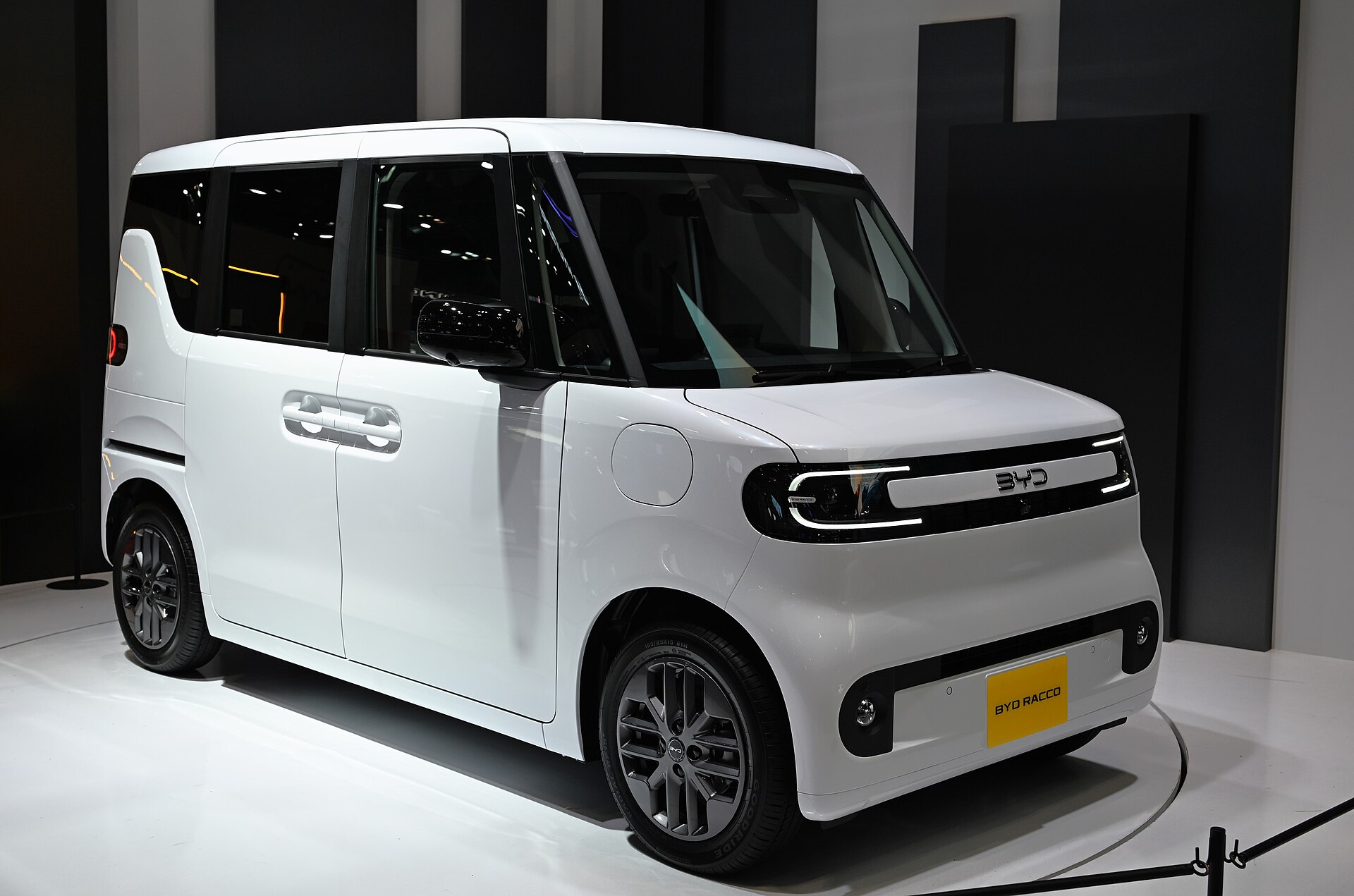
CarNewsChina reports that BYD has recruited a Nissan veteran with decades on K-Car programs to lead engineering on Racco, the kei-class EV BYD plans to launch in Japan. The hire was not announced through BYD's official Japan channels at the time of writing, and the name was not disclosed by the original report.
This matters because kei cars sit in their own regulatory class, separate from compacts. The class has hard ceilings on length, width, height, engine displacement on ICE, and a power cap that applies to EV motors as well. Miss any dimension and the vehicle loses the kei tax band, the cheaper parking-certificate treatment in many municipalities, and the yellow license plate that buyers actually want.
Why kei is hard for outsiders
Kei is a large share of new passenger car sales in Japan, the kind of volume that the industry body JAMA tracks separately from registered cars. The segment is owned by Suzuki, Daihatsu, and Honda on ICE, with Nissan and Mitsubishi splitting the small EV slice through the Sakura and eK X EV twins that launched in 2022.
The engineering constraints are unusual. Packaging a 20 kWh-class pack under a kei footprint while keeping usable rear-seat space and a credible crash result is a tight optimization. The Nissan Sakura uses a 20 kWh pack and publishes its WLTC range on the model page. BYD's Blade chemistry gives it a cell-level density advantage, though the body-in-white, crash structure, suspension geometry, and HVAC have to be designed to Japanese kei norms. That is institutional knowledge you cannot import from a Chinese supplier base. Hence the hire.
BYD Auto Japan currently sells the Atto 3, Dolphin, and Seal. None are kei. Racco would be the first product where BYD has to win on Japanese terms instead of offering a global model at a sharp price.
AutonomyEV's opinion
A single hire does not make a product, though the choice is informative. BYD could have parachuted in Chinese engineers and treated Japan as a price war. Instead it is buying the regulatory and packaging muscle memory that Nissan and Suzuki took two decades to build. That suggests Racco is being designed against the kei rulebook from day one rather than retrofitted from a global platform, which is the only way a foreign brand has a chance in this segment.
The harder question is distribution. Sakura is sold through Nissan's national dealer network with service infrastructure and trade-in flows. BYD's Japan footprint is concentrated in metro areas, while kei buyers skew rural and older. Winning the engineering fight without solving the dealer fight will leave Racco as a Tokyo curiosity. Watch the dealer count as closely as the spec sheet.
Source notes
- BYD hired Nissan K-Car veteran to crack Japan's Racco EV market, supports: BYD has hired a Nissan K-Car veteran to lead engineering on the Racco kei EV project for Japan.
- Japan Automobile Manufacturers Association, supports: Kei cars are a major share of new passenger car sales in Japan and sit in a distinct regulatory class.
- Nissan Sakura model page, supports: Nissan Sakura is a kei EV with a 20 kWh pack and a WLTC range figure published by Nissan.
- BYD Auto Japan, supports: BYD Auto Japan currently sells the Atto 3, Dolphin, and Seal in Japan, none of them kei-class.

Comments
Closed.
Comments close 30 days after a piece runs. The thread on this one is locked.
Tips and corrections still welcome at tips@autonomy-ev.com.