













BYD wins appeal against EV blogger, court keeps $293K defamation award
A Chinese appellate court upheld BYD's 2 million yuan defamation win against an EV blogger, roughly 293,000 USD, and kept the court-ordered public apology in place. The verdict is now final.
Yair Knijn
Founder & editor-in-chief
- byd
- china
- defamation
- legal
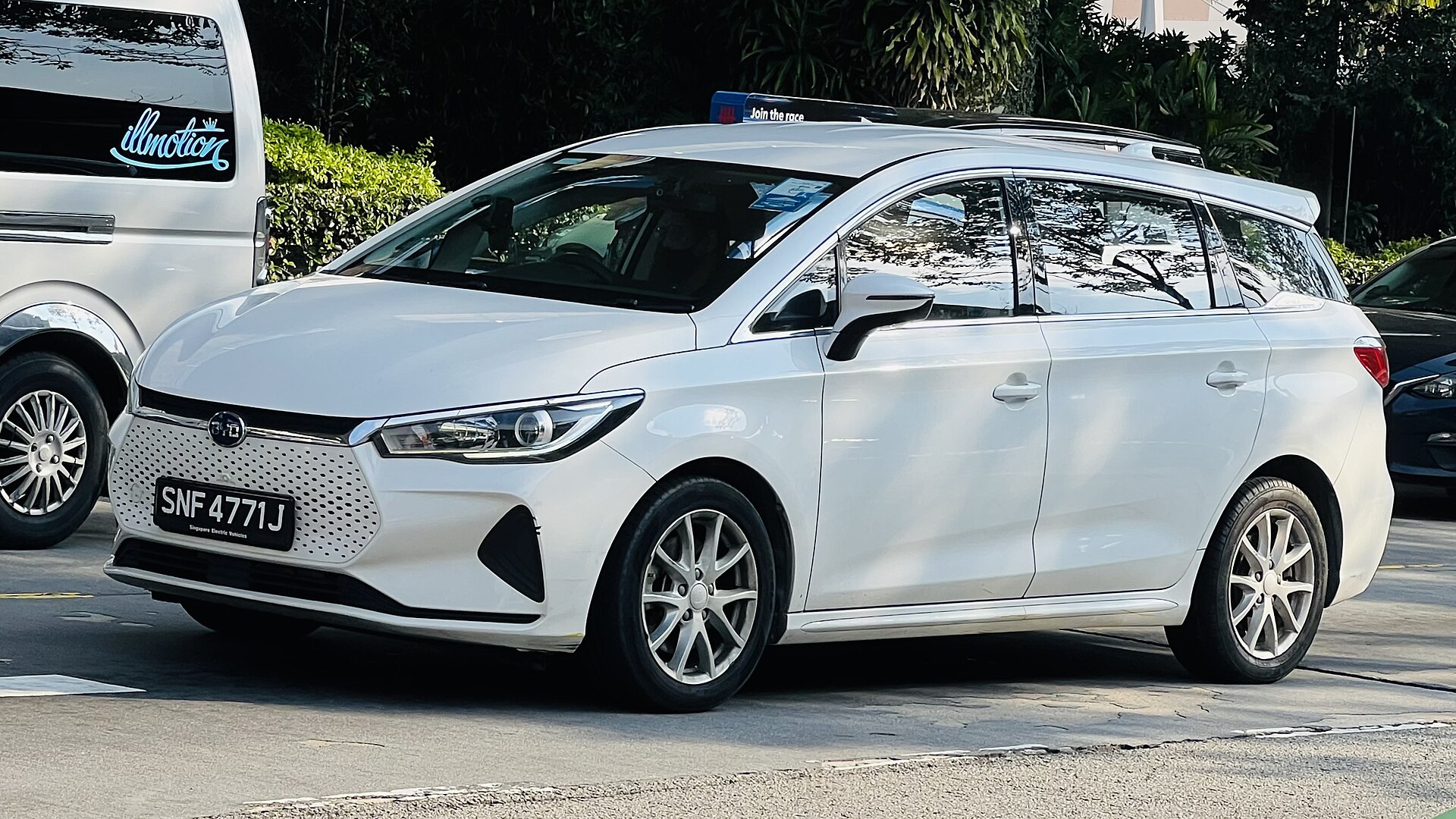
The ruling
A Chinese second-instance court has upheld a 2 million yuan defamation award against an EV blogger, roughly 293,000 USD, plus a court-mandated public apology, according to CarNewsChina. CnEVPost confirmed the same appellate outcome and reported that the apology video was posted on May 16. The creator, known online as 龙哥讲电车, had published videos making claims about BYD product quality and corporate conduct. A lower court found the material defamatory. The appellate panel agreed and left the full damages in place, with the apology required to remain visible on his channels.
The award ranks among the larger individual judgments a Chinese automaker has secured against an independent creator. With the second-instance ruling in place, the case is effectively closed.
Why BYD keeps suing
BYD, which has grown into one of the world's largest EV makers, treats online criticism as a legal problem. CarNewsChina's reporting describes the blogger publishing critical content over an extended period before BYD filed suit. The company maintains a legal affairs team that monitors video platforms and pursues creators it believes are spreading false claims.
That posture fits a wider industry pattern. CnEVPost reported in late 2024 that several Chinese EV automakers, including NIO, Xiaomi, XPeng, and BYD, have sued bloggers and influencers for defamation, winning court-ordered apologies and damages. For an automaker competing in a market where price cuts and feature wars arrive weekly, litigation costs less than a sustained brand crisis. A 293,000 USD verdict can end a solo creator's business. Other bloggers see the outcome and recalibrate.
AutonomyEV's opinion
The open question is what this ruling means for the information environment around Chinese EVs. As more automakers file similar suits, independent product criticism in China carries a higher price tag. A disputed claim, even posted in good faith, can cost a creator several years of income.
Buyers will hear more from official accounts and from creators willing to accept the legal risk. Honest reviews will still appear, though often in softer form. Sharper takes may shift toward anonymous accounts on platforms outside the reach of Chinese court orders. For foreign analysts reading the market through Weibo, Douyin, and Bilibili, useful signal becomes harder to separate from managed messaging.
BYD won this round and will likely win the cases it chooses to pursue. The bill lands on creators without a 2 million yuan legal budget, and on anyone trying to get an unfiltered read on how these cars actually drive.

Comments
Closed.
Comments close 30 days after a piece runs. The thread on this one is locked.
Tips and corrections still welcome at tips@autonomy-ev.com.