













China's Battery Fair Quietly Pivots From Hype to Hardware
At CIBF 2026 in Shenzhen, Chinese cell makers shifted from concept demos to selling turnkey production lines, exporting the equipment, process know-how, and commissioning crews that build battery factories abroad.
Yair Knijn
Founder & editor-in-chief
- batteries
- china
- manufacturing
- catl
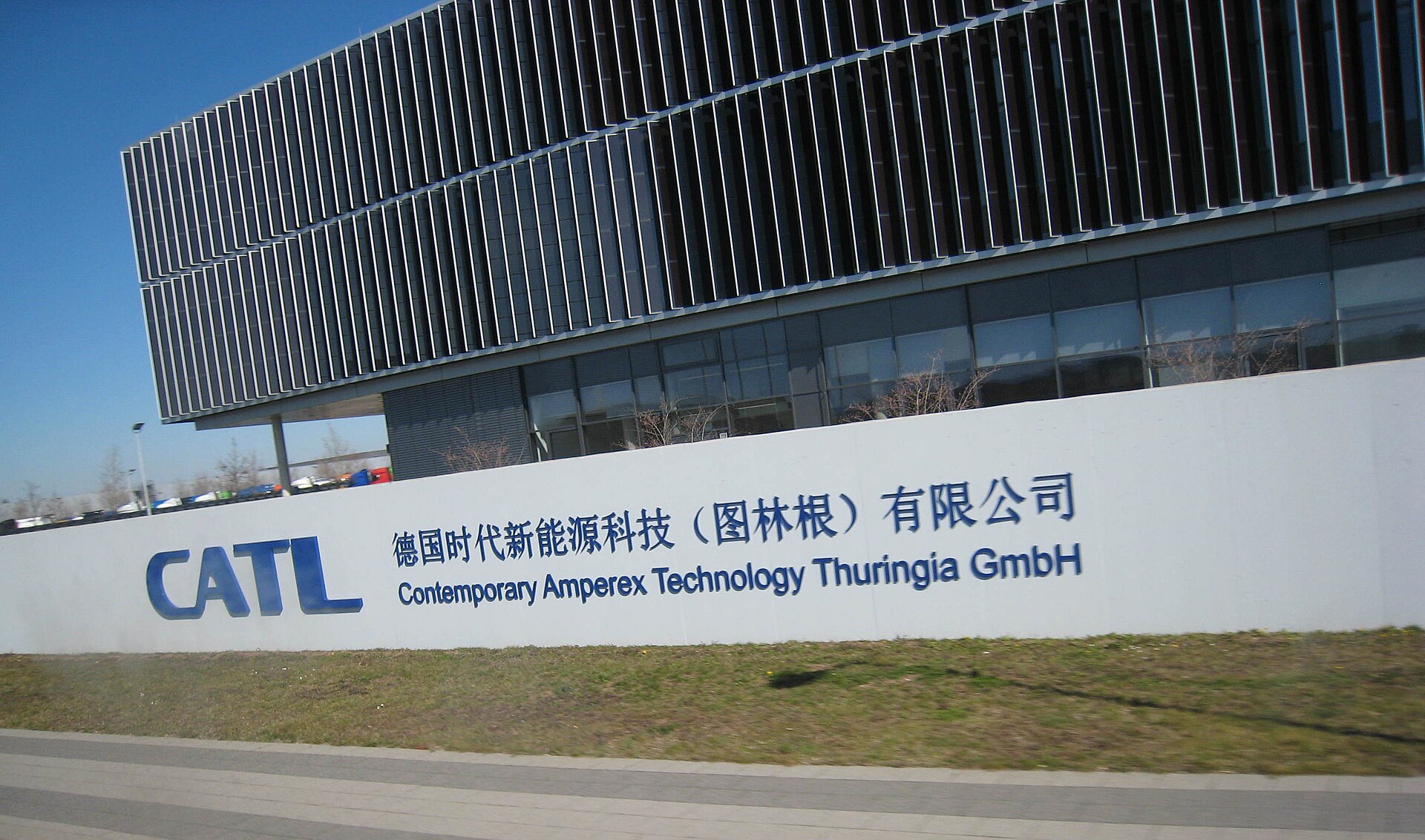
CIBF 2026 in Shenzhen made the message obvious: Chinese cell makers are done with concept theater and are selling the machines that build the factories.
Walking the halls at CIBF this year, the tell was on the equipment alley rather than the cell-maker booths. The CarNewsChina write-up from Shenzhen captures it plainly: coaters, calendering lines, dry-room systems, and battery testing rigs took the floor space that, two years ago, was occupied by transparent demo cells and animated energy-density charts. Battery-Tech's CIBF coverage offers independent corroboration, describing a show floor oriented toward manufacturing equipment, production lines, and export-oriented production stacks.
The Chinese battery industry is selling the means to make cells at scale.
From cell records to line throughput
For several CIBF cycles, headline numbers were Wh/kg and C-rates on prototype pouches. This year, per the CarNewsChina report, booths talked about yield, scrap rate, line uptime, and output per building. CATL has shifted communications toward Shenxing fast-charging LFP volume deployment and begun mass production of its latest-generation LFP cells. BYD anchors its EV strategy on the in-house FinDreams Blade LFP cell, with cell-to-pack vertical integration feeding its own vehicles and external buyers.
Equipment suppliers offer the supporting evidence. CarNewsChina's floor report describes Chinese line-equipment vendors courting overseas customers, with pitches built around turnkey lines and commissioning teams rather than individual machines. Battery-Tech likewise frames the fair as a push to sell complete manufacturing capability abroad.
Compliance is now a product
Another shift on the floor involved regulatory readiness. Vendors pitching production lines abroad increasingly bundle traceability tooling and safety-testing capacity aimed at buyers facing tighter battery content rules in Europe and North America. Customers want compliance baked into the equipment, and Chinese line sellers appear to be productizing that demand.
This is harder to copy than a cell chemistry. A cathode recipe leaks. An entire production stack, with its calibration data and process know-how, does not.
AutonomyEV's opinion
The Western reflex is to count CATL and BYD market share and call it a day. The IEA's Global EV Outlook already documents China's share of global cell output and upstream materials: roughly 80% of global cell production, about 90% of installed cathode active material capacity, and more than 97% of anode active material capacity. CIBF 2026, as reported by CarNewsChina, suggests the moat is widening one layer up. If you want to build cells in Kentucky or Valladolid in 2028, Chinese equipment suppliers and their commissioning engineers are very likely the default option for a working line. Joint ventures with Chinese cell makers remain the shortest path to throughput.
For European and US policymakers, the awkward implication is that tariffs on finished cells do little about this. Leverage sits with the toolmakers, and the toolmakers are exporting factories that already work. That is a harder problem than a price floor on imported packs, and it is the one worth arguing about.

Comments
Closed.
Comments close 30 days after a piece runs. The thread on this one is locked.
Tips and corrections still welcome at tips@autonomy-ev.com.