













EVs Are Mechanically Simple. The Cabin Electronics Are Not.
Drivetrains shed parts. Dashboards added them. Reliability surveys and a new Euro NCAP rule say the cabin is now the failure surface that matters.
Yair Knijn
Founder & editor-in-chief
- reliability
- UX
- software-defined vehicles
- safety
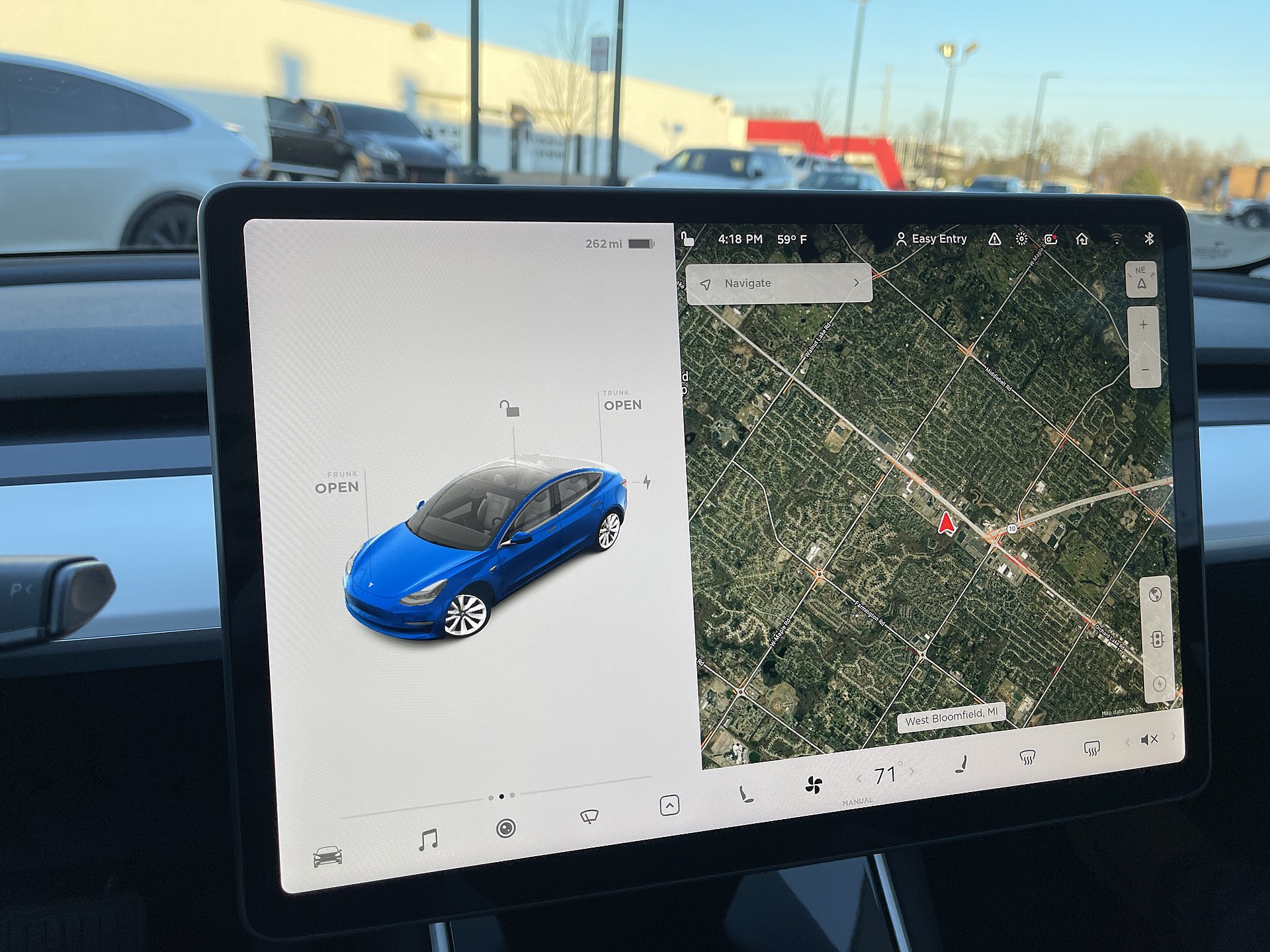
A thread on r/electricvehicles asks a question the industry keeps dodging. EV drivetrains have stripped out gearboxes, exhausts, fuel systems, and most of the wear items that defined a century of car repair. So why are owner reliability scores still sliding? The poster points at motorized air vents controlled from a tablet. That is the right place to look.
The drivetrain won. The dashboard lost.
Consumer Reports' 2024 reliability survey put EVs 42 percent above ICE vehicles for reported problems, with electronics, body hardware, and climate systems doing the damage. The motors and batteries are mostly fine. The screens, door handles, vents, and over-the-air update plumbing are causing the warranty traffic. J.D. Power's 2024 Vehicle Dependability Study, which measures three-year-old cars, came to the same conclusion from a different angle. Infotainment is the number one complaint category, and BEVs report more problems per 100 vehicles than gas cars.
The failure mode is predictable. A 2021 example: NHTSA recall 21V-100 covered 134,951 Tesla Model S and Model X vehicles whose eMMC flash chips wore out from log writes, killing the touchscreen and with it the rearview camera, defroster controls, and turn signal chime. A consumable storage part took out federally mandated safety functions because those functions lived behind a single piece of glass.
Regulators have noticed
Euro NCAP's 2026 protocol update says new vehicles launched from January 2026 will need physical, non-screen controls for turn signals, hazards, wipers, horn, and the SOS function to qualify for a top safety score. Euro NCAP is a rating body without binding authority, yet in Europe the rating drives fleet buyers and insurers, so manufacturers treat it as a rule.
Carmakers are reading the same data. VW design chief Andreas Mindt told Autocar the company will bring back physical buttons for volume, fan speed, temperature, and hazards on every future model, and called the all-touch approach a mistake.
AutonomyEV's opinion
The reliability story for EVs has been told wrong. The propulsion side is genuinely simpler and the field data shows it. The problem is that the saved bill-of-materials budget got spent on motorized vents, capacitive steering buttons, pop-out door handles, and a single SoC that has to render the HVAC UI to defrost the windshield. Every one of those is a part with a duty cycle, a firmware dependency, and a warranty claim. The Tesla eMMC recall is the template for the next decade of EV liability. A five-dollar component takes a safety function offline because the architecture put them on the same bus.
The fix is a discipline question. Safety-relevant controls should sit on a separate failure domain from the infotainment stack, motorized actuators should justify themselves against a fixed louvre, and warranty reserves should reflect the actual repair distribution, which is now electronics-led. Until the cost of a stranded customer shows up on the same spreadsheet as the cost of a stepper motor, the parts count will keep climbing.

Comments
Closed.
Comments close 30 days after a piece runs. The thread on this one is locked.
Tips and corrections still welcome at tips@autonomy-ev.com.