













GM Builds the New Bolt in Batches of 30. That Is the Whole Trick.
The cheapest new EV in America is cheap because Chevy stopped pretending Fairfax was a high-volume assembly line, and started running it like a job shop.
Yair Knijn
Founder & editor-in-chief
- GM
- Chevy Bolt
- manufacturing
- LFP
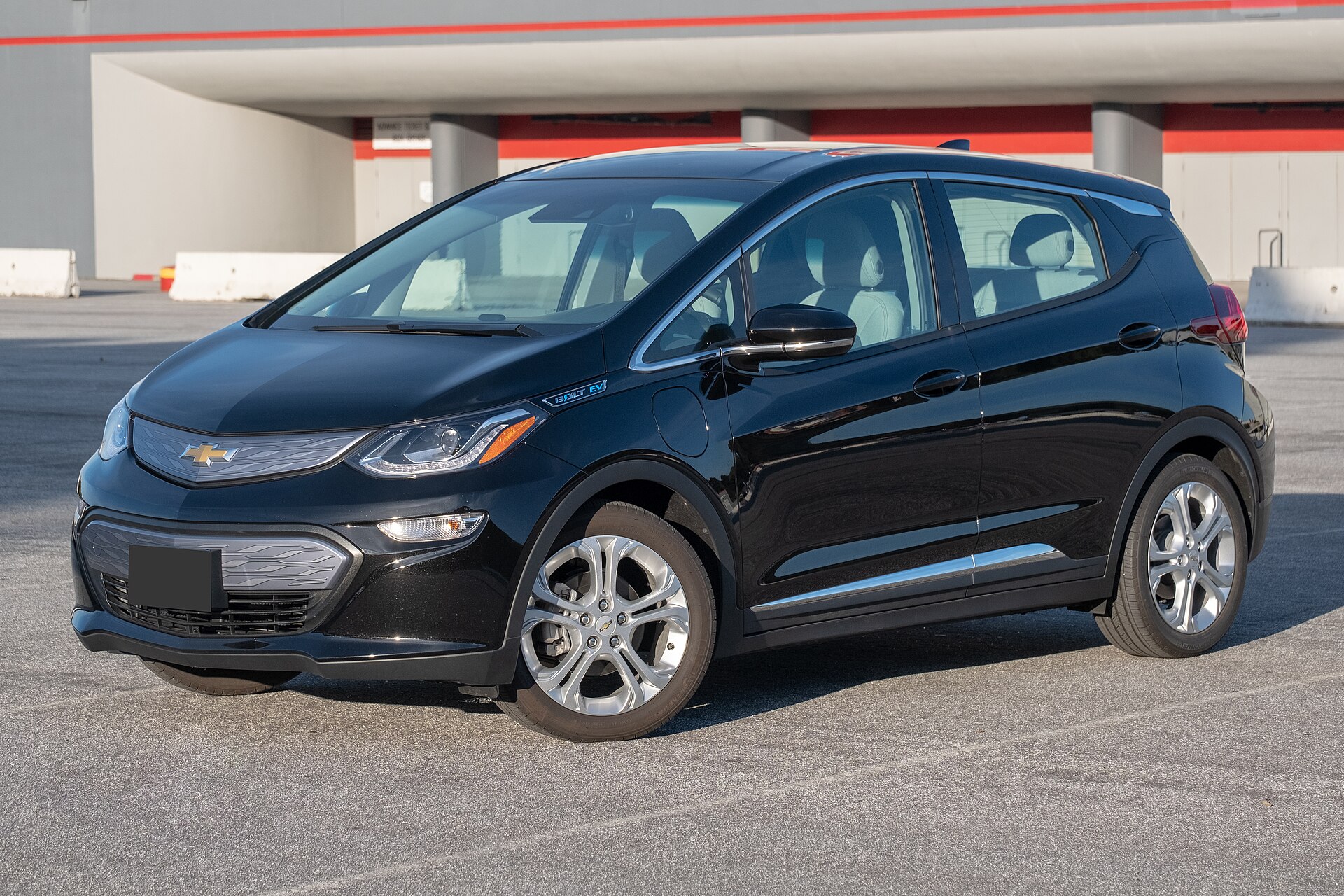
The new Chevy Bolt is the cheapest new EV you can buy in the United States. The reason is not a battery breakthrough or a federal credit. It is a production schedule. InsideEVs reports that GM is running the Bolt down the Fairfax, Kansas line in batches of about 30 cars, then switching the line back to other work. That is the trick.
The batch
Most car plants are built for continuous flow. You amortize tooling, fixtures, and labor across hundreds of thousands of units a year, and your unit cost falls. The catch is that you have to sell those hundreds of thousands of units, every year, forever. If you cannot, the math inverts and each car carries the weight of an underused plant.
GM's answer with the Bolt, according to InsideEVs, is to stop pretending. Fairfax already builds the Cadillac XT4 and is being retooled around the Chevy Equinox and the new Bolt. By running short Bolt batches of about 30 units between other model runs, GM borrows the plant's fixed costs from products with healthier margins and avoids dedicating capacity it does not need. The Bolt rides as a passenger on someone else's overhead.
The other lever is the cells. Reuters reported in July 2023 that Mary Barra confirmed the next Bolt would use lithium iron phosphate chemistry. LFP is cheaper per kWh than the NMC packs in most GM EVs, tolerates full charging, and is the same chemistry Tesla, BYD, and Ford lean on for entry trims. Cheap chemistry plus borrowed capacity is the cost story.
Why this works for Bolt and not for everything
Batch production has a ceiling. Every changeover costs time, fixturing, and quality risk. You can do it for a car that shares a body shop and paint line with its neighbors, which the new Bolt does with the Equinox EV on GM's Ultium-derived hardware. You cannot do it for a model that needs its own stamping dies, its own paint recipe, and its own final-assembly fixtures. The Bolt works as a batch product because GM stopped treating it as a halo program and started treating it as a variant.
The risk is volume. If demand outruns 30-car runs, GM has to either lengthen the batches, which eats into Equinox capacity, or stand up a second site. Neither is free. The current setup is a hedge: GM gets a sub-$30,000 EV on the floor without betting a whole plant on it.
AutonomyEV's opinion
This is the most honest piece of EV manufacturing strategy a legacy automaker has shown in two years. It admits that affordable EVs do not need a dedicated factory, they need a flexible one, and that the cost problem is amortization, not chemistry alone. The interesting question is whether Ford, Stellantis, and Hyundai copy the playbook for their own sub-$30,000 plays, or keep waiting for a greenfield miracle. The batch line works. The hard part is having a second product on the same line that pays the rent.
Source notes
- GM's Secret Trick To Make The Chevy Bolt EV Cheaper: Build Them 30 At A Time, supports: GM is producing the next-generation Chevy Bolt in batches of roughly 30 vehicles at Fairfax Assembly to control cost.
- GM CEO says next-gen Chevy Bolt will use LFP batteries, supports: Mary Barra confirmed in July 2023 that the next Bolt would switch to lithium iron phosphate cells, the chemistry that anchors its low sticker price.


Comments
Closed.
Comments close 30 days after a piece runs. The thread on this one is locked.
Tips and corrections still welcome at tips@autonomy-ev.com.