













Mixed autonomous haul fleets are normal in mining, not in robotaxis
The Reddit clip of driverless dump trucks sharing a site with human operators is not a demo. Mining has been doing this at scale for over a decade.
Yair Knijn
Founder & editor-in-chief
- mining autonomy
- haul trucks
- Komatsu
- Caterpillar
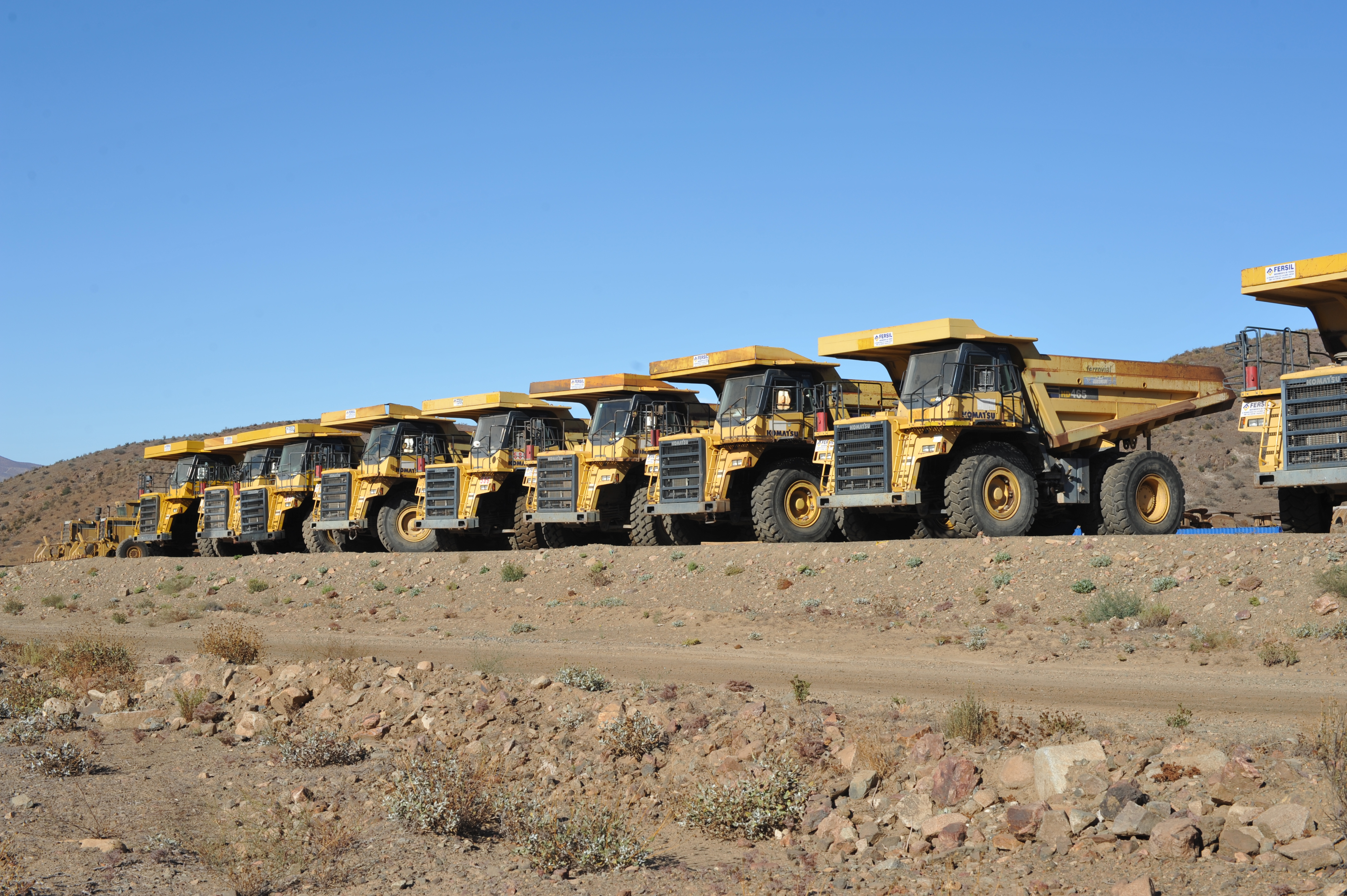
A reader on r/SelfDrivingCars posted a clip of driverless haul trucks moving around an active site with human operators nearby, and asked whether mixed autonomous fleets are actually a daily thing or still a controlled pilot. Short answer: in surface mining, this stopped being a pilot a long time ago. In on-road trucking and robotaxis, it has not.
What's actually in production
Komatsu's FrontRunner Autonomous Haulage System has been running commercially since 2008, first at Codelco's Gabriela Mistral copper mine in Chile and then across iron ore operations in Western Australia. Komatsu's own materials describe a managed fleet running 24/7 alongside manned dozers, graders, water trucks, and light vehicles. Caterpillar's autonomous mining lineup ships the same kind of system on the 793F and 797F trucks, with cumulative tonnage and fleet counts published on the company's site rather than as press teasers.
One of the most visible operators is Rio Tinto in the Pilbara, where the company describes its autonomous haul fleet as a core part of its iron ore operations and says the trucks have moved ore for years. These are not demos. They are line items in quarterly production numbers.
What 'mixed fleet' actually means here
When the Reddit poster says the site looked coordinated, that is the part that took the longest to build. A mine fleet management system, typically Modular Mining's Dispatch for Komatsu sites or Cat MineStar Fleet, schedules every truck cycle, assigns loaders, and tracks every light vehicle with a transponder. Human-driven trucks, dozers, and pickups carry the same telemetry as the autonomous units, so the central system treats them as obstacles with known trajectories rather than surprises. The trucks themselves use a mix of GNSS, IMU, perception sensors, and a high-precision site map that is updated as benches and ramps change.
This is the boring reason mining cracked autonomy before the road did. The operating domain is a fenced private site, every other vehicle is instrumented and rule-bound, weather is mostly dust and rain, and the regulator under MSHA treats the equipment as industrial machinery rather than a passenger vehicle.
AutonomyEV's opinion
It is reasonable to look at a Pilbara site and ask why on-road trucking still struggles. The honest answer is that mining solved a different problem. There is no public traffic, no unmodeled pedestrians, no cyclist edge cases, and the speed envelope is well under 60 km/h. Vendors who pitch mining autonomy as a proof point for highway Class 8 trucks are skipping the parts that actually fail in open traffic. The clip the reader saw is real and common. It is also a different problem from a robotaxi on a city street, and conflating the two has cost investors money for ten years running.

Comments
Closed.
Comments close 30 days after a piece runs. The thread on this one is locked.
Tips and corrections still welcome at tips@autonomy-ev.com.