













Mobileye's Meteor and the boring truth about the long tail
Mobileye says it can mine millions of driving hours for the edge cases that actually matter. The harder question is whether targeted training closes the gap to driverless.
Yair Knijn
Founder & editor-in-chief
- mobileye
- long-tail
- training-data
- robotaxi
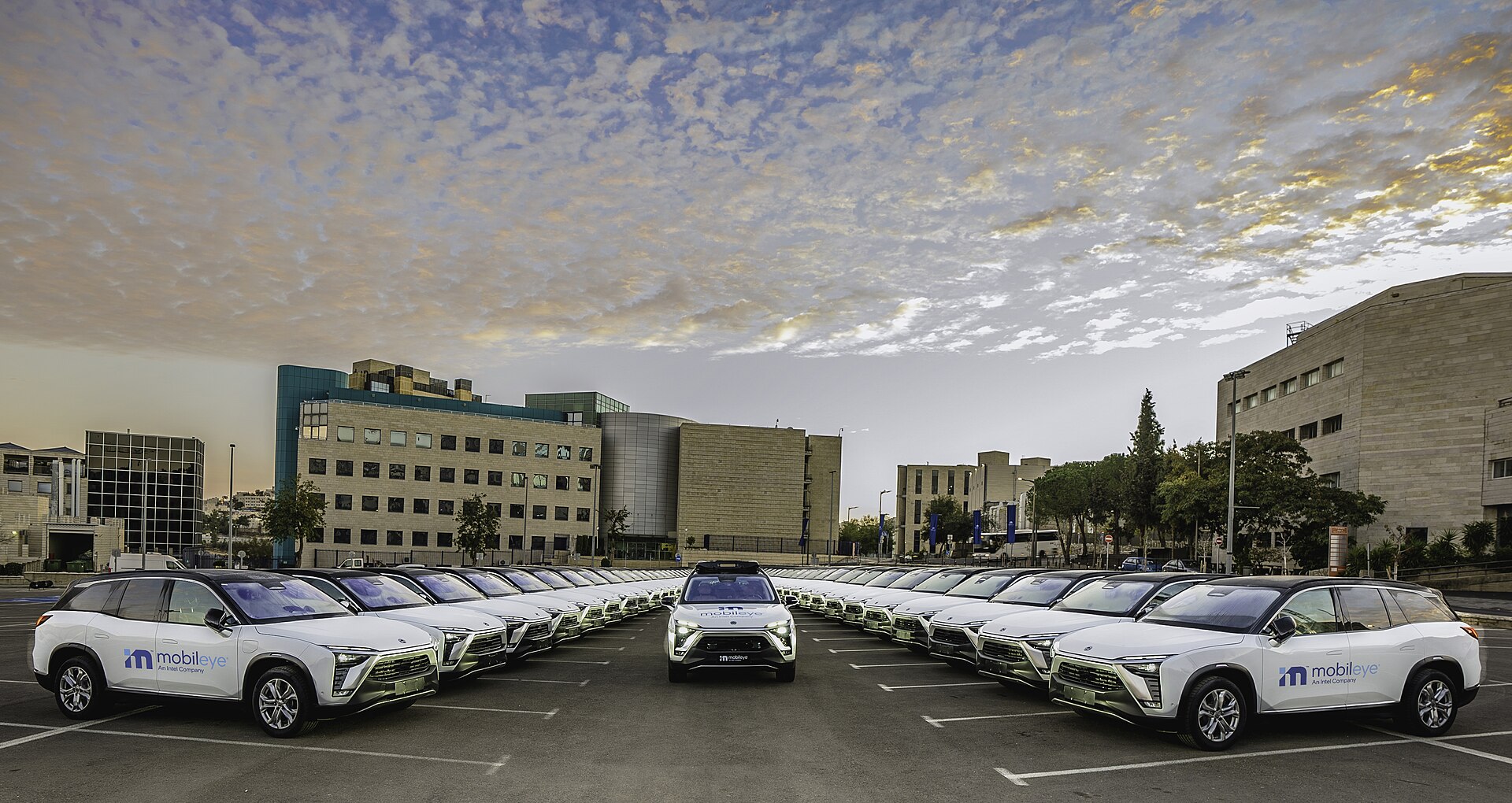
Mobileye published a blog this week called Diagnosing the long tail: how Mobileye turns edge cases into targeted training, and it is worth reading past the marketing. The pitch is a system called Meteor, a multi-agent data analyst that sits on top of Mobileye's fleet video, uses vision-language model embeddings, and runs automated reasoning to surface scenarios engineers actually need to retrain on. The explicit framing matters: Meteor is not built to chase black swans. It is built to find repeatable edge cases that show up often enough across geographies to be worth fixing.
That is the honest version of the long tail problem. Most disengagements and near-misses are not freak events. They are the same handful of awkward situations repeated in slightly different lighting, geometry, and traffic mix. If you can cluster them, you can train against them. If you can only retell them as anecdotes, you cannot.
What Mobileye is actually claiming
Mobileye has been describing its data advantage for years. The Q1 2025 shareholder letter again leans on REM, the crowdsourced mapping and telemetry layer running on production EyeQ chips in millions of consumer vehicles. Meteor is the analytics layer on top of that pipe. The blog describes embeddings that let an engineer query the corpus in natural language, then have agents cluster matching clips, propose causes, and route them to a training set.
The useful claim here is throughput. Human triage of dashcam-style video does not scale past a few hundred clips per analyst per day. If VLM embeddings genuinely reduce that to a query and a review pass, the bottleneck moves from labeling to deciding what to ask. The unproven claim is whether the agents propose the right causes without a human in the loop. Mobileye does not show error rates in the post.
Why this matters for robotaxi economics
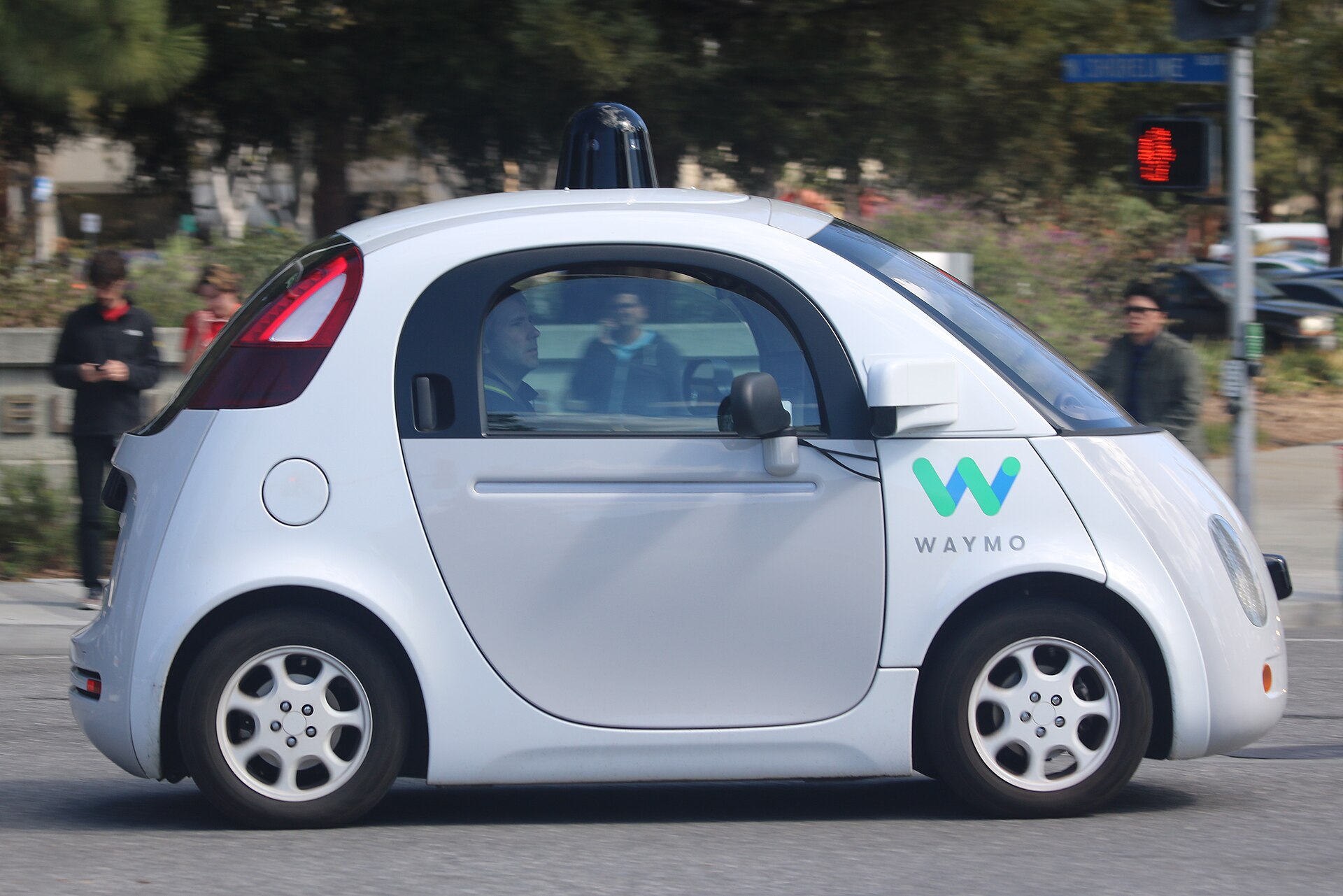
The companies actually running driverless services publish numbers that pin down what "good enough" looks like. Waymo's Safety Hub reports per-mile crash and injury rates against human benchmarks for its Phoenix, San Francisco, and Los Angeles operations. On the regulator side, NHTSA's Standing General Order forces ADAS and ADS operators to file crash reports, which is how we know which failure modes keep repeating across fleets. The recall of Tesla's FSD Beta in 23V-838 named specific scenarios, intersections, posted speed limits, lane changes from turn-only lanes, that the system handled unsafely. Those are long-tail clusters by another name.
That is the context Meteor lands in. Mobileye is not yet operating a driverless service at Waymo's scale. It is selling the picks and shovels to automakers that want to, and to its own Chauffeur and Drive programs. A data system that reliably converts fleet video into targeted training matters more than another architecture diagram.
AutonomyEV's opinion
The interesting tell in the Mobileye post is the refusal to promise black swan coverage. That is the right framing. No vendor closes the tail by waiting for a single freak crash and writing a heuristic. They close it by finding the twentieth, fiftieth, and two-hundredth instance of the same awkward unprotected left and training against the cluster.
What we want to see next from Mobileye is numbers. How many clusters per week does Meteor surface that lead to a measurable change in shadow-mode performance? What is the false-positive rate on the agents' proposed causes? Until those land, this is a credible architecture story, not yet evidence that the long tail is shrinking faster than competitors can drive past it.


Comments
Closed.
Comments close 30 days after a piece runs. The thread on this one is locked.
Tips and corrections still welcome at tips@autonomy-ev.com.