













Neighborhood Batteries Start Pulling EV Chargers Into the Stack
Community-scale storage is moving from a rooftop-solar buffer into something that can host curbside fast charging, if utilities let it work that way.
Yair Knijn
Founder & editor-in-chief
- community battery
- ev charging
- solar
- grid
What the proposal actually says
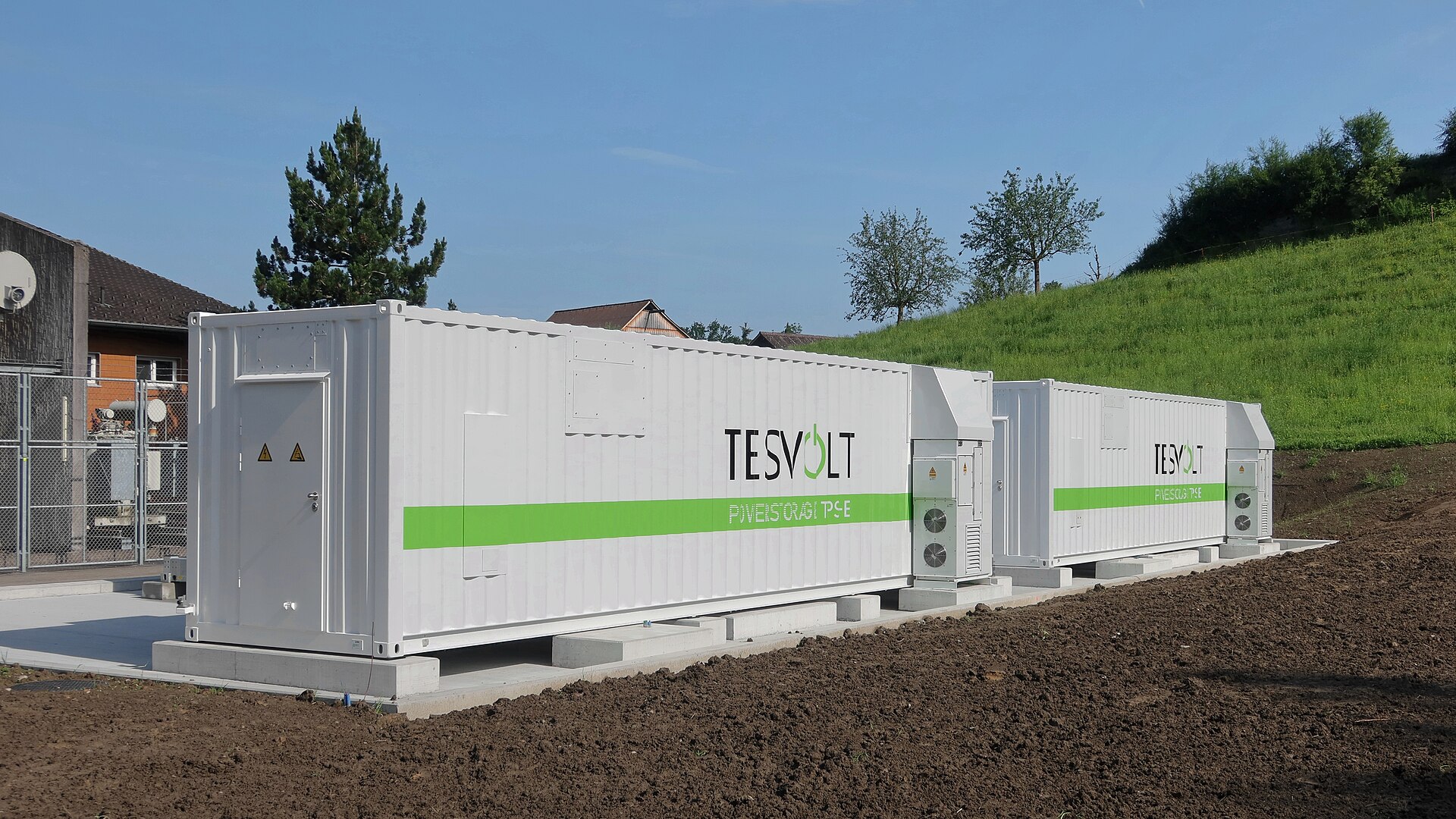
The CleanTechnica piece walks through a simple architecture. Take community solar, which already lets renters and apartment residents buy a slice of a local array, and add a shared battery sized for the block. Then bolt EV chargers onto the same connection point. The pitch is that the battery soaks up midday solar that would otherwise be curtailed or exported at low value, then discharges into cars or homes in the evening peak.
The idea is not new. What is new is treating the EV charger as a first-class load on the community battery rather than an afterthought wired into the street main.
Where this is running now
Australia is the live lab. The federal Community Batteries for Household Solar Program, administered through ARENA, is co-funding more than 370 neighborhood-scale units. Ausgrid has pole-mounted and pad-mounted units across Sydney and bills them as a way to defer distribution upgrades. The Yarra Energy Foundation's Fitzroy North battery, a 110 kW / 285 kWh unit, has been pulling surplus rooftop solar off the local low-voltage feeder since 2022.
None of those Australian deployments was designed primarily to feed EV chargers. The chargers are a load the utility tolerates rather than one the battery is sized for. CleanTechnica's framing flips that order.
The US picture is thinner. The Department of Energy's community solar guidance describes subscriber economics for shared arrays but says little about co-located storage, and almost nothing about public charging at the same point of common coupling. Most US community solar projects sell kilowatt-hours into the grid and let drivers charge wherever.
AutonomyEV's opinion
The physics here are fine. A 200 to 500 kWh battery on a residential feeder can absorb a few rooftops worth of midday solar and discharge a 50 kW DC charger for an hour or two in the evening. That is roughly one Tesla Model Y filled from 20 to 80 percent, or three or four AC overnight sessions. Useful for a block of apartments with no garage. Not useful as a highway corridor solution, and CleanTechnica does not claim it is.
The blocker is regulatory, not technical. In most US states the entity that owns the solar subscription, the entity that owns the battery, and the entity that sells charging sessions cannot legally be the same without tripping utility-of-record rules. Australia got around this by letting distribution network operators own the batteries directly and treat them as grid assets. The US would need either a similar carve-out or a third-party aggregator model that regulators have been slow to approve.
Until that is sorted, expect pilots in cities with municipal utilities, and very little elsewhere.

Comments
Closed.
Comments close 30 days after a piece runs. The thread on this one is locked.
Tips and corrections still welcome at tips@autonomy-ev.com.