













Renting With a Leaf: The Honest Math on Public-Only Charging
A Reddit renter asked whether a Nissan Leaf works without a home plug. The answer is mostly about your local charger map, not the car.
Yair Knijn
Founder & editor-in-chief
- ev
- charging
- nissan-leaf
- renters
The question
A renter on r/electricvehicles asked the basic question: can you own a Nissan Leaf without a home plug, and how long would you have to sit at a public charger to make it work? The thread is split between people who do it and people who tried and gave up. The honest answer tracks your local charger map more than any single car's spec sheet, because what sits within ten minutes of your apartment matters more than kilowatts on paper.
What the car actually is
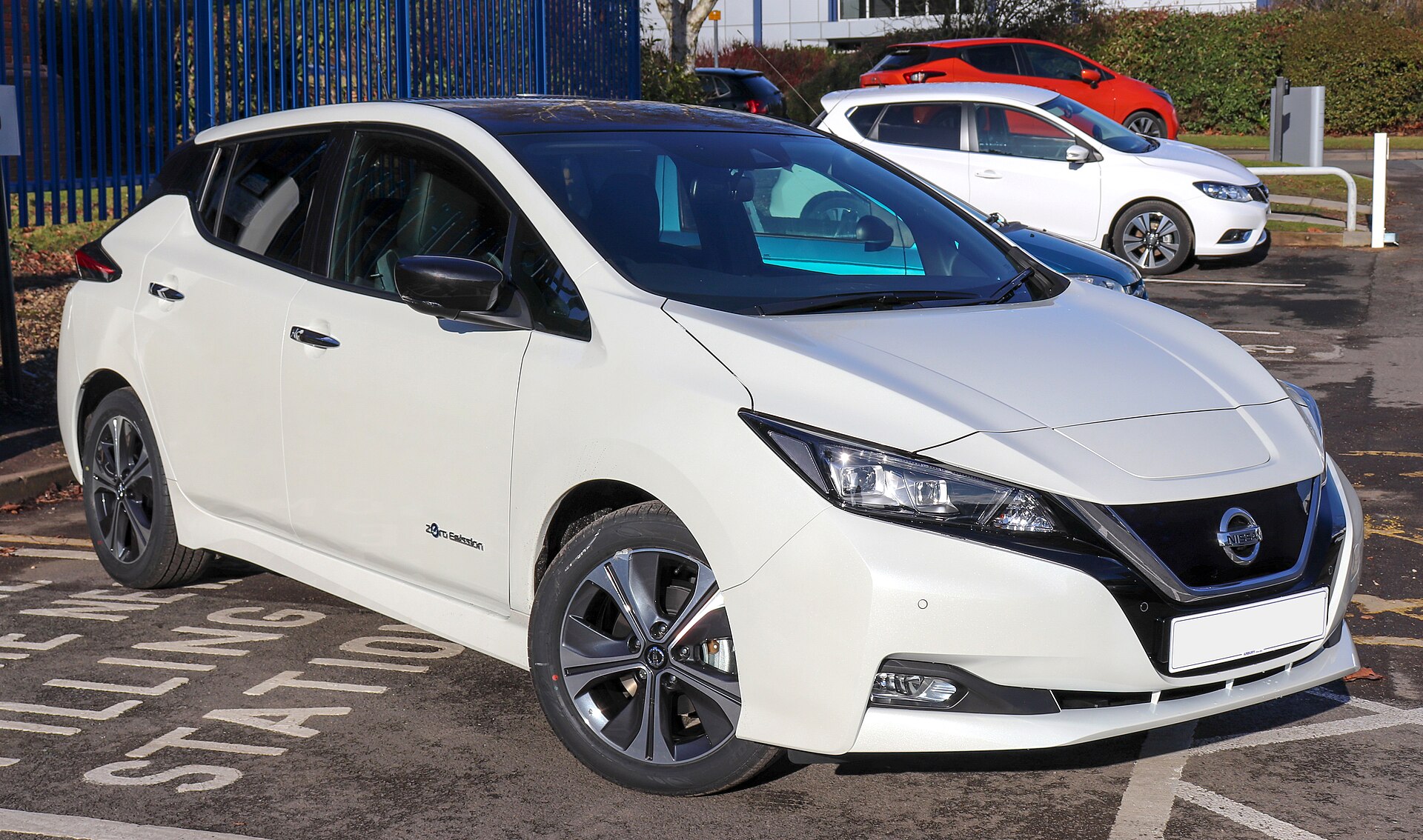
Nissan's redesigned 2026 Leaf is a different charging animal from the used models a budget renter is likely to find. The new car drops CHAdeMO and uses NACS for DC fast charging at up to roughly 150 kW, with native Tesla Supercharger access, plus J1772 for AC. That is the right connector direction for a public-only driver shopping new.
The used market tells a harder story. Leafs built from 2011 through 2025 still rely on CHAdeMO for DC fast charging. CCS and NACS have become the practical standards at new US DC sites, and the CHAdeMO installed base is older and thinner than what CCS or NACS drivers see. AutonomyEV has not found a current Nissan technical document that pins down a precise 80% fast-charge time for older Leafs in minutes, and owner reports vary widely depending on battery temperature and state of charge, so we are not going to quote a number we cannot back.
What we will say plainly: a public-only owner shopping used is making two bets at once. The first bet is on the car. The second, larger bet is on whether the nearest CHAdeMO stall is reliably online when they need it.
The cost question
Public DC fast charging in the US is meaningfully more expensive per kWh than home electricity in most markets, and pay-as-you-go rates vary by network, location, time of day, and membership tier. Industry cost surveys for 2026 put the typical gap at roughly two to three times home rates, with home charging often landing around $0.15 to $0.20 per kWh against public DC fast charging closer to $0.45 to $0.50 per kWh. The directional point is the one any renter can verify in five minutes: pull up the pricing screen for the DC network nearest your address and compare it to the per-kWh line on your most recent power bill. If the public number sits in that two-to-three-times range above your home rate, that gap is your monthly cost of not having a plug.
AutonomyEV's opinion
This section is opinion, not reporting.
If you rent and have no Level 2 access at home or work, a used Leaf is the wrong used EV to buy in 2026. The connector is the core problem. Every other mainstream EV sold new in the US is on CCS or moving to NACS, which means new DC stalls and new automaker partnerships are pointed away from CHAdeMO. A used Chevrolet Bolt or Bolt EUV on CCS will give a public-only driver a denser and younger fast-charge network to work with, as will a Hyundai Kona Electric from the same era.
The higher-leverage move, before picking any EV, is the conversation with the landlord. A 240V outlet at a deeded parking spot, installed at the renter's expense and left behind at move-out, is a small capital project that changes which cars are realistic to own. That conversation is worth having before the car shopping starts, because the answer determines the shortlist. If the landlord says no, the right response is probably to skip the used Leaf, and probably to wait on an EV until your charging options improve.

Comments
Closed.
Comments close 30 days after a piece runs. The thread on this one is locked.
Tips and corrections still welcome at tips@autonomy-ev.com.