













Sodium-ion's end-of-life problem nobody is funding yet
Cheap sodium cells are arriving fast, the chemistry is safer than lithium, and the recycling economics already look broken before the first wave even retires.
Yair Knijn
Founder & editor-in-chief
- sodium-ion
- recycling
- battery-policy
- eu
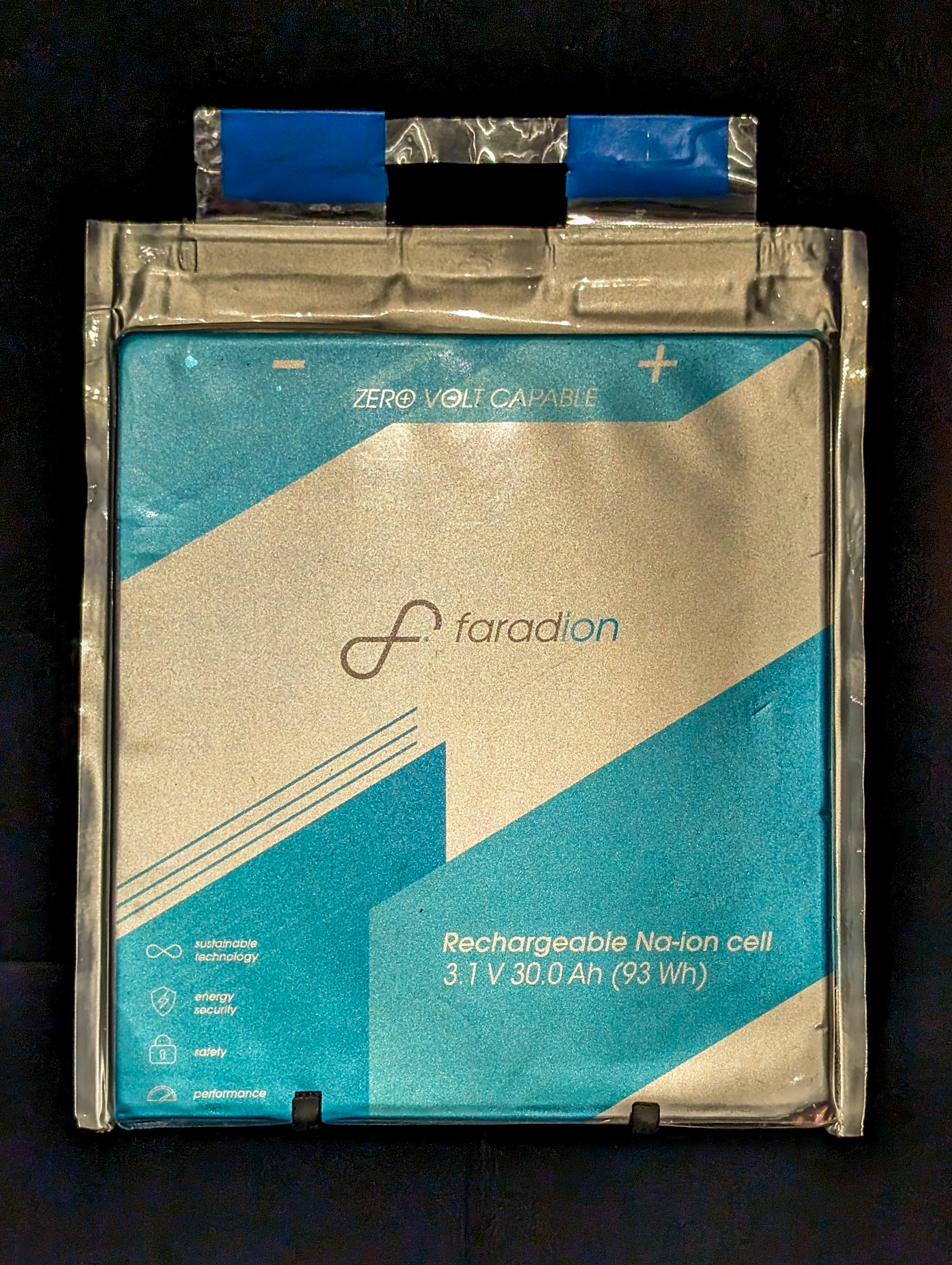
A reader on r/electricvehicles asked a question the industry has been avoiding: when sodium-ion packs hit end-of-life at very low pack costs, who pays to recycle them, and what stops a charged cell in a landfill from shorting and igniting trash? The answer right now is that almost nobody has a funded plan, and the volumes are arriving faster than the rules.
The economics are already upside down
Lithium-ion recycling works, barely, because cobalt, nickel, and lithium carbonate have salvage value. Sodium-ion strips most of that out. The cathodes use sodium, iron, manganese, and in some chemistries Prussian blue analogues. The anode is typically hard carbon. None of those command the prices that make a hydrometallurgical line pencil out. BloombergNEF's 2024 survey put lithium-ion pack prices at $115/kWh, and sodium-ion needs to undercut that meaningfully to win anything beyond niche stationary work. Cheaper input materials mean cheaper recovered materials, which means the recycler's margin compresses from both ends.
The production side is real, or was. CATL launched its first generation in 2021 and has been seeding hybrid packs in low-cost Chinese EVs, a milestone independently reported at the time. Natron Energy started commercial-scale production in Michigan in 2024 aimed at data center backup. Given typical 8 to 10 year service lives on grid and entry-level EV duty, the first material wave of retired packs from these lines should land toward the end of this decade, though that is an estimate, not a sourced forecast.
Policy is written for lithium
Regulation (EU) 2023/1542 is the most advanced framework on paper. It sets collection targets, a digital battery passport from 2027 for EV and industrial batteries above 2 kWh, and material-specific recovery rates for lithium, cobalt, nickel, copper, and lead. Sodium is not on that list. The full regulation text does allow the Commission to update recovery targets and material scope by delegated act, so the omission is fixable without reopening the law. Producers will still owe extended producer responsibility fees, and waste batteries cannot go to landfill or incineration, so the legal floor exists in Europe. What does not exist today is a recovery target that forces a recycler to actually pull sodium back out of a cell. Without one, the cheapest compliant path is shredding for steel and aluminum and landfilling the black mass as inert waste, assuming the regulator agrees it is inert.
In the US it is worse. EPA guidance on used lithium-ion cells leans on the universal waste rule and RCRA, with further detail in the agency's recycling FAQ. There is no federal guidance specific to sodium-ion. State rules will fill the gap unevenly, the way they did for lithium for a decade.
The fire risk is smaller, not zero
Sodium-ion cells can be shipped at 0% state of charge, which is the single biggest safety advantage over lithium. That helps transport and storage. It does not help the curbside bin, where cells arrive at whatever SOC the user left them at, can be crushed, and can short across the steel can. Lower energy density means smaller fires. Smaller fires in a baler still stop a recycling line for a shift.
AutonomyEV's opinion
The honest near-term plan is that most retired sodium-ion cells will be shredded for ferrous and aluminum scrap and the rest landfilled where law allows. That is fine for a few years and untenable at scale. Two things would change the trajectory: adding sodium and hard carbon to the EU recovery-rate list via the delegated-act path already written into 2023/1542, and forcing 0% SOC discharge as a condition of collection so the fire argument goes away. Both are cheap to legislate and expensive to retrofit later. Waiting for the volumes to arrive first is the lithium playbook, and it cost a decade.

Comments
Closed.
Comments close 30 days after a piece runs. The thread on this one is locked.
Tips and corrections still welcome at tips@autonomy-ev.com.