













The Garage Is The Real EV Onboarding Problem
A used Model Y buyer's first job is not a road trip. It is clearing space to reach a 220-volt outlet, and that says plenty about home charging in 2026.
Yair Knijn
Founder & editor-in-chief
- home-charging
- level-2
- model-y
- ownership
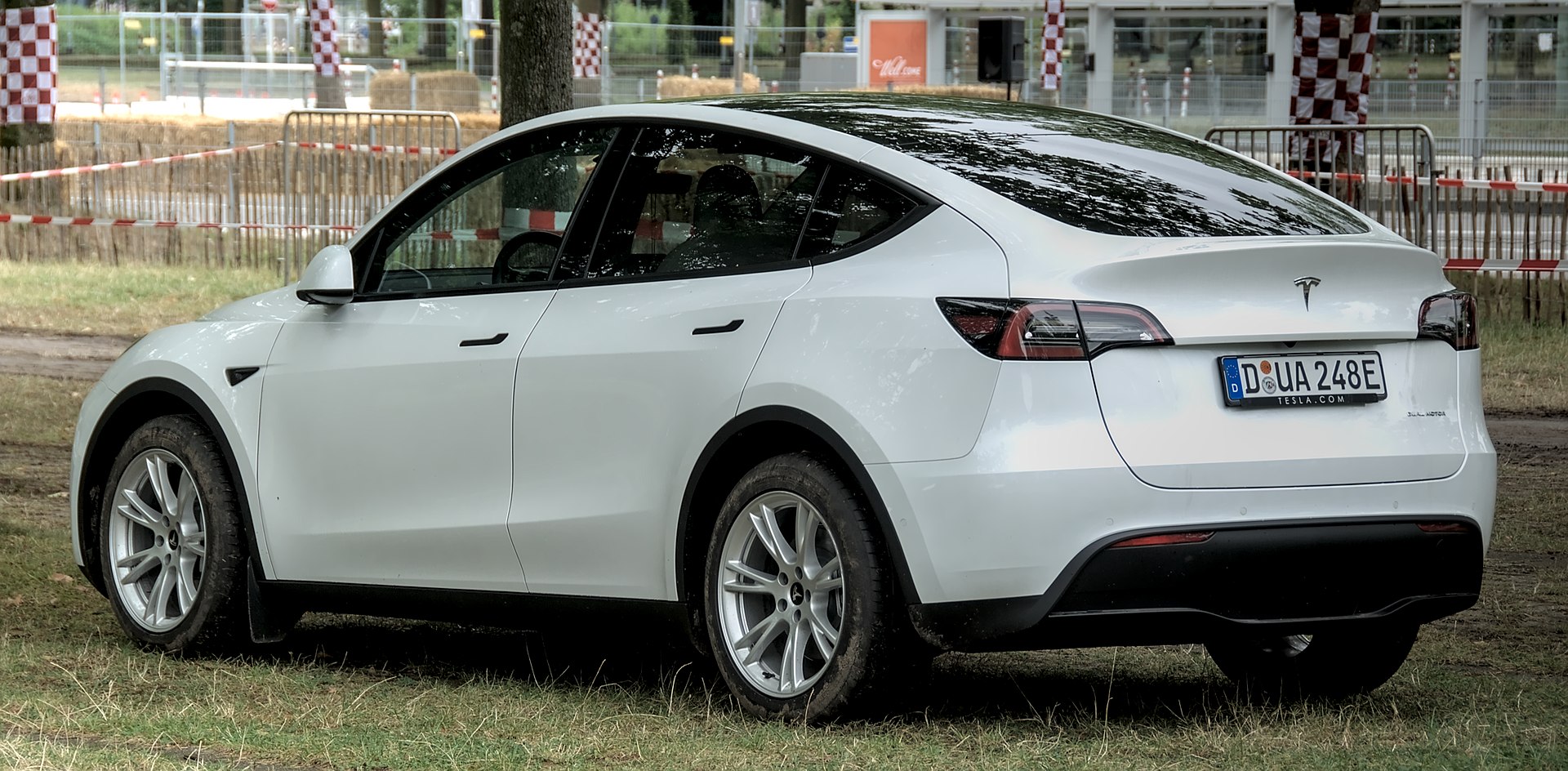
A buyer on r/ElectricVehicles picked up a used Model Y, drove it home, and found the 220-volt line he needs sitting behind years of garage clutter. The dealer had lost the charging cable. Account setup turned into its own slog. What actually stalled him was simpler: the car could not reach the outlet, and the outlet could not move to the car.
That is the EV onboarding story almost nobody puts in the brochure.
Level 1 is real, until it isn't
The fallback in the post, running an extension cord to a 120-volt outlet, works on paper. The Department of Energy's Alternative Fuels Data Center puts Level 1 charging at roughly 2 to 5 miles of range per hour on a standard household circuit. For a commuter doing 30 miles a day, overnight charging can close the gap. For a household that uses a Model Y the way most owners do, with weekend trips and the occasional airport run on top of the commute, the math gets thin fast.
Then there is the cord itself. Tesla's Mobile Connector ships with the 120-volt NEMA 5-15 adapter in the box and sells the 240-volt NEMA 14-50 adapter separately. If the dealer lost the cable, the owner is buying both before Level 1 is even an option, and manufacturers tell owners to avoid random hardware-store extension cords for EV charging. People use them anyway. It is a fire risk that gets ignored because the alternative is cleaning the garage.
The 240V outlet is the actual car feature
Once you can reach the 240-volt line, the experience changes. AFDC puts Level 2 charging at 10 to 20 miles of range per hour, the speed at which charging stops feeling like a project and starts feeling invisible. A permanently mounted Level 2 unit turns the daily top-up into something the owner never thinks about, while a portable cord set on a 120-volt outlet keeps the car perpetually behind.
That pattern matters at fleet scale too. The Joint Office 2030 National Charging Network analysis, drawing on NREL modeling, projects that home and private charging will dominate light-duty EV charging through 2030, with roughly 26.8 million private Level 1 and Level 2 ports accounting for about 96% of all charging ports. For most owners, most of the time, the garage outlet is the charging network.
AutonomyEV's opinion
Automakers and dealers keep selling the car and waving at the charging step. They should stop treating that as someone else's problem. A used-EV transaction that hands over the keys without a working portable connector and without a confirmed 240-volt circuit is an incomplete sale. The Reddit poster will clean the garage and be fine. Plenty of first-time EV buyers in the same spot quietly decide the car is a hassle, sell it within a year, and tell their friends the technology is not ready. The technology is ready. The handoff is not.
If you are buying used, price in an electrician visit before you price in the car. If you are a dealer moving used EVs, put a Level 2 readiness checklist on the desk next to the keys. It is the cheapest customer retention tool you have.

Comments
Closed.
Comments close 30 days after a piece runs. The thread on this one is locked.
Tips and corrections still welcome at tips@autonomy-ev.com.