













London Cabbies vs Waymo and Wayve: The 60 Minutes Read
A network TV segment lined up The Knowledge against two very different self-driving stacks, and the real contrast is sharper than the soundbites suggest.
Yair Knijn
Founder & editor-in-chief
- wayve
- waymo
- robotaxi
- uk
What the segment actually showed
The 60 Minutes report put London black cab drivers, who pass the city's Knowledge exam, alongside two robotaxi programs with opposite engineering philosophies. A CBS News writeup of the segment frames the same contrast: memorized city knowledge against AI that either maps every block or learns to drive without one. The television framing was familiar, human craft against machine. The interesting part sits underneath that framing.
Wayve and Waymo are running different plays
Wayve is headquartered in London and builds an end-to-end neural network that maps sensor input to driving actions without HD maps or hand-coded driving rules. In May 2024 the company announced a Series C round of about $1.05 billion led by SoftBank, with NVIDIA and Microsoft participating.
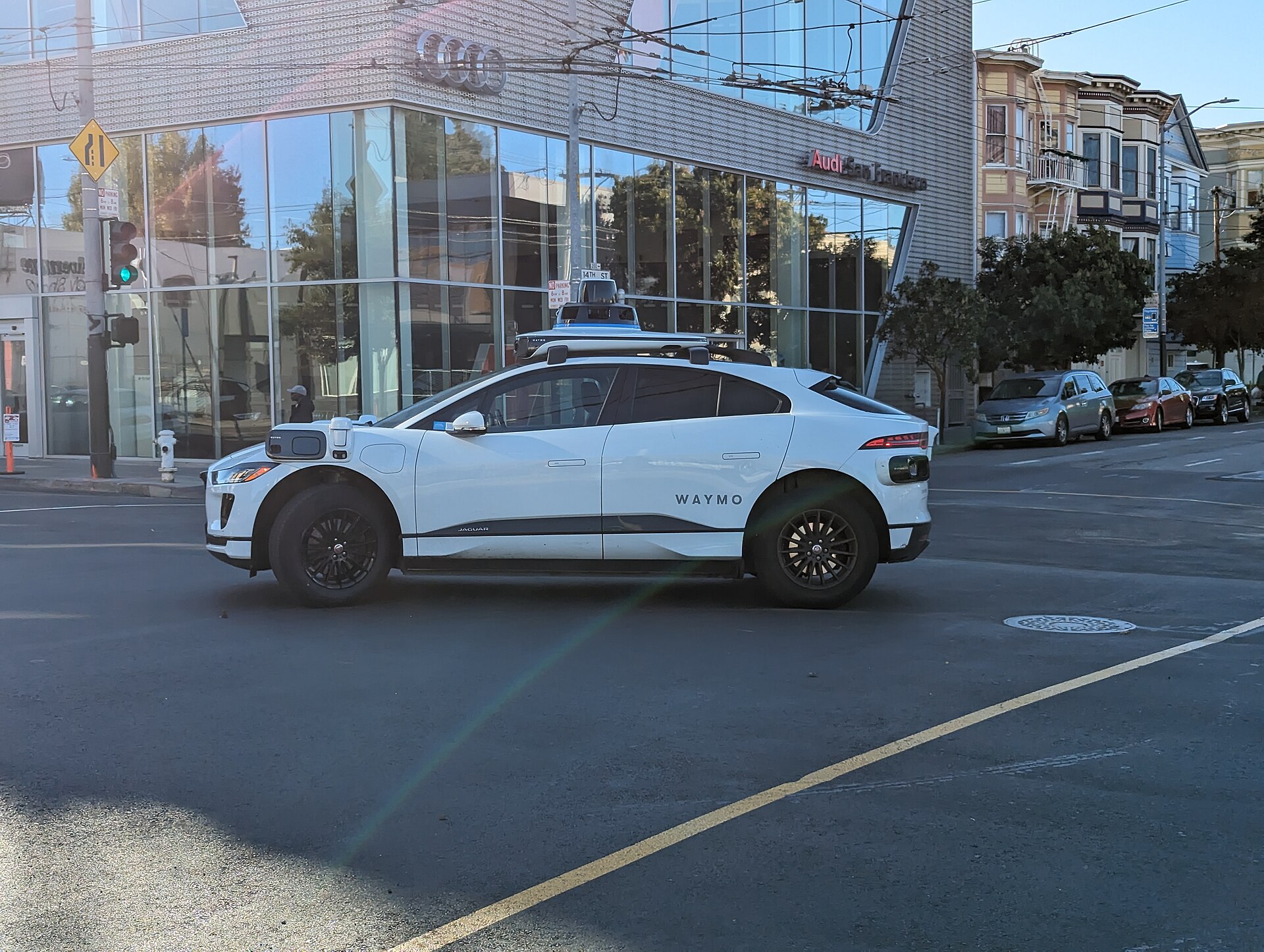
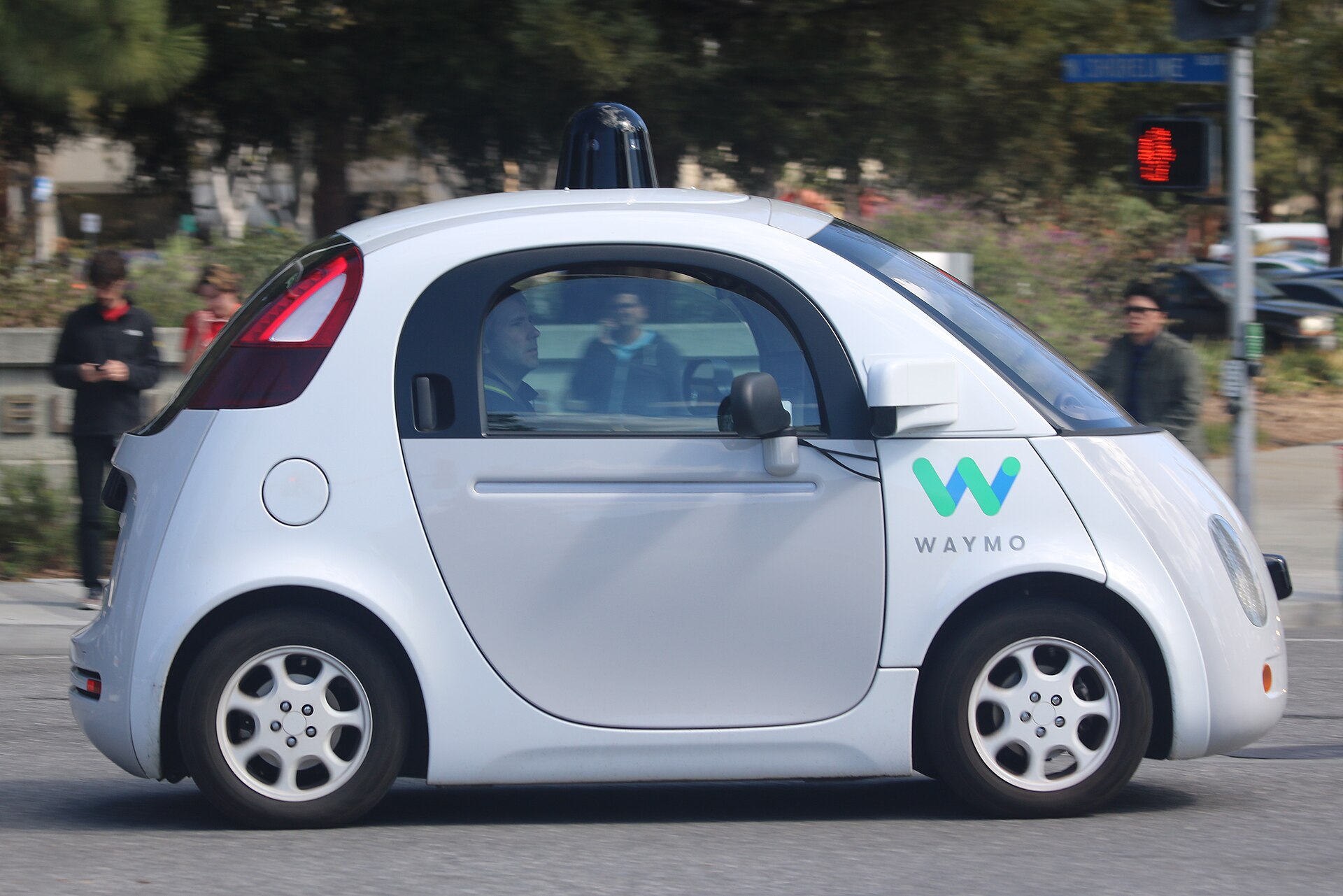
Waymo runs a sensor-heavy stack with lidar, radar, cameras, and detailed prior maps. It operates paid driverless rides in several US cities and reports cumulative miles and incident data through its safety hub. Geofenced, mapped, deliberate expansion.
End-to-end against modular-with-maps is the real fault line. One side bets on data scale and generalization. The other bets on bounded operational design domains and verifiable behavior in each city.
The London regulatory question
Wayve can test on London streets under existing UK trial frameworks, but commercial driverless service needs a new regime. The Automated Vehicles Act 2024 received Royal Assent in May 2024 and sets out the authorization path for self-driving vehicles in Great Britain. Secondary legislation and the authorization scheme under that Act, rather than a cabbie's stopwatch, will decide when paid driverless rides happen in London.
AutonomyEV's opinion
The Knowledge is impressive and largely irrelevant to the safety case. Cab drivers route well, but human drivers also crash, get tired, and miss pedestrians. The honest comparison is between two AV approaches, and a network TV crew cannot adjudicate it from a back seat.
Wayve's pitch is that an end-to-end model trained on enough varied driving will generalize to any city without bespoke mapping. That claim is unproven at the level of a paid, unsupervised commercial service. Waymo has proven the opposite claim in public: a heavily instrumented, geofenced stack can carry passengers without a safety driver today, in multiple US metros, with mileage data behind it.
If Wayve scales, London becomes a test bed for a model that ports to other dense European cities cheaply. If it does not, Waymo's playbook arrives in London eventually, with maps and lidar and a slower rollout. The axis that matters here is map-and-sensor heavy against learned-and-light. We will know which wins from miles-per-intervention numbers, rather than from a television segment.


Comments
Closed.
Comments close 30 days after a piece runs. The thread on this one is locked.
Tips and corrections still welcome at tips@autonomy-ev.com.