













The Driver-Seat Question Is the Only Question That Matters
Either a human is legally responsible for the car in real time, or the company is. Everything else in the autonomy debate follows from that one line.
Yair Knijn
Founder & editor-in-chief
- robotaxi
- regulation
- liability
- waymo
The line that splits the industry
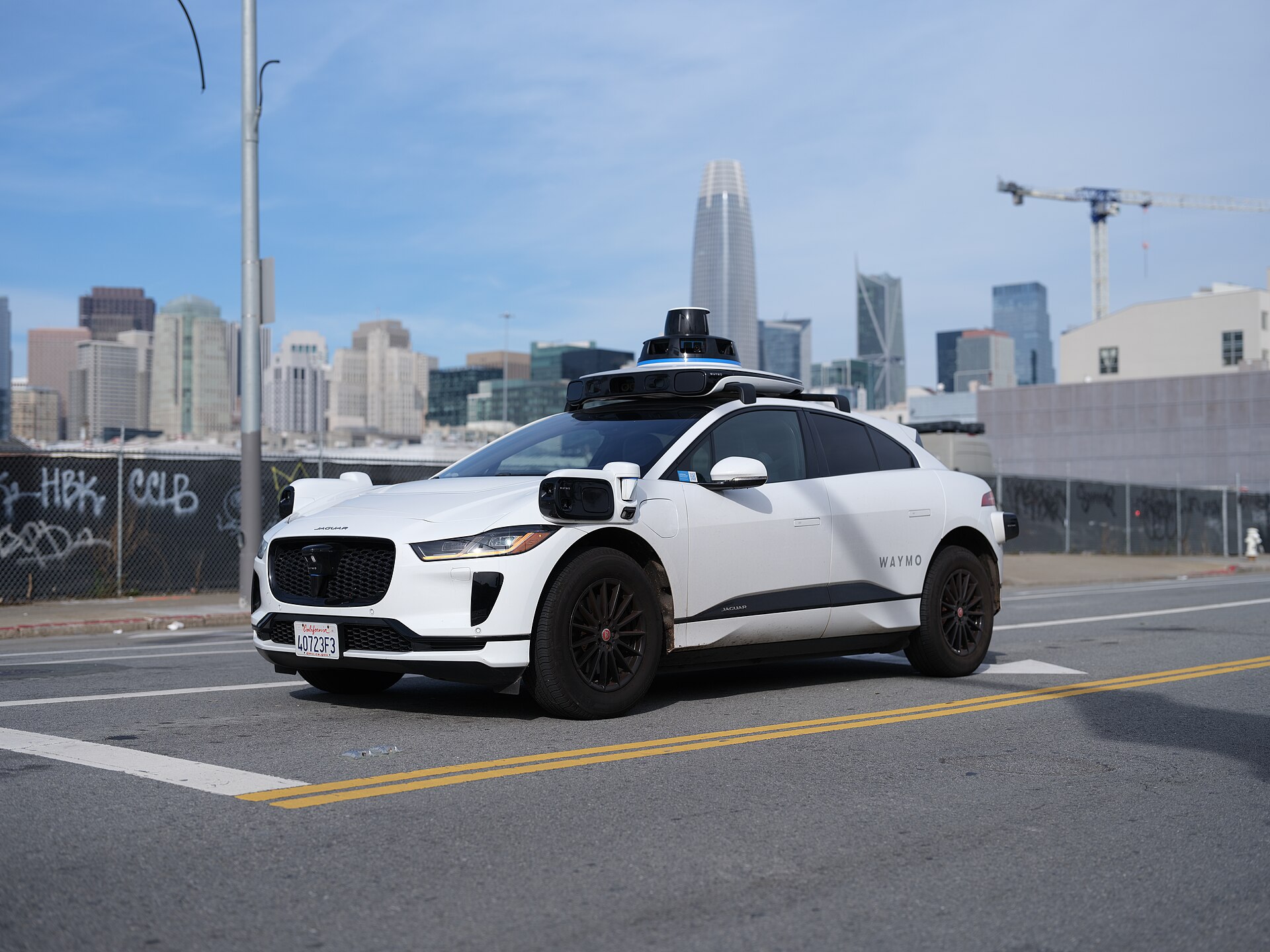
The argument over self-driving has too many adjectives and not enough nouns. AutonomyEV put it plainly this week: the only question that decides whether a vehicle is autonomous is whether the human in the seat is legally on the hook when something goes wrong. If yes, it is a driver-assist system, regardless of the marketing. If no, the operator carries the liability and the engineering bill that comes with it.
Regulators draw the line the same way. The SAE J3016 taxonomy that NHTSA and most agencies reference puts Levels 0 through 2 with the human driver and Levels 3 and up with the system during its operating window. The seat question is the cleanest test of which side a product sits on, and it is the question buyers, insurers, and city councils should ask first.
Where each player actually sits
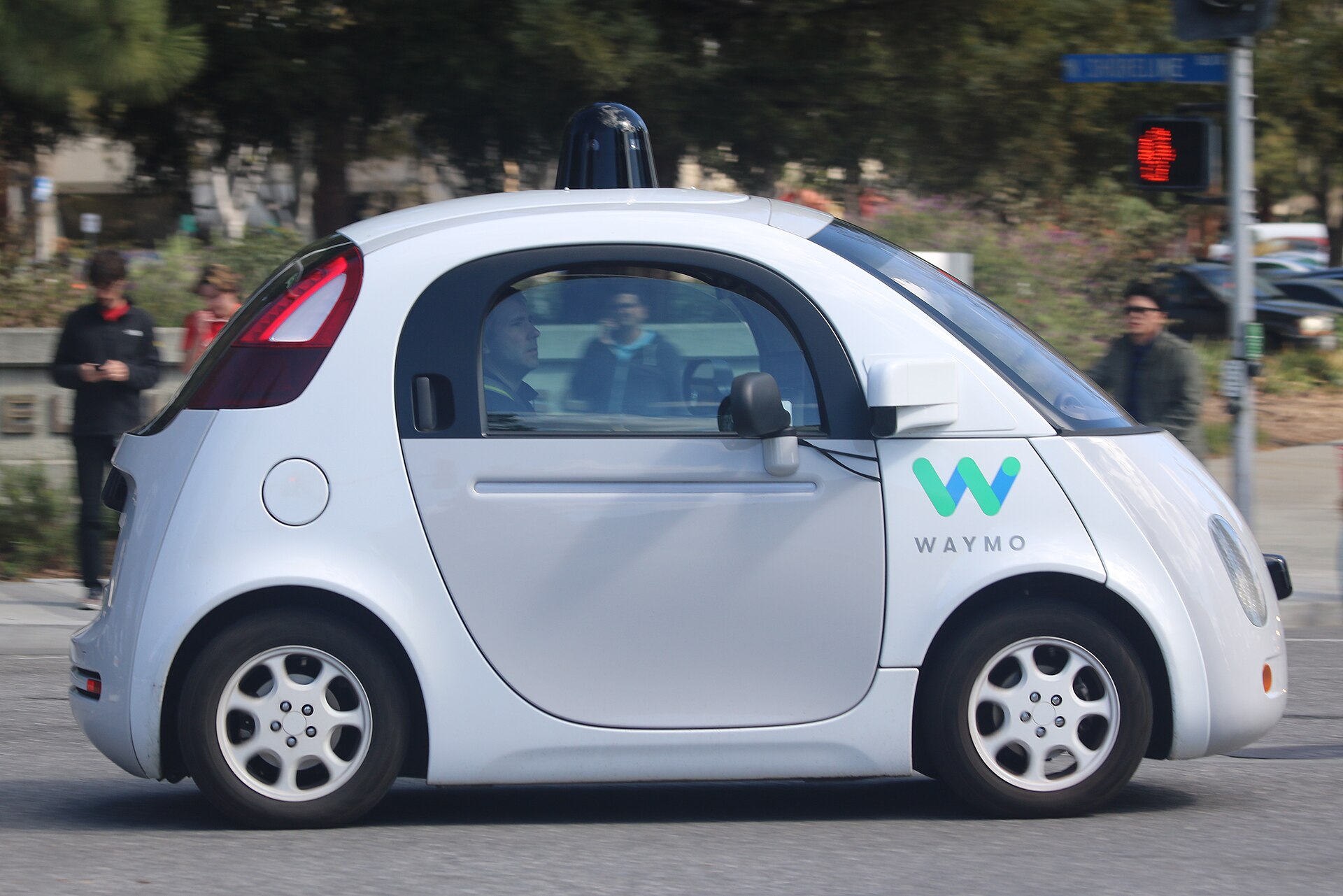
Waymo runs fully driverless rides in Phoenix, San Francisco, Los Angeles, and Austin, with nobody in the front seat. The company reports crashes under the NHTSA Standing General Order and lists incidents on its public safety hub. Liability sits with Waymo, and it has the depot footprint, remote operations staff, and insurance posture to match.
Tesla's Austin pilot, as AutonomyEV walks through in the primary piece, still puts a Tesla employee in the vehicle as a safety monitor. That is closer to a supervised demonstration than a driverless service. Tesla's consumer FSD product remains a Level 2 driver-assist under the same NHTSA Standing General Order reporting regime, which treats those crashes as ADAS events with a human driver on the hook.
Mercedes-Benz Drive Pilot is the only Level 3 system certified for US public roads, in Nevada and California, and only inside a narrow envelope on mapped highways behind another vehicle. Inside that envelope, Mercedes accepts responsibility for the driving task. Outside it, the human does. The seat is occupied either way, but the legal owner of the dynamic driving task shifts with conditions.
Cruise sat on the other end of this spectrum. After the October 2023 pedestrian drag incident, the California DMV suspended its driverless permits, citing misrepresentation of safety information. GM wound the unit down a year later.
Why the language games matter
Calling a Level 2 system Full Self-Driving or Autopilot blurs the seat question on purpose. The car still needs a driver, the driver is still liable, and the data collected under NHTSA's Standing General Order treats those events as driver-assist crashes. When a Waymo hits something, Waymo is the defendant. When a Tesla on FSD hits something, the human in the seat is.
AutonomyEV's opinion
The seat test is also a capital test. A company that takes the human out of the seat has to insure the fleet, staff a remote ops center, build a depot network, and write checks when its software is wrong. That cost structure is why driverless services scale slowly and why most of the industry has retreated to driver-assist with a marketing layer on top. The honest read of the current market is that one fleet operates fully driverless at city scale in the US (Waymo), one operates Level 3 inside a tight envelope (Mercedes Drive Pilot), and the rest are driver-assist products sold with more confidence than the seat allows. Investors and regulators should ask one question first: who is in the seat, and who pays if the car is wrong.

Comments
Closed.
Comments close 30 days after a piece runs. The thread on this one is locked.
Tips and corrections still welcome at tips@autonomy-ev.com.