













Waymo Hits 11 Cities and 1,400 Square Miles Before World Cup
Waymo is racing to cover more ground in US host markets ahead of the 2026 World Cup, but its coverage maps still leave the hardest trips uncovered.
Yair Knijn
Founder & editor-in-chief
- waymo
- robotaxi
- world-cup
- expansion
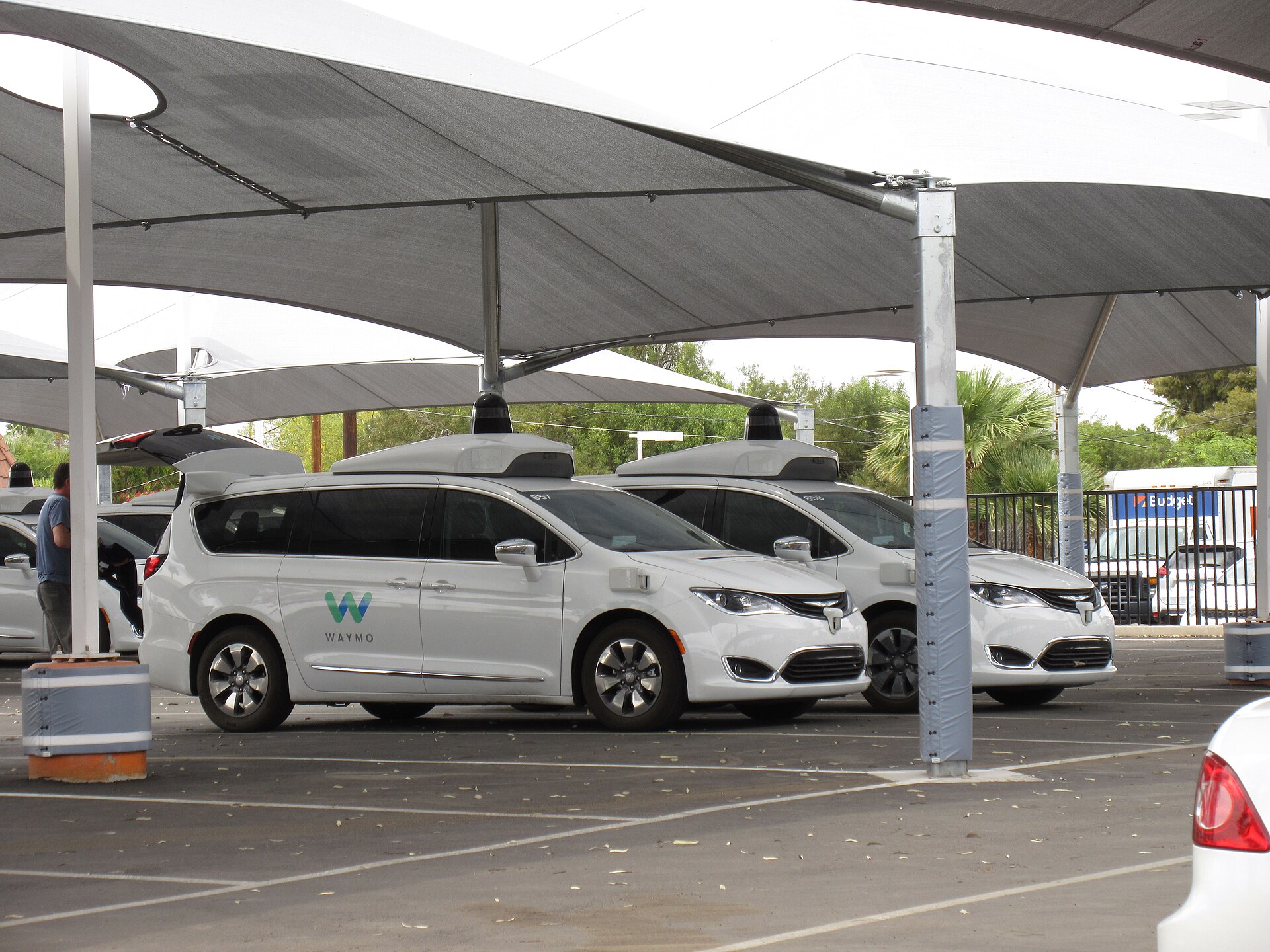
Waymo entered the spring with a marketing line worth checking against a map. CleanTechnica tallies 11 cities and about 1,400 square miles of coverage, a footprint Electrek puts at more than 20% larger than the prior network and bigger than Rhode Island. Waymo's own May 13 post frames the expansion as match-ready for the World Cup across six US host cities. The timing is deliberate. The 2026 World Cup spans 16 host cities, 11 in the United States, and Waymo would like to be the default ride in as many of those markets as the map allows.
What the map actually covers
The square-mileage figure is the one to watch, because it includes a lot of low-density suburb that pads the total without adding many trips. Waymo's six-city World Cup framing is narrower than a casual overlap with the full US host list might suggest. Commercial service sits in Los Angeles, the San Francisco Bay Area, Miami, Atlanta, and Seattle. Dallas and Houston reach riders through Waymo's Uber partnership rather than a standalone Waymo app in every case. New York/New Jersey, Boston, Philadelphia, and Kansas City are outside the commercial robotaxi network today. Mexico City, Guadalajara, Monterrey, Toronto, and Vancouver are absent entirely.
That split matters for fans more than it does for Waymo's press release. Read generously, the map touches most US host cities while skipping New York, where dense traffic, jaywalking, and curbside chaos would test the stack in ways Phoenix never has. Waymo's own language stops at six host cities, which is the more defensible claim.
The airport problem
World Cup traffic is airport traffic. Waymo Help lists airport pickups at Phoenix Sky Harbor, San Francisco International, San Jose, and San Antonio. LAX, Atlanta, Miami, and Seattle host-city airports are still off the list. SFO illustrates how partial that coverage can be. TechCrunch reported public service to and from SFO starting January 29, 2026, but only at the rental car center, not the terminals. A robotaxi that cannot reliably take a visitor from the gate area to a hotel is a robotaxi many visitors will skip. Uber dispatch in Austin, Atlanta, and the Texas metros papers over some of this, since the rider sees an Uber app and may not care which vehicle arrives. Waymo's brand-level reach still runs narrower than the headline mileage suggests.
AutonomyEV's opinion
The 11-city, 1,400-square-mile line is a real operational milestone and worth respecting. Waymo is the only US operator running at this scale with the kind of incident disclosure it publishes on its safety hub. The World Cup framing is more fragile. Tournament demand is spiky, concentrated around stadiums and airports at predictable hours, and intolerant of geofence edges where a ride simply ends. If Waymo wants the World Cup to be a marquee event rather than a stress test, the work between now and kickoff is airport coverage and stadium-adjacent zones in LA, the Bay, Miami, Atlanta, and Seattle. Square miles in the suburbs will not move that needle.
The quieter story is what is missing. No New York, no Boston, no Mexico, no Canada. The biggest sporting event in the world is also, for Waymo, a map of the trips it still cannot do.


Comments
Closed.
Comments close 30 days after a piece runs. The thread on this one is locked.
Tips and corrections still welcome at tips@autonomy-ev.com.