













Waymo's Scale Makes Remote-Support Metrics Worth Asking For
An opinionated transparency checklist for the next phase of robotaxi operations: how often human help is requested, and how fast it arrives.
Yair Knijn
Founder & editor-in-chief
- robotaxi
- remote ops
- safety
- waymo
The missing operating number
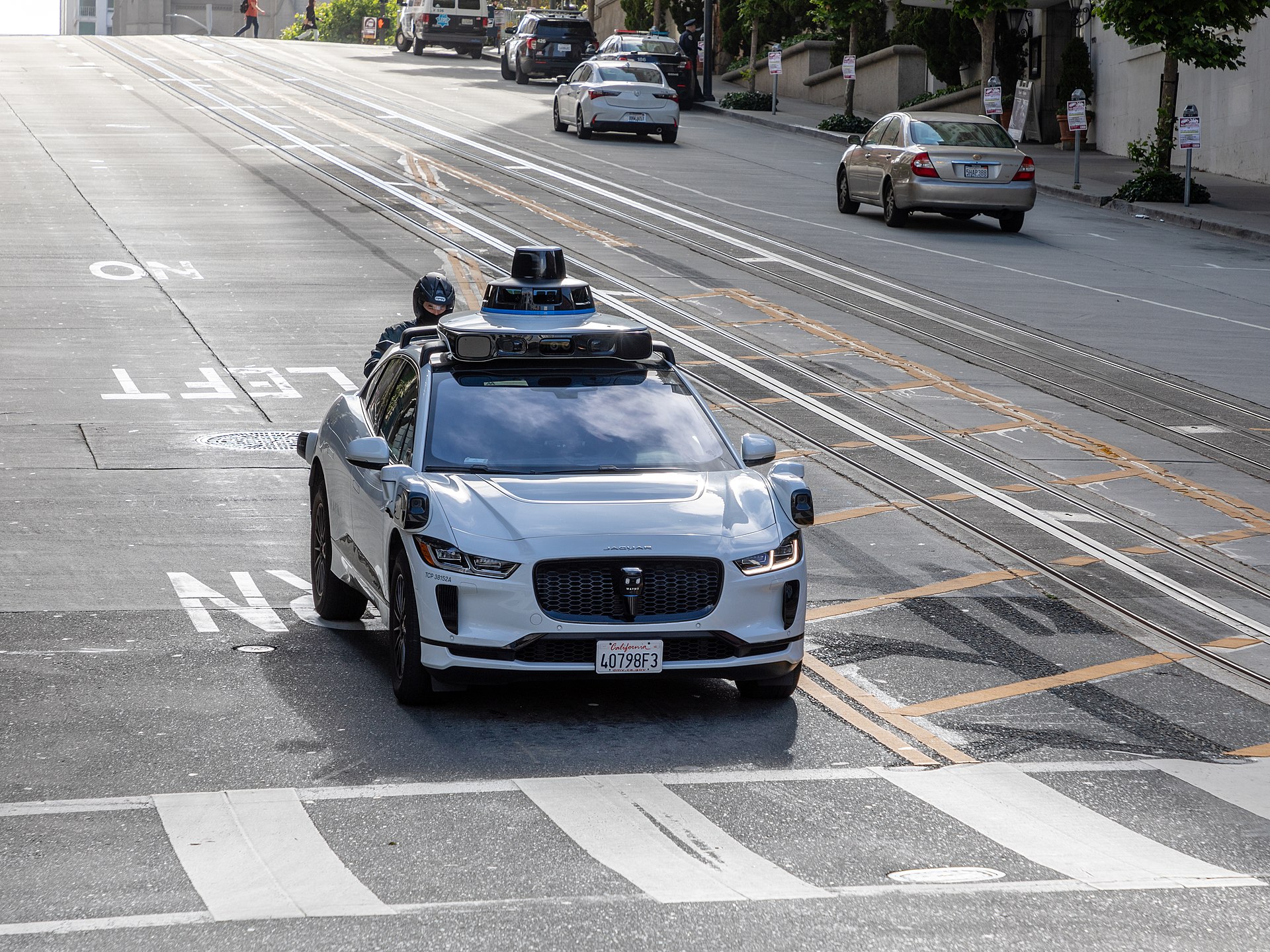
Waymo's public scale is now big enough that the next useful debate should be operational, not only technical. CNBC reported in April 2025 that Waymo was delivering more than 250,000 paid robotaxi rides per week in the United States. My question from that number is narrow: how often does the fleet ask humans for help, and how quickly does that help arrive?
Waymo is the cleanest example because it has explained the design. In its own Fleet Response description, Waymo says remote agents do not joystick the car. They provide contextual information when the vehicle asks for help, such as whether a lane is blocked or how to understand an unusual scene. That distinction matters. The vehicle still drives. The human is an input to the autonomous system, not the driver.
That does not prove the human layer is too large, too small or unsafe. It does show that remote support is part of the product architecture. For a service operating at hundreds of thousands of paid rides per week, I want to see that layer measured in the same plain language as uptime or response time.
Public incident data is necessary but incomplete
The public record has improved. NHTSA's Standing General Order requires certain crashes involving automated driving systems and Level 2 driver assistance systems to be reported. California publishes autonomous-vehicle collision reports and annual disengagement reports from permit holders. Those systems are useful because they turn some incidents into documents instead of anecdotes.
They are still not the same thing as live operating metrics. NHTSA's public data dictionary is focused on crash-report fields such as incident details, road conditions, crash scene details, injuries and vehicle information. Based on those fields, I would not treat the SGO data as a service-level report on remote-assistance response time, support queues, field dispatches or non-crash events that were resolved before becoming reportable incidents.
The city-operations concern is not theoretical. In a January 2023 CPUC protest, San Francisco transportation agencies said unplanned autonomous-vehicle stops had blocked traffic, transit and emergency response, and they asked for stronger data reporting and more incremental expansion. In a June 2023 data-workshop deck, San Francisco agencies also pushed for richer AV passenger-service data standards. Those are official signals that cities want operational visibility, not only crash summaries.
AutonomyEV's opinion
Here is my transparency test, not an industry standard and not a claim about current legal requirements: I would like operators to publish a small set of operational safety metrics without exposing the internals of the driving stack. The useful list would include remote-assistance requests per 1,000 trips, median and 95th-percentile response time, field-response dispatches per 10,000 trips, stuck-vehicle events by city, and the share of support events resolved without blocking traffic.
Those numbers would make the autonomy debate less performative. A company with strong automation could show that human help is rare and fast. A company still leaning heavily on operations staff would be easier to evaluate on evidence rather than vibes.
For now, the useful position is skepticism without panic. The sourced facts are simple: Waymo says Fleet Response provides context rather than remote driving; CNBC reported Waymo's paid weekly rides above 250,000; NHTSA and California already publish some incident data; San Francisco agencies have asked for stronger operational reporting. My opinion is that those facts point to the next transparency frontier: whether the car can drive safely and how the service behaves when the edge cases arrive.
Source notes
- Waymo, Fleet response: Lending a helpful hand to Waymo's autonomously driven vehicles, supports: Waymo says Fleet Response agents give contextual information to the autonomous system rather than remotely driving the vehicle.
- CNBC, Waymo reports 250,000 paid robotaxi rides per week in U.S., supports: Waymo reported more than 250,000 paid robotaxi rides per week in the United States in April 2025.
- NHTSA, Standing General Order on Crash Reporting for ADS and Level 2 ADAS, supports: NHTSA requires certain crashes involving automated driving systems and Level 2 driver assistance systems to be reported under its Standing General Order.
- California DMV, Autonomous Vehicle Collision Reports, supports: California publishes autonomous vehicle collision reports, giving public visibility into incidents reported by permit holders.
- California DMV, Autonomous Vehicle Disengagement Reports, supports: California publishes annual disengagement reports from autonomous-vehicle permit holders.
- NHTSA, Standing General Order 2021-01 Data Element Definitions, supports: NHTSA's public data dictionary describes crash-report fields rather than live service-level remote-assistance metrics.
- SFMTA/SFCTA, Cruise Tier 2 Advice Letter Protest, supports: San Francisco agencies told the CPUC that unplanned autonomous-vehicle stops had blocked traffic, transit and emergency response, and asked for stronger data reporting.
- SFCTA, Regulating AV Passenger Service in California data workshop slides, supports: San Francisco transportation agencies proposed more detailed AV passenger-service data standards.



Comments
Closed.
Comments close 30 days after a piece runs. The thread on this one is locked.
Tips and corrections still welcome at tips@autonomy-ev.com.